
Naihehe Cave Village Etiquette On The Tour: Sevusevu, Kava And What To Wear
Naihehe Cave sits on village land, and the village asks visitors to arrive through an old courtesy: sevusevu at the home of the priest, a taste of kava, and a sulu for ladies. Here is what the operator and the Fiji Times actually say about each step.
Short answer
Before entering Naihehe Cave, visitors join sevusevu, a kava ceremony, at the home of the village priest, the cave's spiritual caretaker, and seek his blessing. Entry to the cave involves the sevusevu, a kava custom presented to the village priest. Optional gifts are appreciated, never required, and tipping is at your discretion.
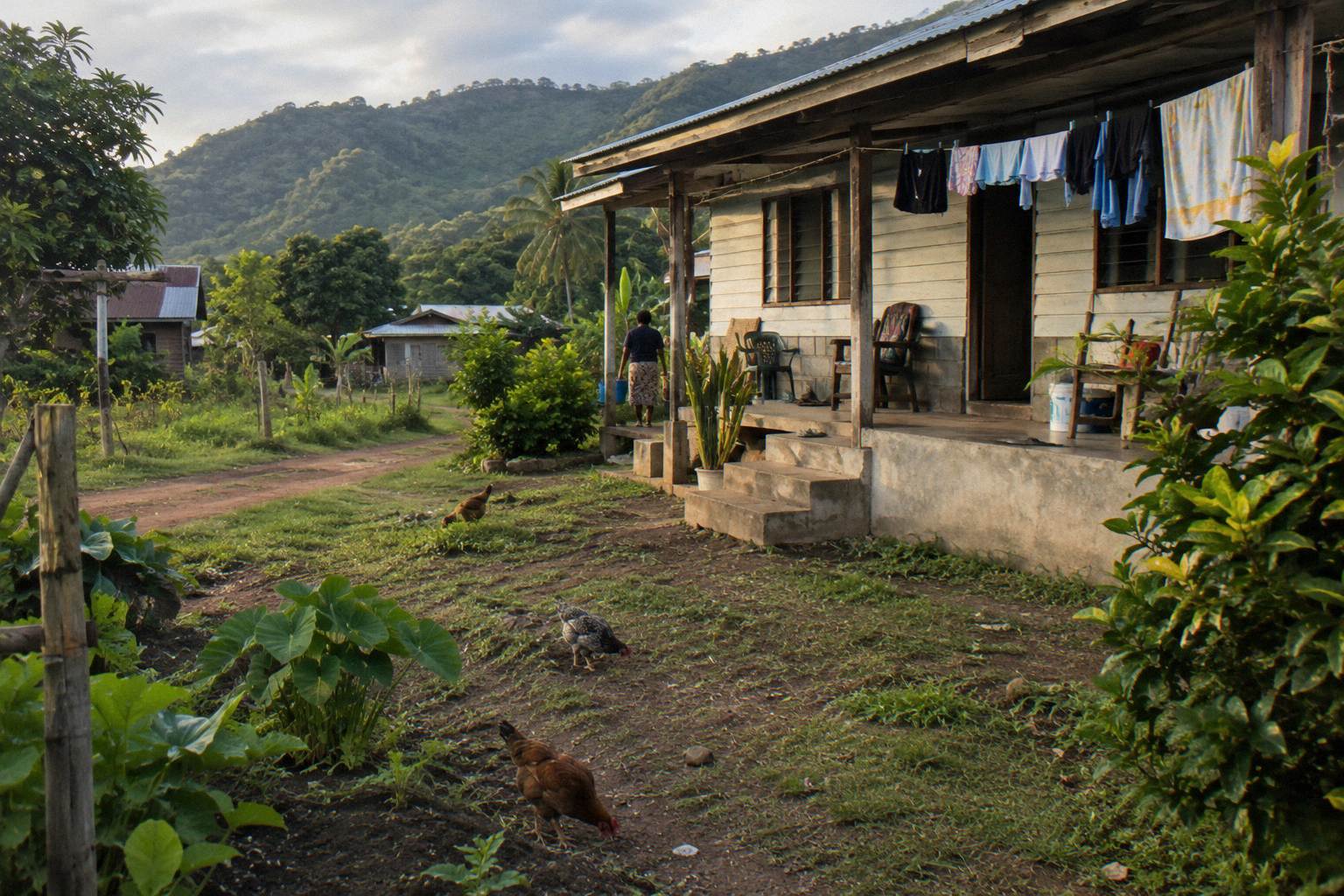
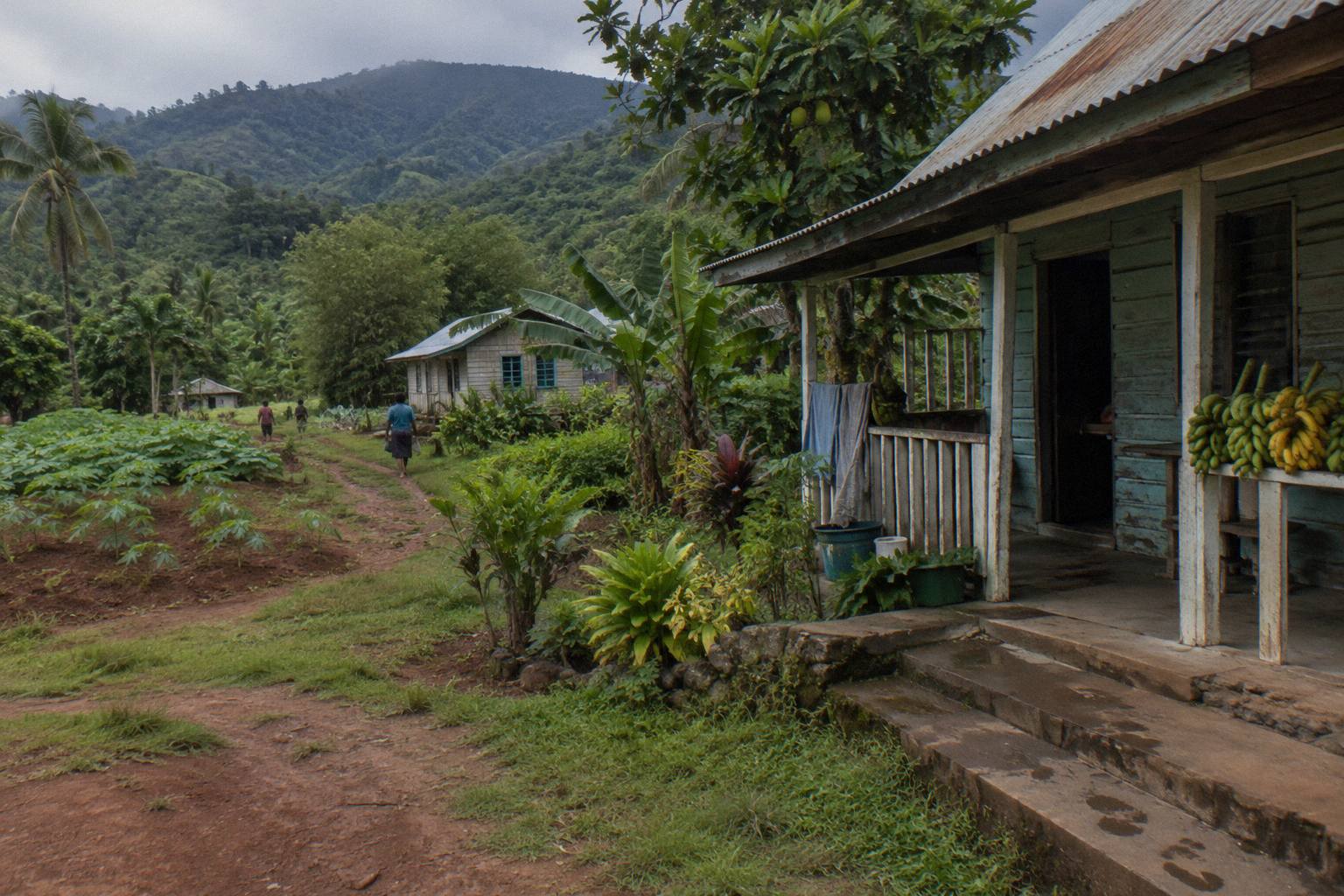
Naihehe Cave is not an empty attraction someone fences off and sells tickets to. It sits on village land in the foothills above the Sigatoka Valley, and the people of Sautabu village, tikina Naqalimare, Navosa, are named by the Fiji Times as the cave's guardians. That single fact shapes the whole visit: before the crouch and the boulders and the headlamps, there is a courtesy to observe, and the courtesy has a name, sevusevu.
The rules around that courtesy are few, and they belong to specific sources. One off-road cave safari operator describes the sevusevu step on its own tours; the Fiji Times records the custom in its own reporting on the cave; a booking page for the Naihehe cave safari with BBQ lunch describes meeting the traditional keepers of the cave. Nothing else is stated, and this page does not add to it. What follows sets out each step with its source, so you can arrive prepared without guessing.
What Is Sevusevu And Why The Village Asks For It?
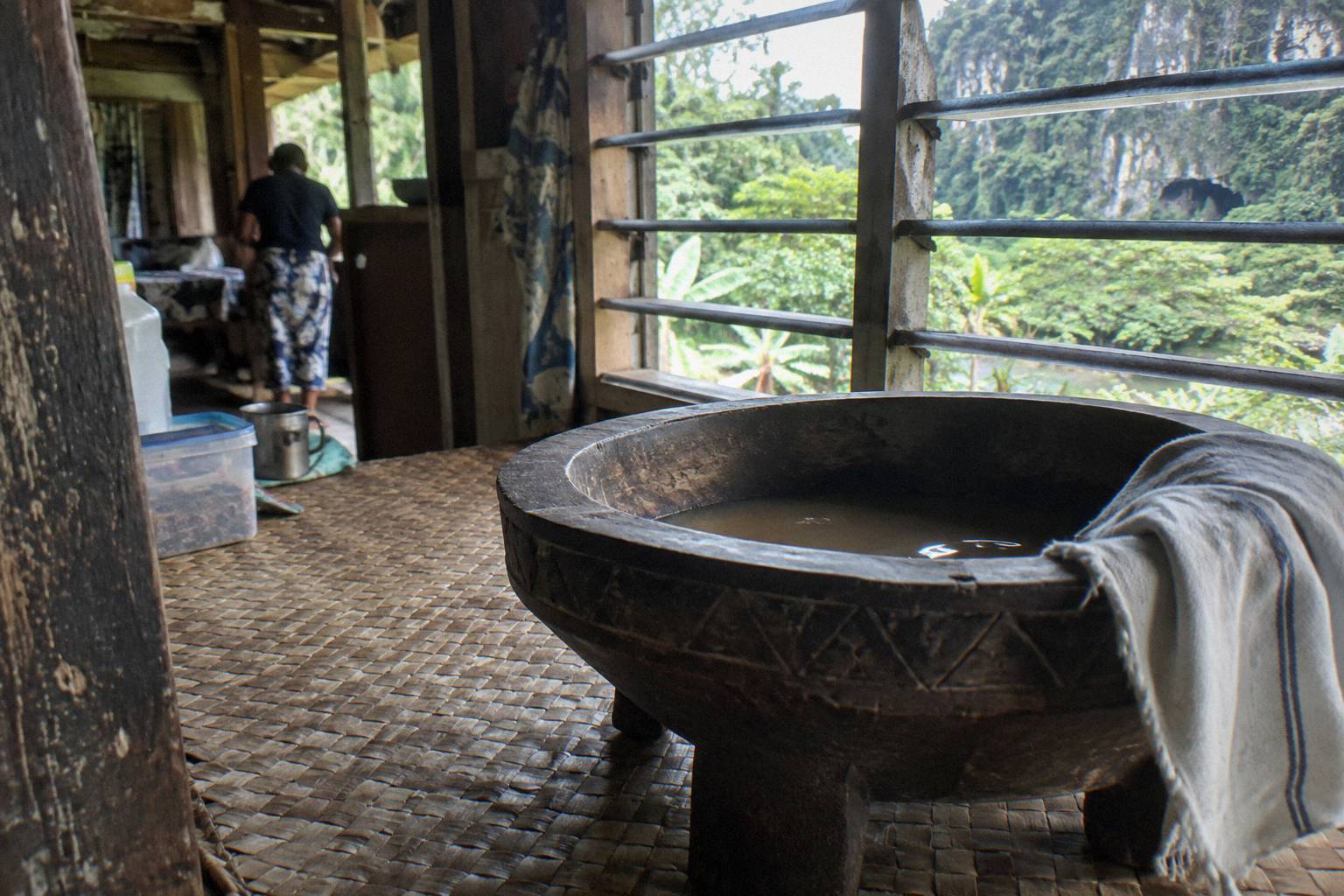
Sevusevu is a kava ceremony of request and welcome: before anyone enters Naihehe Cave, the group stops at the home of the village priest, the bete, presents kava, and asks his permission and blessing for the visit, a step the Fiji Times frames as a condition of entry rather than a courtesy extra. The Fiji Times records the rule plainly: "whoever wishes to enter the cave must seek the permission of the priest (bete), or you might get lost". In the operator's words, the bete is "the cave's spiritual caretaker", and the blessing is believed to give safe entry and safe return. Sevusevu is accepted in a concrete house a few metres from the cave, the Fiji Times reports, so the stop happens close to the cave mouth itself, not back in town.
It helps to understand what sevusevu is not. It is not a performance laid on for photographers, and no source here describes it as a show. It is a courtesy the village asks of anyone entering the cave, a step in the visit the way the river crossing is a step in the drive. The Fiji Times history of the cave, which you can read in its own reporting on the cave and its secrets, gives the deeper background: folklore says the cave was ruled by a bete and the high chief of Sautabu, and people hid inside for months during tribal warfare. A village priest, the bete, receives the sevusevu presented by visitors before the cave visit.
For a fuller walk through the cave itself, the chambers and the spring and what the sources say lies inside, see what reputable sources say inside Naihehe Cave. For the etiquette of the sevusevu kava ceremony, this page covers it in detail below.
The practical upshot for you: the village stop is not optional filler on the tour, it is the doorway. Arrive expecting to sit, to wait your turn, and to be received as a guest rather than a spectator. The operator says guests are welcomed as family and offered a taste of kava, which frames the tone of the whole exchange.
The Step-By-Step Custom At Naihehe Cave, As The Sources State It
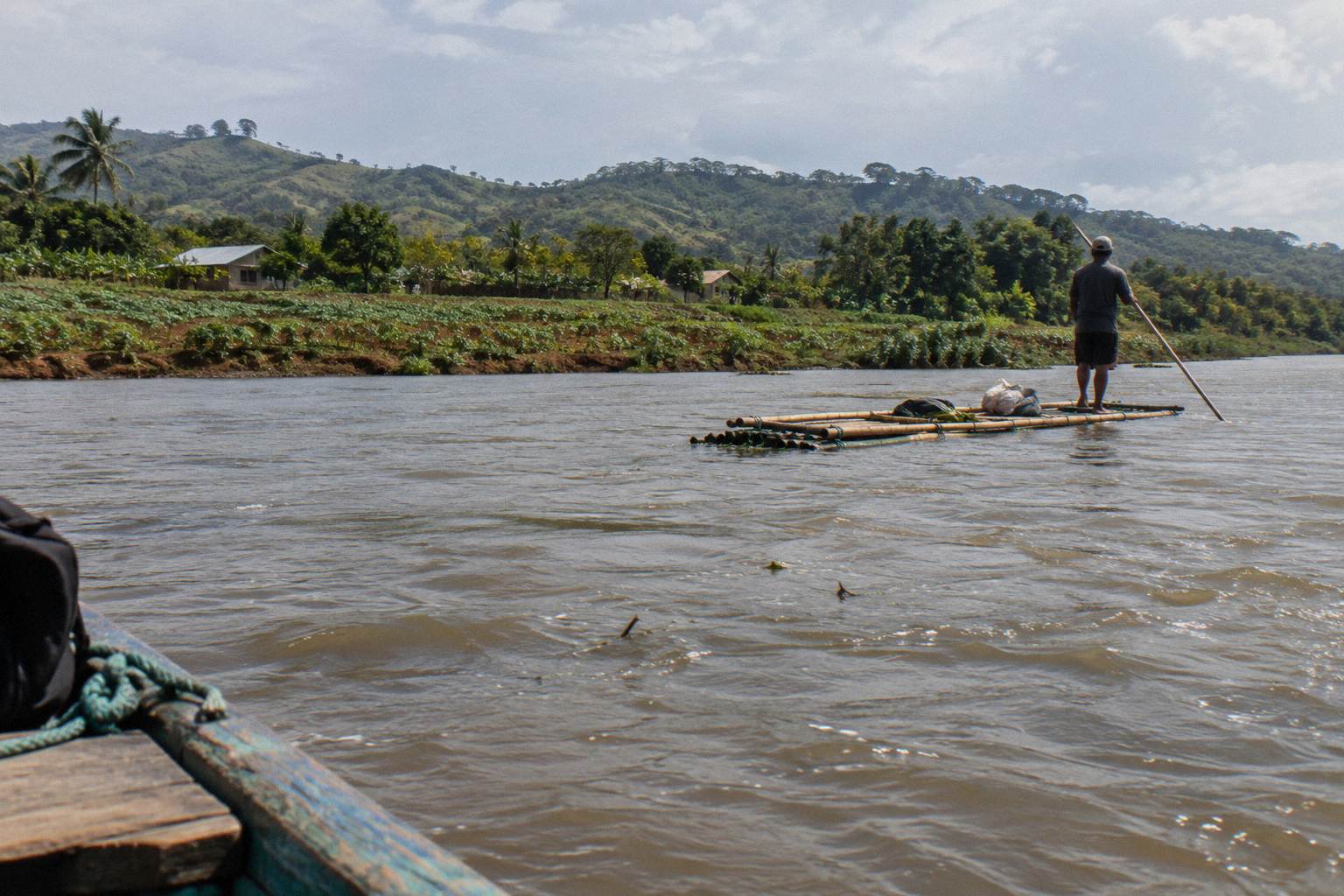
The off-road cave safari pairs a 4x4 drive through the Sigatoka Valley with a guided visit inside Naihehe Cave, then finishes with a Fijian BBQ lunch, all packed into roughly four and a half hours. The operator's listing presents it as a single loop: the off-road leg, the cave itself, and the barbecue meal, with hotel pickup and drop-off handled as part of the package. A booking page for the same safari, the Naihehe cave safari with BBQ lunch, about 4.5 hours from the Sigatoka meeting point at 8:45am, from US$138.06 per person and rated 5.0 across about 490 reviews, describes it as: participate in a traditional kava ceremony, meet the family, the traditional keepers of Naihehe Cave, and seek permission to enter the cave.
Because each fact here belongs to the source that states it, the plain way to present the custom is step by step against those sources, rather than as one blended rulebook:
| Step of the custom | What the source says | Source |
|---|---|---|
| Seeking permission | "Whoever wishes to enter the cave must seek the permission of the priest (bete), or you might get lost" | The Fiji Times |
| Where sevusevu is accepted | In a concrete house a few metres from the cave | The Fiji Times |
| The blessing | The priest's blessing is believed to give safe entry and return | One off-road cave safari operator |
| The welcome | Guests are welcomed as family and offered a taste of kava | One off-road cave safari operator |
| The keepers | Meet the family, the traditional keepers of Naihehe Cave | A booking page for the Naihehe cave safari |
| Lunch | A Fijian BBQ lunch is served at the priest's residence | One off-road cave safari operator |
| Community support | A portion of each tour supports the community | One off-road cave safari operator |
Note what the table does not say. No source gives a kava weight or quantity to bring, a price for kava, or a rule that the cave cannot be visited independently. Those gaps stay gaps: not stated, check the booking page for the tour you book. If you are still choosing between the three tours that touch the cave, the trio below covers a same-family alternative and a format contrast.
The Sigatoka cave and village tour with lunch and transfers, from US$99 per person, handles this whole sequence in one booking, with hotel pickup from eight listed resorts between Denarau and the Coral Coast, Wyndham Denarau and Shangri-La Yanuca Island among them. One caution belongs here rather than later: the listing is sold as a cave and village tour from Sigatoka, and the summary describes it as a Naihehe Caves visit; check the booking page details before you book. Its rating is 5.0 across 4 reviews, a very small pool, so weigh the inclusions and the pickup list rather than the number alone.
Kava At The Priest's House: What The Operator Actually Says
The operator's stated version of the kava moment is short and calm: guests are welcomed as family and offered a taste of kava during sevusevu, nothing more, and no source describes pressure to drink more than you want, a required chant, or a set number of rounds during the ceremony. That is the whole of the stated claim. There is no stated sequence of rounds, no stated response you must chant, no stated rule about who may refuse. If you want a broader grounding in the drink itself before the day, kava and sevusevu for visitors on a village cave tour walks through it at more length, again staying inside what the sources state.
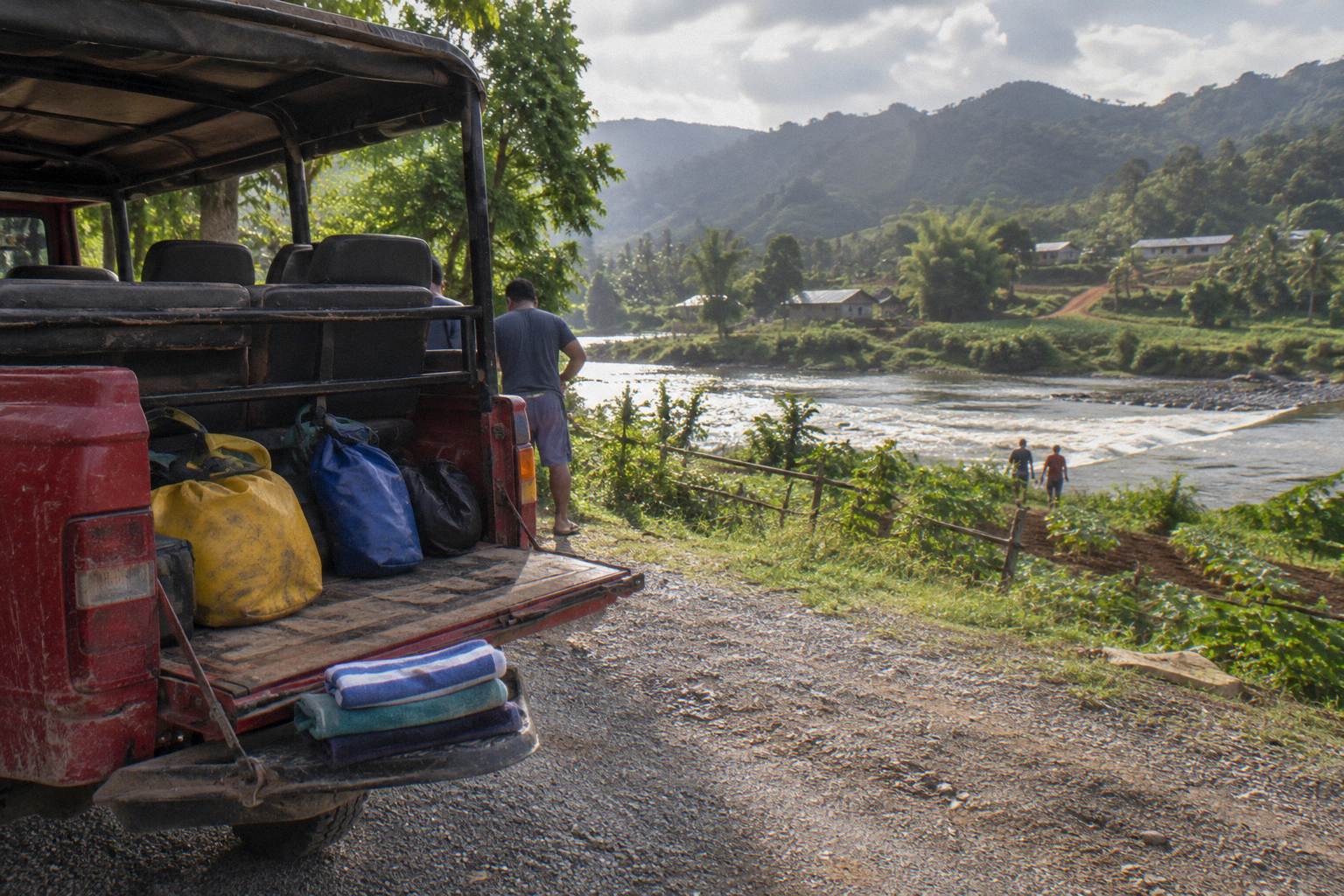
It is worth being precise about what carries over and what does not. The jet boat safari on the Sigatoka River also visits a village and includes kava, and its operator publishes village dress guidance of its own: shoulders and knees covered, a sulu for women supplied at check-in, hats and sunglasses off before the chief's house, kava optional. Those rules belong to that jet boat village visit only and are never rules for a cave tour. Printing them here as cave etiquette would carry one operator's policy onto another product, and no source allows that. The cave tour's only stated dress item is the sulu for ladies, covered in the next section.
The meal belongs to the same household. The operator pairs the cave safari with a barbecue lunch, and the live booking page for the same safari confirms the BBQ lunch alongside the off-road leg and the cave visit. So the relationship with the household frames the whole middle of the day, not just a five-minute stop: you arrive, you sit for sevusevu, you go to the cave, you come back and eat in the same home.
Is A Village Cave Tour With Lunch The Right Format For You?
If reading this far has convinced you the village side of the day matters as much as the cave, the Sigatoka cave and village tour with lunch and transfers bundles the village visit, the meal and the transfers together, and a booking page for this safari states free cancellation up to 24 hours before the start for a full refund.
What To Wear: The Sulu For Ladies And The Only Stated Dress Advice
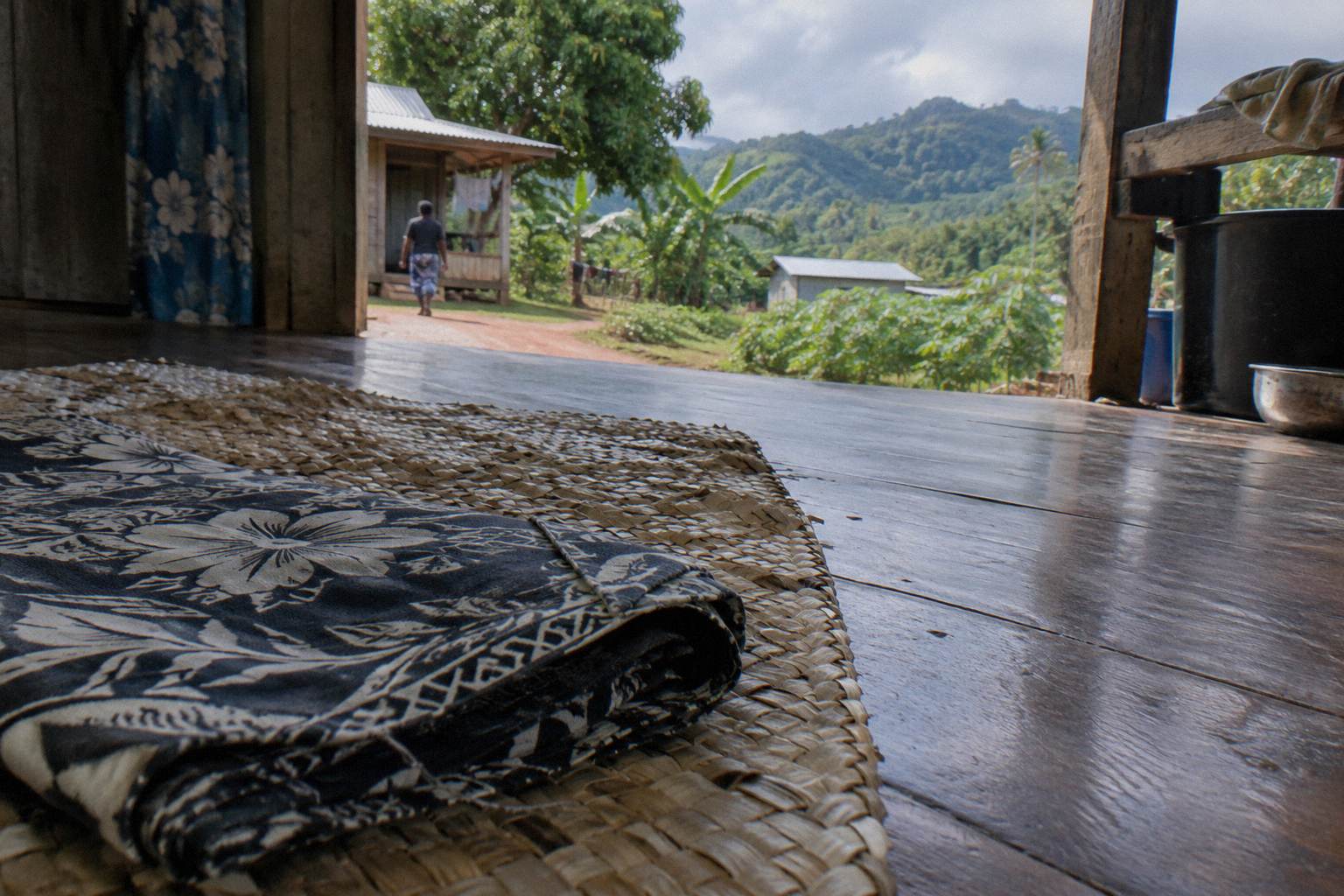
The only dress item the cave safari listings state is a complimentary sulu for ladies, included so visitors have something to wear over other clothing when entering village settings; no other dress code for the cave tours appears in the sources. The operator lists the sulu and bottled water among its inclusions; a sulu is a sarong worn over other clothing, in line with village dress customs. That is the whole of it. No source states a rule about head coverings, footwear in the village, or clothing colours for men, and none is invented here.
The clothing advice that does exist for this day is physical rather than cultural, and it comes from the same operator's advisory. The tour involves strenuous off-roading and wet, uneven cave surfaces; the operator recommends bringing wettable footwear and a change of clothes, and says the trip is not recommended for people with back problems or pregnancy. Its FAQ says the trip is generally suitable for children 5 and over. The full packing logic, from swimwear for the optional river swim to dry bags, is laid out in what to bring to a Naihehe cave tour; the point for this page is that the sulu is the only stated clothing requirement with a cultural reason behind it.
A sulu, for anyone who has not worn one, is a wraparound cloth skirt, and the operator hands it to ladies as a complimentary item rather than something to buy in advance. If you already own one, packing it does no harm; if you do not, the stated position is that you will be given one. Men get no parallel instruction in any source, which is itself the short answer to a question many visitors ask: nothing stated, so ordinary respectful clothing and the operator's physical advisory are the guide.
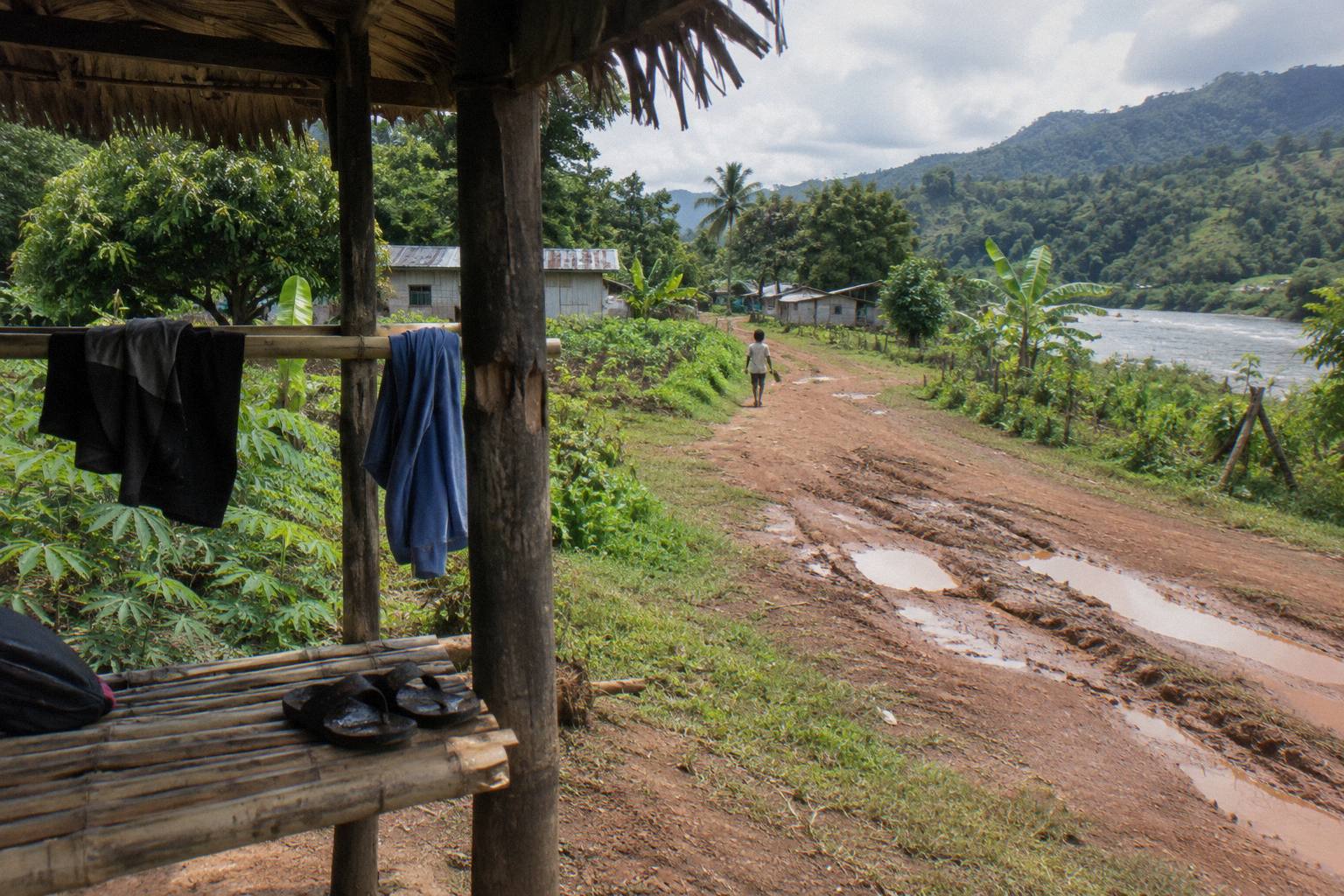
Footwear is where the two halves of the day meet. Inside the cave you crouch and climb over boulders and wade shallow water, ankle-deep or slightly higher, with mandatory safety equipment used in the cave, according to the operator's FAQ. Cave entry involves sevusevu, the kava custom, and the village priest (bete). Wettable footwear that can be slipped off or rinsed serves both halves, and the operator's own suggestion points the same way.
Which Of The Eight Tours State A Village Or Kava Step?
Three of the eight tours covered here touch the cave, and the village or kava step is stated on the cave tours and on one valley river cruise; the other valley and waterfall tours make no such claim in their listings descriptions. The listing is the source for this tally, and it is worth reading as a whole, because a reader who wants the sevusevu experience can book a tour that never states it.
| Tour | Duration and start | From price | Village or kava step stated? |
|---|---|---|---|
| The Naihehe cave safari with BBQ lunch | About 4.5 hours, Sigatoka meeting point, 8:45am | From US$138.06 per person | Yes: kava ceremony, keepers' family, permission to enter |
| The Sigatoka cave and village tour with lunch and transfers | 4.5 hours, 8 pickup locations from Denarau to the Coral Coast, Wyndham Denarau and Shangri-La Yanuca Island among them | From US$99 per person | Yes: village tour in the description; cave name differs between summary and description |
| The cave tour with a Fijian village, local school visit and light lunch | 4 to 5 hours, Coral Coast resort pickup at 8:30am | From US$181.20 per person | Yes: Fijian village and local school in the overview |
| The Sigatoka river cruise and Salad Bowl valley tour | 4.5 hours, 25 pickup options across Nadi, Denarau and Coral Coast | From US$84 per person | Yes: village kava in the listings description; no cave |
| The jet boat safari on the Sigatoka River | 4.5 hours, hotel pickup and drop-off | From US$147.59 per person | Yes: village visit on the jet boat product; no cave |
| The Sigatoka River jet boat safari with lunch | 7 hours, from Sigatoka | From US$182 per person | Not stated; no cave |
| The Biausevu waterfall and Sigatoka sand dunes tour | 8 hours, pickup in Sigatoka or Nadi | From US$170 per person | Not stated; no cave |
| The Biausevu waterfall and Natadola beach combo | 8 hours, Coral Coast pickup | From US$161.22 per person | Not stated; no cave |
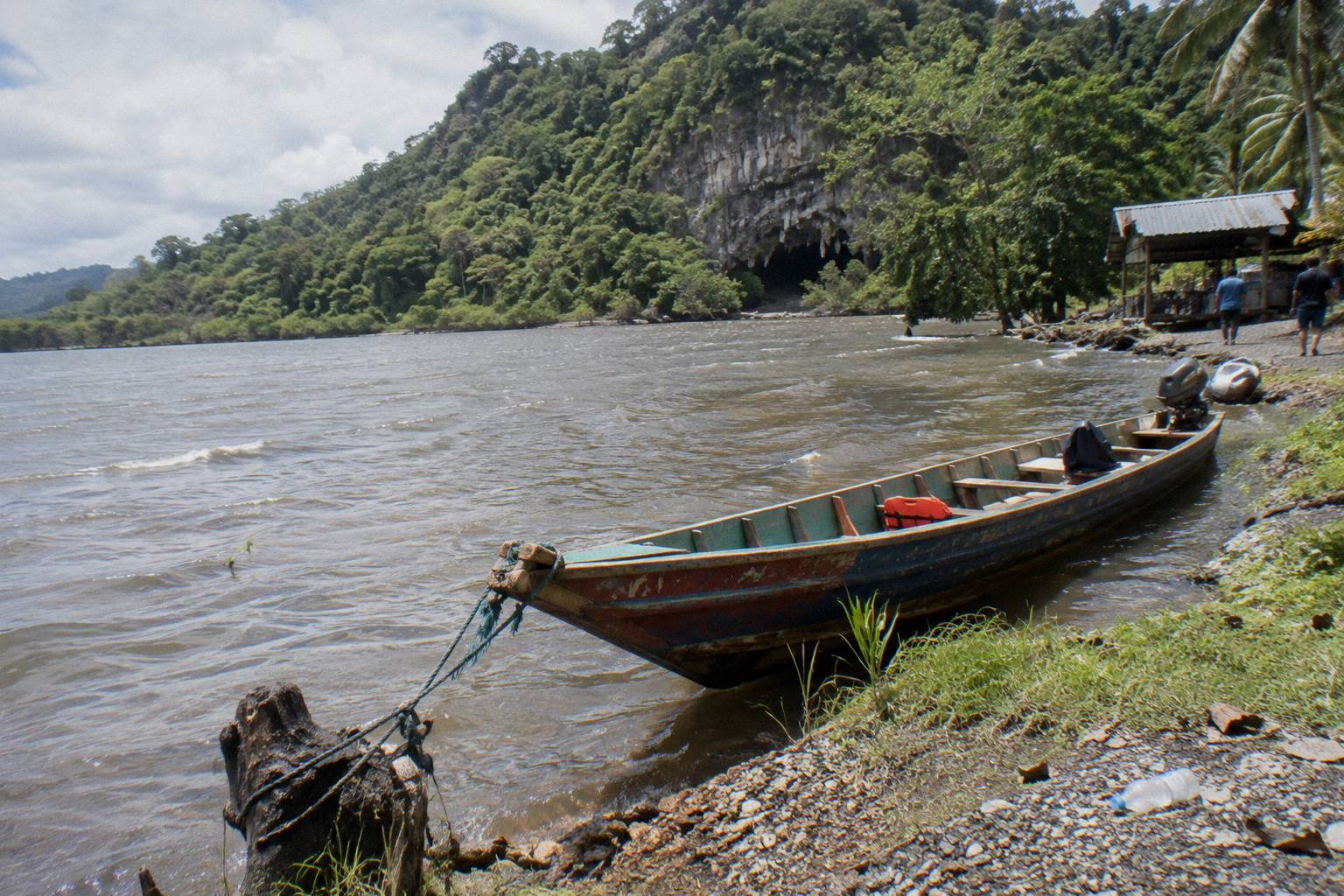

Read the table with care on the cave question. The Naihehe cave safari with BBQ lunch is a confirmed Naihehe trip, rated 5.0 across about 490 reviews, the largest review pool of the three cave tours. The Sigatoka cave and village tour carries the split naming already flagged. The cave tour with a Fijian village, local school visit and light lunch names the Naihehe cave in its overview, from US$181.20 per person, and has just 1 review, so the description, not the numbers, has to carry the decision there. More of these guides are collected on Naihehe Cave Tours.
The river cruise line is the interesting contrast for a sevusevu-minded reader. The Sigatoka river cruise and Salad Bowl valley tour, from US$84 per person and rated 4.4 across 47 reviews, states a village kava step and lists 25 pickup options, but it never enters a cave. If the kava ceremony is what draws you and the boulders do not, that is the plain trade: village custom without the crouch. Nadi and Denarau guests pay FJD 30 per adult for the return transfer on that tour, its booking page says.
The cave safari itself deserves the same plain framing. Its operator's schedule is a full half day: the 4x4 with its river crossing, the village and kava, the cave, then the BBQ and the optional swim, back in Sigatoka between about 12:30 and 1:00pm. A booking page for this safari states free cancellation up to 24 hours before the start, reserve now and pay later, and a live guide in English. Those terms belong to this safari and are not carried to any other tour.
And the third cave option, the cave tour with a Fijian village, local school visit and light lunch, adds a school stop the other two do not mention, which changes the shape of the village half of the day. How the three cave trips differ, hour by hour and dollar by dollar, is laid out in which Naihehe cave tour to book.
Gifts, Donations And Tipping: What Is Appreciated And What Is Required
Optional small gifts or donations are appreciated, not required, the operator says, and the safest wording on money for guides is the operator's own: tipping is at your discretion, with no stated amount, percentage or comparison anywhere in the sources, and no tipping policy stated on any other tour's booking page. That is the complete stated position. The operator also states that a portion of each tour supports the community, which means the booking itself already carries a community contribution on that product.
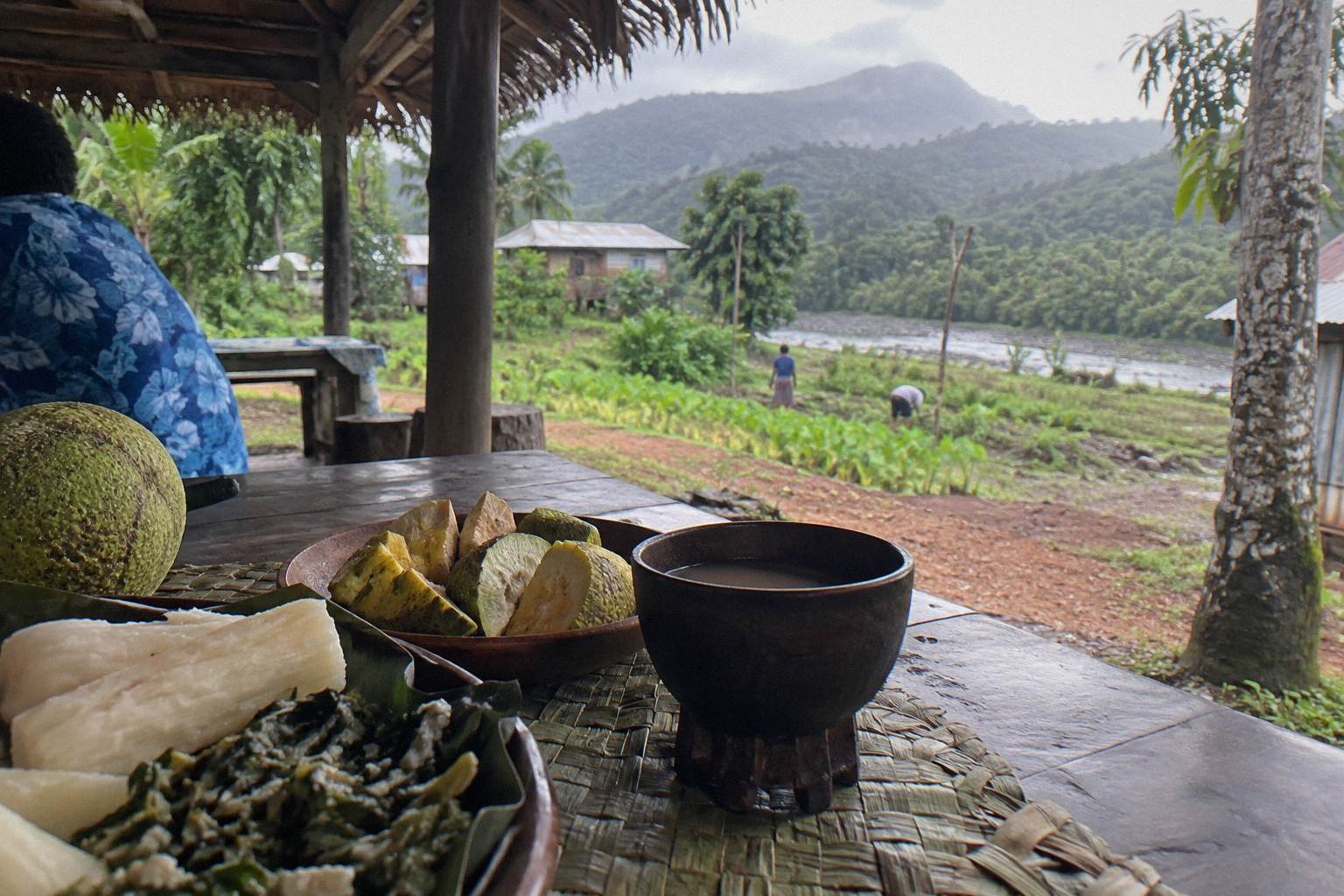
Because every money question here has a short, attributed answer and none of them carries a figure, the clearest way to hold them is side by side:
| Money question | Stated position | Source |
|---|---|---|
| Small gifts or donations | Appreciated, not required | One off-road cave safari operator |
| Tipping | At your discretion | One off-road cave safari operator |
| Community contribution | A portion of each tour supports the community | One off-road cave safari operator |
| Kava to bring | Not stated; check the booking page | No source gives a quantity or price |
| Tipping on other tours | Not stated on their booking pages | Not stated |
If you do want to bring a small gift, keep it small and keep it optional, because that is how the source frames it. Nothing in the sources names a preferred gift, and the jet boat product's separate guidance about school supplies or similar belongs to that product's village relationships, not to the cave village. A reader who wants to think the gesture through rather than the price tag can hold to the stated logic: appreciated, never required.
Tipping follows the same discipline. The operator's FAQ wording, "tipping is at your discretion", is the whole claim, and it is an operator claim for its own tours, not a rule of Fiji. No other tour's booking page in the facts states a tipping policy, so the plain line for the other trips is simply that it is not stated there.
The Cave History Behind The Custom
The sevusevu custom at Naihehe is inseparable from the cave's history: the Fiji Times reports the cave was a fortress during the Little War of 1876, folklore says it was ruled by a bete and the high chief of Sautabu, and people hid inside for months in tribal warfare. The cave mouth itself kept attackers from entering en masse, the Fiji Times reports, and one operator describes the cave as a fortress for the Sautabu or Nabuavatu clan in tribal warfare days. The priest's caretaking role in today's sevusevu is the living end of that same lineage of guardianship, which is why the courtesy is asked of every entering group and not only of the first visitors of the day.
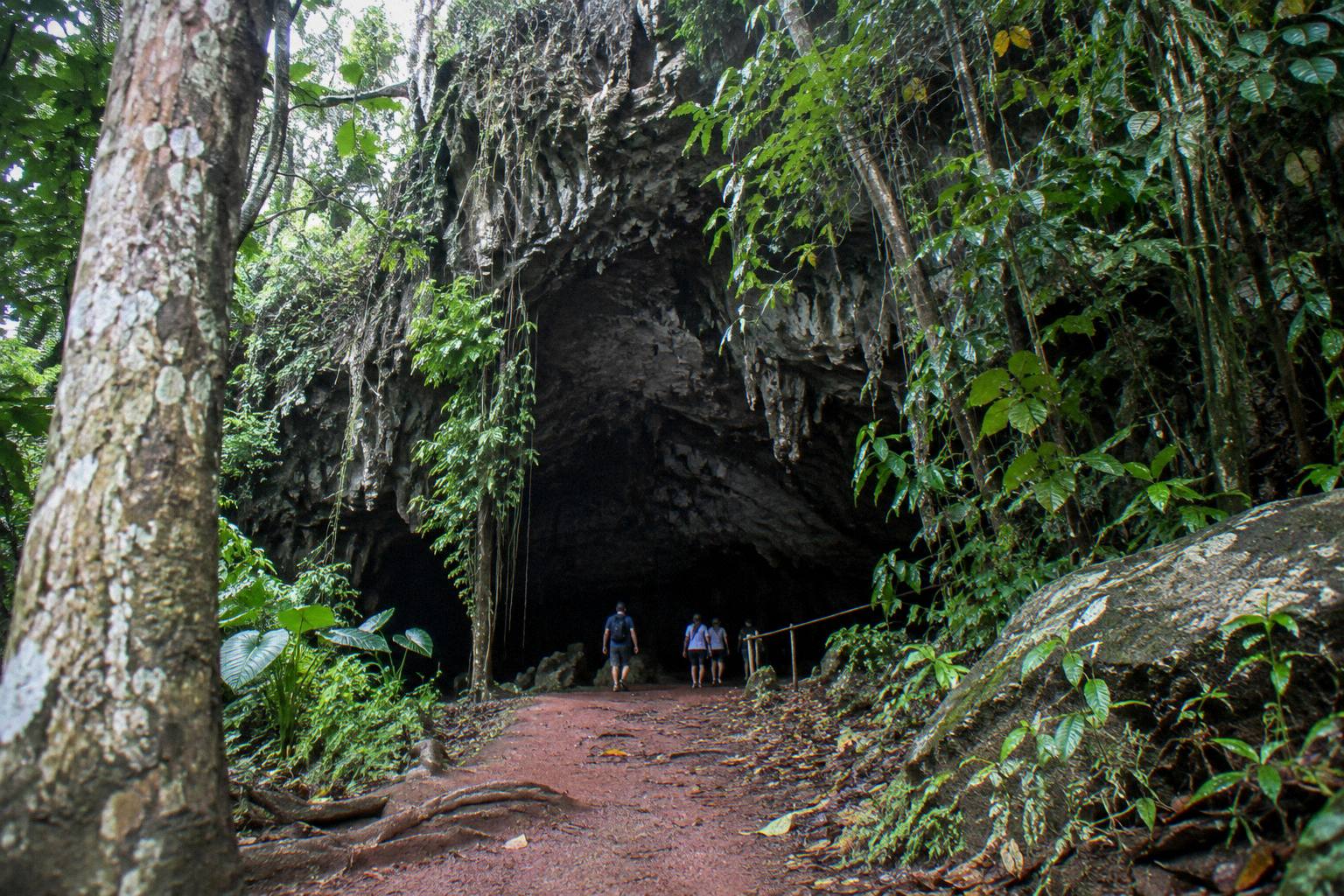
The history deserves respectful handling, and this page keeps to what the sources state. The cave is famed, the Fiji Times says, for its role in the Little War of 1876 and as the cave fortress of one of Fiji's last cannibal tribes, and the operator's FAQ mentions that a cannibal oven and a ritual platform are seen inside the cave today. The operator also describes the cave's role in ending tribal warfare over a century ago. No date beyond the Little War of 1876, no head count, no cave length and no duration of the months people hid is stated, and none is printed here. The deeper telling of that history sits in the Fiji Times report on the cave and in the story of the cannibal cave at Sigatoka, and the name's own meaning, confusion to approaching enemies in the Nadroga dialect, is covered in the cave safari explained.
Why does this matter for etiquette? Because the sources frame sevusevu as a courtesy between guests and a household whose caretaking is centuries old, not a transaction. The Fiji Times quote about getting lost without the priest's permission is folklore, and folklore is how the village explains the rule to itself; the practical version for you is simply that you ask, you are welcomed, and you enter with the blessing given. The operator's line that guests are welcomed as family is the tone to arrive expecting.
For background on the town the tours start from, see the town of Sigatoka on Viti Levu's Coral Coast, south of Nadi.
Common Mistakes When Visiting The Village On A Cave Tour
The mistakes that trip visitors up are all imports: treating sevusevu as a show, borrowing the jet boat tour's village rules, inventing a kava quantity or a dress code no source states, and skipping the ceremony's meaning by arriving in a rush. Each one is avoidable by holding to what the sources and the live booking page actually say, and each has a cost, from a fumbled sevusevu at the village to a wrong expectation about what the day includes.
The first mistake is expecting a performance. The operator's framing is family, welcome and blessing, and the Fiji Times frames the priest's permission as a condition of entry. A visitor who sits, accepts the welcome and the taste of kava offered, and lets the ceremony run at its own pace is doing exactly what the sources describe. A visitor who treats the stop as a photo opportunity between the river crossing and the cave is reading the day wrong.
The second is rule borrowing. The jet boat safari's village guidance, covered shoulders, supplied sulu at check-in, hats off before the chief's house, belongs to that product's 18 rotating host villages and is never a cave tour rule. The only stated cave-tour dress item is the sulu for ladies. When you read advice online mixing the two, you are reading one operator's policy pasted onto another's product.
The third is inventing quantities. No source gives a kava weight, a gift value or a tipping figure, and the plain answers are the stated ones: gifts optional and appreciated, tipping at your discretion. The fourth is ignoring the split naming on the Sigatoka cave and village tour; if Naihehe specifically is the goal, the booking page summary and description name different caves, so check before booking. The fifth is assuming every tour includes the village step; the table above shows which of the eight state it and which do not. And the sixth is packing for the cave but not the house: wettable footwear, a change of clothes and, for ladies, readiness to wear the sulu cover both halves of the day.
Common Questions About Village Etiquette On A Naihehe Cave Tour
Do I Have To Take Part In Sevusevu To Enter The Cave?
The Fiji Times states that whoever wishes to enter the cave must seek the permission of the priest, the bete, and the operator's tour includes the sevusevu ceremony as a step before the cave. On the tours described here, the ceremony is part of the visit rather than an add-on.
Do I Have To Drink Kava?
The operator says guests are welcomed as family and offered a taste of kava. No source states a requirement to drink a set amount, and no other rule about refusing is stated; the offer, as described, is a welcome, not a test.
What Should Women Wear At The Priest's House?
The listing sticks to the basics: a BBQ lunch, the off-road leg and the cave visit. No sulu or village dress code appears on it. No other dress rule for the cave tours is stated anywhere in the sources.
Should I Bring A Gift Or Kava?
The operator says optional small gifts or donations are appreciated, not required. No source gives a kava quantity, a gift value or a preferred item, so treat the gesture as optional and keep it simple.
Should I Tip The Guide Or The Village?
The operator's own wording is that tipping is at your discretion. That is the only stated tipping position among the facts here, and it applies to that operator's tours; other tours do not state one.
Do The Other Tours Follow The Same Village Rules?
No. Each tour's village step is stated on its own booking page, and the jet boat safari's village dress guidance belongs to that product only. Three of the eight tours reach the cave, and the table above shows which tours state a village or kava step.