
Kava And Sevusevu On A Naihehe Cave Tour: What The Village Custom Asks Of You
Before any group enters Naihehe Cave, the village custom asks for sevusevu, a kava ceremony at the home of the village priest. Here is what the sources actually state about the custom, which tours include it, and what visitors are asked to do and wear.
Short answer
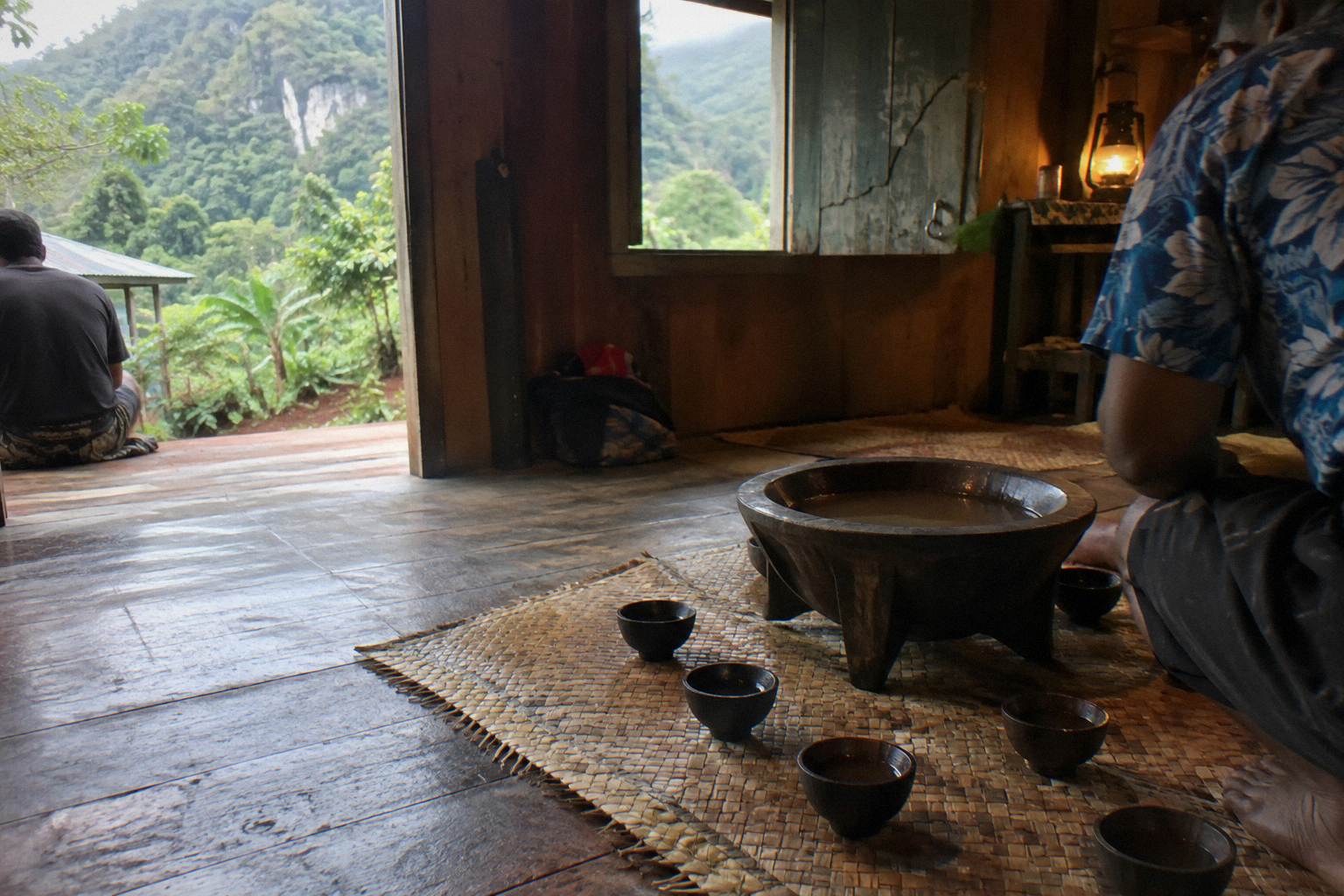
Sevusevu is the kava ceremony through which a group asks the village priest (bete) for permission to enter Naihehe Cave. One off-road cave safari operator states guests take part in the ceremony, are welcomed as family, receive a taste of kava, and ladies receive a complimentary sulu. The ceremony is included in the cave tours that state it on their booking pages.
Naihehe Cave sits on village land, and the people of Sautabu village, tikina Naqalimare, Navosa, are named by the Fiji Times as the cave's guardians. That single fact shapes the whole first hour of a cave tour. The group does not walk straight to the cave mouth. It stops first at the home of the village priest, the bete, for a kava ceremony called sevusevu, the custom through which permission to enter the cave is sought. One off-road cave safari operator describes the bete as "the cave's spiritual caretaker", and the Fiji Times puts the custom plainly: "whoever wishes to enter the cave must seek the permission of the priest (bete), or you might get lost".
For visitors the practical questions are simple. What happens at the ceremony? Do you have to drink kava? What should you wear? Which tours actually state the ceremony in what they offer? This guide works through those questions using only what the operator pages, the booking pages and the Fiji Times state, and it flags every gap honestly. The custom is a courtesy the village asks of visitors, not a show staged for travellers, and treating it that way is the best preparation a visitor can make.
What Is Sevusevu On A Naihehe Cave Tour?
Sevusevu is a kava ceremony in which a group presents kava to the village priest (bete) and asks his blessing before entering Naihehe Cave, which sits on village land. The Fiji Times reports that permission from the bete is required to enter, and one off-road cave safari operator states the blessing is believed to provide safe entry and return. It is a courtesy between guests and hosts, not a performance.
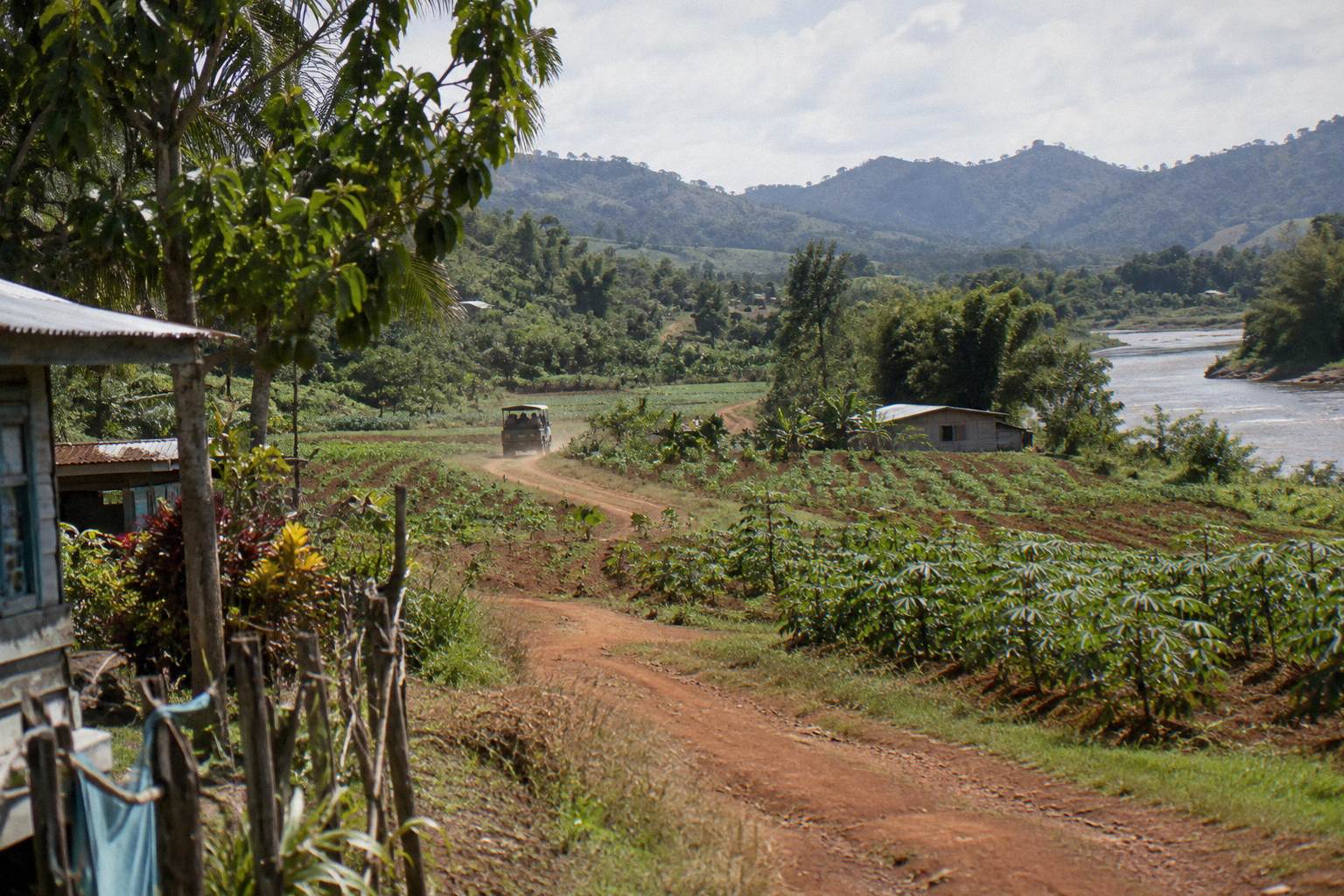
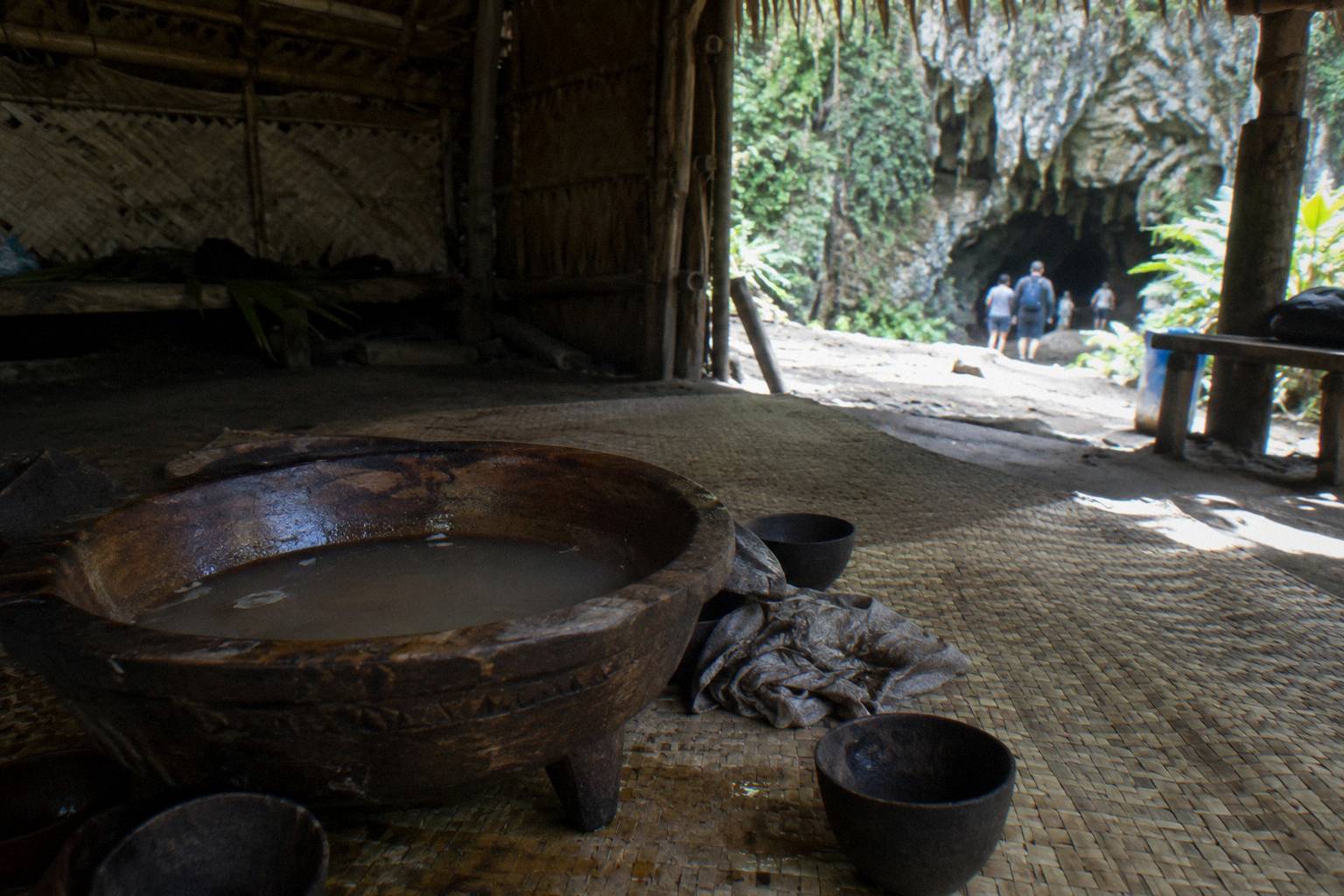
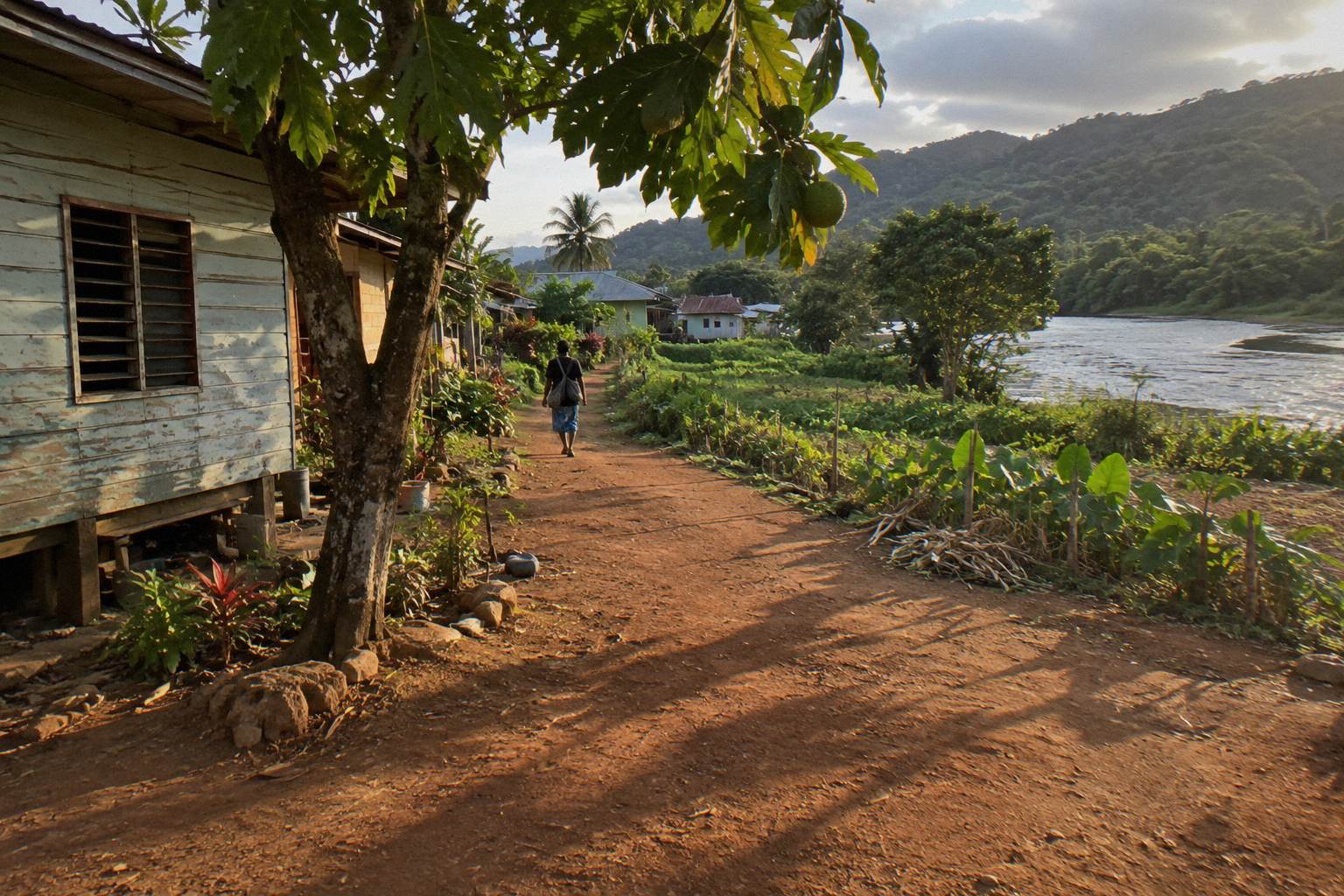
The Fiji Times reports that sevusevu is accepted in a concrete house a few metres from the cave, at the home of the bete. That detail matters for planning: the ceremony is not a detour or an optional add-on at the end of the day. It happens at the threshold of the visit, before the cave, and the whole tour timetable is built around it. On the schedule published by one off-road cave safari operator, the village stop with the sevusevu comes before the cave exploration and the barbecue lunch at the priest's residence.
What the ceremony asks of a visitor is modest. The operator states that guests are welcomed as family and offered a taste of kava. It is a taste, offered by the hosts, and the sources describe the greeting as warm rather than formal. The Fiji Times frames the custom from the village side: the bete's permission is what opens the cave. Nothing in any source on this page describes an obligation beyond accepting the welcome respectfully, and nothing states that a visitor must drink a set quantity of kava. If a question is not answered by the sources, this guide says so rather than guessing.
The name of the cave itself carries the same theme of respect and caution. The Fiji Times says that in the Nadroga dialect Naihehe (or Nasese) means "to confuse or cause confusion", because enemies approaching the area got confused or lost in the forest, and one operator says the name translates as "a place to get lost". The sevusevu is the living counterpart of that old caution: kava is presented to the village priest, the bete, and the cave itself is entered only with permission. For background on the town the tours depart from, see the Wikipedia page on Sigatoka.
What Actually Happens At The Kava Ceremony?
On the cave safari schedule published by one operator, the group takes the off-road leg into the Sigatoka Valley, explores the cave, then returns for a barbecue lunch. Guests are welcomed as family and offered a taste of kava; ladies receive a complimentary sulu. No source states a required speech or a required quantity to drink.
The best way to see the ceremony is as a sequence of steps, each of which is stated by a named source. The table below sets out the steps against exactly what each source says, so you can see where the facts end and where the gaps sit.
| Step | What The Source Says |
|---|---|
| Cave entry custom | Sevusevu, the kava ceremony, is part of village entry to Naihehe Cave, presented to the bete (village priest) |
| The kava ceremony itself | One operator states the group takes part in sevusevu (a kava ceremony) at the home of the village priest (Bete) |
| The blessing | The operator states it is for the priest's blessing, believed to provide safe entry and return |
| The welcome | The operator states guests are welcomed as family and offered a taste of kava |
| Dress for ladies | The operator states ladies receive a complimentary sulu to wear during the village visit |
| The meal | The cave safari listing includes a barbecue lunch as part of the 4.5-hour tour; the booking page gives no menu or venue detail |
| Gifts and donations | The operator states optional small gifts or donations are appreciated, not required |
| After the ceremony | The operator's schedule places cave exploration after the village and sevusevu, with a guide from the bete clan taking visitors, as the Fiji Times reports |
Two things in that table deserve emphasis because travellers get them wrong. First, the taste of kava is offered by the hosts; the sources do not describe rounds of drinking or any expectation of them. Second, the ceremony belongs to the village visit, and the listings do not state that kava is drunk inside the cave itself. The booking page for the Naihehe cave safari with BBQ lunch frames the day in two halves: an off-road leg through the Sigatoka Valley, then the cave visit and a barbecue lunch.
The timing also comes from the operator's own schedule, and it belongs to that operator alone. The off-road leg runs about 9:25 to 10:05, the village and sevusevu come next, cave exploration follows, and the barbecue lunch runs 10:10 to 12:30 at the priest's residence, with the group back about 12:30 to 1:00. The live booking page gives its own version of the drive: an off-road run toward the cave, the visit itself, and a BBQ lunch to follow. Neither statement is a promise about your day, only a published schedule, and the operator states it may cancel or amend for unforeseen circumstances including severe weather or road safety.
The Naihehe cave safari with BBQ lunch (off-road, river crossing, about 4.5 hours) is the listed trip whose booking page states the kava ceremony most directly: participate in a traditional kava ceremony, meet the family, the traditional keepers of Naihehe Cave, and seek permission to enter the cave. Check availability alongside the fuller guide to the Naihehe cave safari if that is the trip you are weighing.
Which Cave Tours State A Kava Ceremony?
Of the eight tours covered here, three visit a cave: the Naihehe cave safari with BBQ lunch, the Sigatoka cave and village tour with lunch and transfers, and the cave tour with a Fijian village, local school visit and light lunch. The kava ceremony is stated for the first two; for the third, the overview names a Fijian village visit and the kava detail is not stated. Five tours do not go to the cave at all.
The table below is the plain picture. It lists every tour that touches a village or cave custom and states exactly what the booking page or overview names. One Sigatoka cave and village tour is billed as a Naihehe Caves visit, with hotel pickup, a village kava ceremony, a light lunch, and about 45 minutes in the cave as the operator describes it, so read the live listing before you book.
| Tour | Price (Per Person) | Duration | Village Or Kava Detail Stated | Cave? |
|---|---|---|---|---|
| The Naihehe cave safari with BBQ lunch | From US$138.06 | 4.5 hours | Booking page states a traditional kava ceremony, seeking permission to enter, an off-road drive, the cave visit and a BBQ lunch | Yes, Naihehe Cave |
| The Sigatoka cave and village tour with lunch and transfers | From US$99 | 4.5 hours | Village tour and lunch with hotel transfers; kava detail not stated on the page summary | Billed as a Naihehe Caves visit; includes hotel pickup, a village kava ceremony, a light lunch and about 45 minutes in the cave as the operator describes it |
| The cave tour with a Fijian village, local school visit and light lunch | From US$181.20 | 4 to 5 hours | Overview names a Fijian village visit; kava detail not stated | Overview names the Naihehe cave |
| The Sigatoka river cruise and Salad Bowl valley tour | From US$84 | 4.5 hours | Village kava stated on a river cruise, not a cave tour | No cave |
| The jet boat safari on the Sigatoka River | From US$147.59 | 4.5 hours | Village visit with lunch cooked by the village women; kava optional on that product | No cave |
Two rows in that table need a plain warning. The Salad Bowl Valley river cruise and the 4.5-hour jet boat do state village visits and kava, but they are not cave tours and their village customs are separate products. The jet boat operator's village dress guidance, shoulders and knees covered, sulu for women supplied at check-in, hats and sunglasses off before the chief's house, applies to the jet boat village visit only. None of it may be carried to a cave tour, and none of the cave operator's customs may be carried to the jet boat. If your goal is the cave and the sevusevu that opens it, book one of the three cave tours, and if your goal is the river, the jet boat is the most reviewed of the eight tours covered, at 4.9 across 1,442 reviews.
Of the eight tours covered, three visit a cave, and the kava ceremony is stated on the booking pages of two of them; the five river, waterfall and beach trips visit no cave.
The featured trip for this comparison is the Sigatoka cave and village tour with lunch and transfers, from US$99 per person, with hotel pickup at 8 named resorts from Denarau to the Coral Coast, Wyndham Denarau and Shangri-La Yanuca Island among them, and a 5.0 rating across 4 reviews. It pairs a village experience with the cave visit at the lowest from-price of the three cave tours, but the cave named on its page has that open question, and the kava detail is not stated. Check availability on the booking page before booking, and read the cave-name detail there yourself.
What Should Ladies Wear At The Priest's House?
One cave safari operator notes that modest dress applies for the village visit, so a sulu or sarong is the right thing to wear for the sevusevu. That is the only dress guidance the cave sources give. No source states a dress code for men on the cave tours, and no source states any dress rule inside the cave itself.
The sulu is a wrap garment, and on this operator's tour it is provided, not purchased. That matters for packing: ladies do not need to buy one in advance for this trip, because the operator states it is complimentary. What the sources do not say is equally worth knowing. Dress specifics for the cave itself are not spelled out on the booking pages beyond modest village wear, and there is no stated rule about hats or sunglasses on the cave tours; the hats-off custom belongs to village visits such as the one on the jet boat safari.
For the cave itself the physical advisory from the same operator is the relevant guidance: strenuous off-roading, wet uneven cave surfaces, and it is not recommended for travellers with back problems or pregnancy. The operator's FAQ adds that you crouch and climb over boulders in places and wade shallow water ankle-deep or slightly higher, with mandatory safety equipment used in the cave. Its practical kit advice is to bring wettable footwear and a change of clothes, which is also covered in detail in the what to bring to a Naihehe cave tour guide. Dress for the village, then dress again for the cave; they are two different settings on the same day.
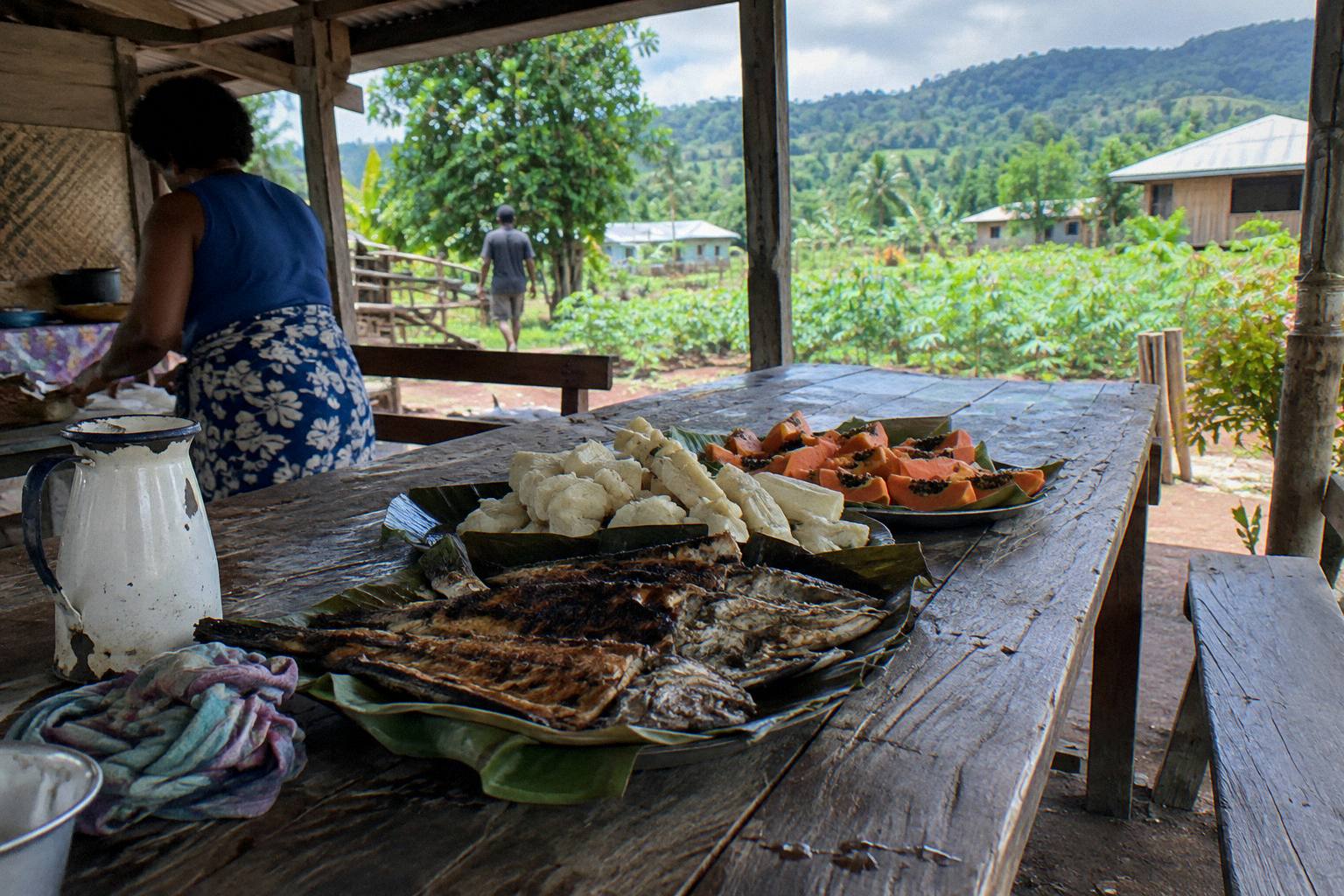
The change of clothes point connects back to the ceremony more than it first appears. The Naihehe Cave Safari with BBQ Lunch covers an off-road leg to the cave, the visit itself, and a barbecue meal afterward, exactly as the listing lays out. A dry set of clothes for lunch at the priest's residence is simply good manners as well as comfort, and the sources place that lunch at 10:10 to 12:30 on the operator's schedule.
Do You Have To Drink Kava, Buy Kava Or Bring Kava?
No source on any cave tour states that a visitor must drink kava, and no source gives a kava weight, quantity or price to bring. One operator states guests are offered a taste of kava, that optional small gifts or donations are appreciated but not required, and that tipping is at your discretion. Any claim about a required kava purchase is not stated anywhere in the sources.
This is where well-meaning advice from other travel contexts can mislead. On some village visits elsewhere in Fiji, guests are asked to bring a quantity of kava root as their sevusevu offering. Nothing in the cave tour sources states that here. The operator's own wording is that the group takes part in sevusevu, is welcomed as family, and is offered a taste of kava, with optional small gifts or donations appreciated and not required. The Fiji Times wording, from the village side, is about permission: whoever wishes to enter the cave must seek the permission of the priest. Permission, not purchase, is the substance of the custom as the sources give it.
The practical read for a visitor deciding what to carry is therefore short. Money for an optional donation or small gift, if you choose. Nothing else is stated as expected. The sources also say a portion of each tour supports the community, which is the operator's own statement about how the visit gives back beyond the ceremony.
On drinking itself, honesty about the limits of the sources: no page here describes the effects of kava, and none is needed, because the custom as stated asks only for a taste offered by the hosts. Declining politely is not addressed by any source; what is stated is only the offer. If that question matters to you, the booking page is where to ask it before you book. For what the whole day looks like beyond the ceremony, the walkthrough of what happens on a Naihehe cave tour covers the off-road leg, the river crossing and the cave chambers in order.
The gap between what the sources state and what the internet claims is easiest to see side by side, so the table below sets the two against each other for the questions travellers ask most about the kava custom.
| Question | What The Sources State | What Is Not Stated |
|---|---|---|
| Must you drink kava? | One operator states guests are offered a taste of kava | No source states a required quantity; declining is not addressed by any source |
| Must you bring kava? | Not stated on any cave tour page | No kava weight, quantity or price exists in the sources |
| Must you bring a gift? | The operator states optional small gifts or donations are appreciated, not required | No gift type or value is suggested by any source |
| What does the host side ask? | The Fiji Times reports permission from the priest (bete) must be sought to enter | Nothing about penalties or rules for disrespectful visitors is stated |
| Is there an extra fee? | Nothing beyond the tour price is stated; a portion of each tour supports the community, the operator says | No ceremonial fee is stated on any booking page |
What Sevusevu Does Not Ask Of You?
Sevusevu, as the cave sources state it, is a kava custom shared with the village priest, asking presence, patience and respect before entering the cave. It does not, on any stated source, require a purchased offering, a speech, a set quantity of kava drunk, a fee on top of the tour price, or any ritual performance from guests. The host side of the custom belongs to the village, not to the visitor.
It helps to be clear about what the custom is not, because the internet fills silence with invention. It is not a test. The Fiji Times gives the village's own framing, that the bete's permission is sought so that the visitor does not get lost, and one operator adds that the blessing is believed to provide safe entry and return. Belief and courtesy are the stated substance. A guest's part is to arrive, be welcomed, accept the taste of kava offered, and let the hosts lead.
It is also not a hold-up in the itinerary that a visitor can skip. The sources place the ceremony before the cave on the operator's schedule, and the BBQ-lunch cave safari booking page names seeking permission to enter the cave as part of the experience. If a traveller's interest is only the off-road drive and the chambers, and the village stop holds no appeal, a cave tour is the wrong product; the river and waterfall trips on the listings, which visit no cave, carry their own village visits or none at all as their pages state.
And it is not a photo opportunity in the sense of a staged show. The sources describe a family home, a welcome, a meal at the priest's residence and a community that receives a portion of each tour. The etiquette that follows from that, quiet arrival, following the host's lead on when to sit and when to move, is ordinary courtesy rather than a codified rule, and no source on this page states a rule beyond the sulu for ladies. The fuller etiquette picture, including how the sevusevu sits within the village relationship, is expanded in the village and sevusevu etiquette guide.
How Does The Custom Fit The Wider Cave Story?
The Fiji Times reports that folklore says the cave was ruled by a bete (priest) and the high chief of Sautabu, and that a guide from the bete clan takes visitors through. The sevusevu today is the living link to that guardianship: the same office that folklore places at the cave's heart is the office whose blessing the tour still seeks.
The cave's history, as the Fiji Times reports, centres on its role in the Little War of 1876 and as the cave fortress of one of Fiji's last cannibal tribes, with people hiding inside for months in tribal warfare and the cave mouth keeping attackers from entering en masse. Those facts are printed here only as the Fiji Times states them, in calm terms, and the tour does not dwell on them as spectacle. What carries forward into the visitor's day is the guardianship: Sautabu village, the bete, and the permission the custom still asks.
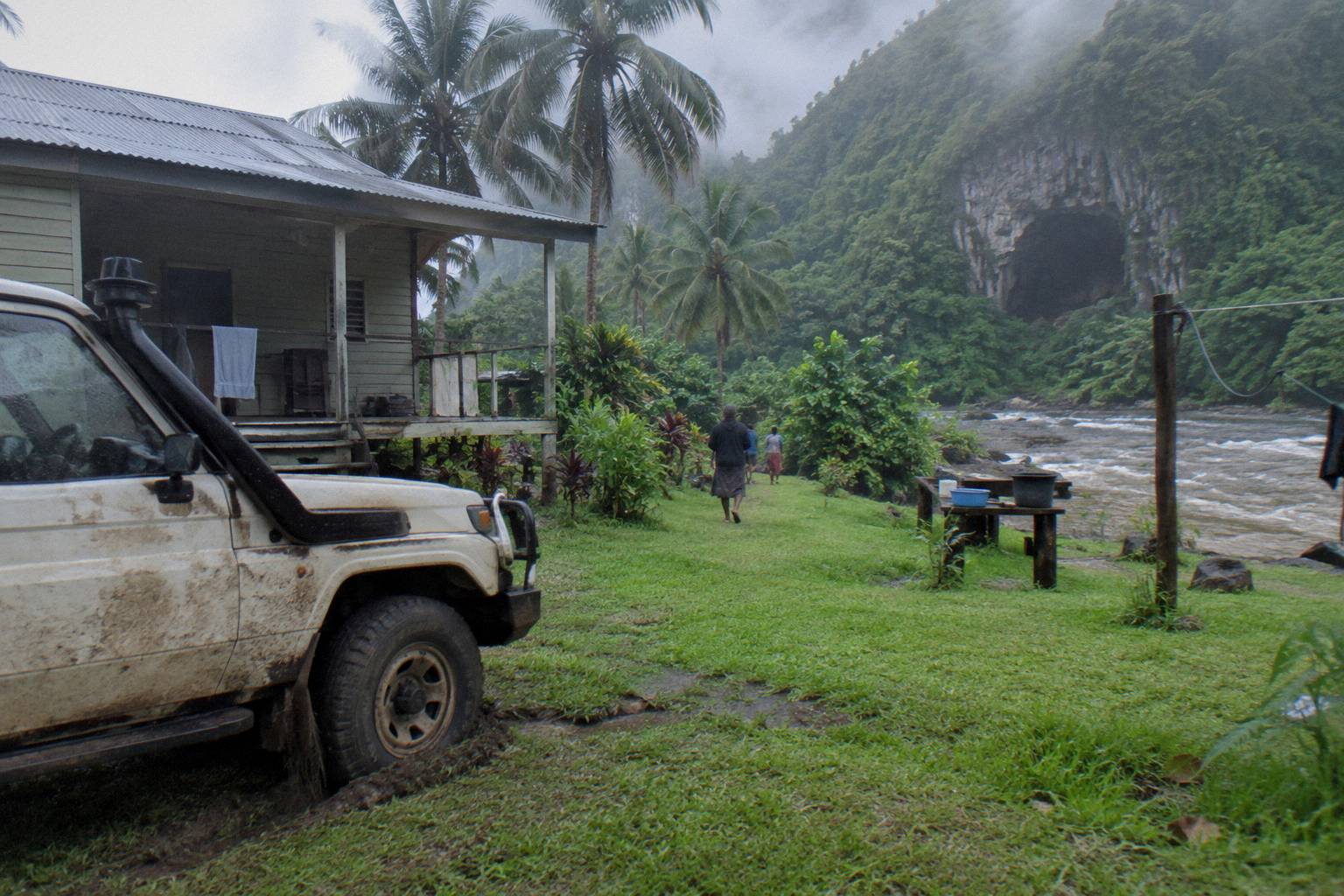
One operator describes the cave as Fiji's largest cave system, and says its centrepiece is a natural underground spring, the main chamber where the clan lived, and the cannibal oven, with the cave's role in ending tribal warfare over a century ago. Those are that operator's descriptions, printed as such. The Fiji Times adds the physical detail of the approach: lantern-lit hall chambers lead to a gap into a huge chamber. Sevusevu is the frame around the whole visit, and understanding it beforehand is what turns the start of the tour from a wait into the point.
For a fuller, respectful treatment of the cave's interior and its history, see the inside Naihehe Cave guide. The history there is told with the same restraint used here, because the village that guards the cave is the same village that hosts the sevusevu.
Common Mistakes When Joining A Village Kava Ceremony
The mistakes are predictable: treating sevusevu as a tourist show, assuming you must buy or bring kava when no source states it, carrying the jet boat's dress rules to the cave visit, expecting to skip the ceremony and go straight to the cave, and forgetting dry clothes for the BBQ lunch. Each one is avoidable with a single fact from the sources.
The first mistake is assuming an offering must be purchased. No source states a kava price, weight or quantity for the cave tours; the operator states optional small gifts or donations are appreciated, not required, and tipping is at your discretion. Money carried casually covers what is actually stated. The second is carrying dress rules across products. The jet boat village visit supplies sulus at check-in and asks for shoulders and knees covered; that is the jet boat's custom, and the cave tour's stated dress guidance is the complimentary sulu for ladies given by the cave operator.
The third mistake is treating the ceremony as optional scheduling dead time. On the stated schedule the sevusevu comes before the cave, and the booking page for the cave safari names seeking permission as part of the experience, so plan the morning around it rather than around it. The fourth is arriving unprepared for the physical day: the operator's advisory names wet uneven cave surfaces, wading shallow water, and crouch-and-climb sections, so wettable footwear and a change of clothes matter as much as the sulu. The fifth, and the one that matters most to the hosts, is treating the welcome as a performance. The sources describe family, a blessing and a shared meal; meeting that in kind is the whole ask.
Which Tour Should You Book For The Custom?
If the sevusevu and kava ceremony are the reason you are reading, the Naihehe cave safari with BBQ lunch is the one to shortlist, since cave entry runs through that village custom before its off-road drive, cave visit and barbecue lunch, from $138.06 per person, rated 5.0 across 490 reviews. The cave-and-village tour with transfers is the cheaper cave option from US$99 with transfers; the village and school-visit trip adds a local school visit from US$181.20.
Choose by what the day is for. If the ceremony is the heart of it, the safari's own booking page keeps the account simple: the off-road drive into the valley, the guided visit inside the cave, and a barbecue lunch to close. If price and pickup convenience lead, the cave-and-village tour with transfers lists 8 pickup locations around Sigatoka at the lowest from-price of the three, with the cave-name question to check first. If a school visit alongside the village appeals, the village and school-visit trip is the only listed tour that names one, at the highest from-price of the three cave options and with only 1 review so far.
The table below compresses that decision into the facts that separate the three cave tours.
| If This Is Your Priority | The Tour That Fits | Why |
|---|---|---|
| The stated BBQ lunch after the off-road drive and cave visit | The Naihehe cave safari with BBQ lunch, from US$138.06 | Its booking page names an off-road leg, the cave visit and a BBQ lunch; rated 5.0 across about 490 reviews |
| The lowest from-price with hotel pickup | The Sigatoka cave and village tour, from US$99 | Hotel pickup at 8 resorts from Denarau to the Coral Coast; check the cave-name question on the booking page before booking |
| A local school visit alongside the village | The cave tour with Fijian village and school, from US$181.20 | The only listed tour naming a school visit; pickup from Coral Coast resorts at 8:30am, 1 review |
What none of the choices changes is the custom itself. Whichever cave tour you book, the shape of the morning holds: an off-road drive inland through the Sigatoka Valley, a kava ceremony that opens the way, and then the cave itself. The safari adds a BBQ lunch on the return. The Naihehe Cave Tours pages here exist to help you pick the vehicle and the price, not to renegotiate the courtesy the village asks. Bring the sulu you are given, the dry clothes you packed, and the patience the schedule deserves, and the custom does the rest.
Common Questions About Kava And Sevusevu On A Naihehe Cave Tour
What Is Sevusevu On A Naihehe Cave Tour?
Sevusevu is a kava ceremony in which the group seeks the permission and blessing of the village priest (bete) before entering Naihehe Cave, which sits on village land. One operator states guests are welcomed as family and offered a taste of kava, and the Fiji Times reports that whoever wishes to enter the cave must seek the priest's permission.
Do You Have To Drink Kava At The Ceremony?
The sources state only that guests are offered a taste of kava. No source states a required quantity to drink, and no source addresses declining; if that question matters to you, ask on the booking page before you book.
Do You Need To Bring Or Buy Kava For Sevusevu?
No source on the cave tours states a kava weight, quantity or price to bring. One operator states that optional small gifts or donations are appreciated, not required, and that tipping is at your discretion.
What Should Ladies Wear At The Priest's House?
On the off-road cave safari with BBQ lunch, the operator provides the lunch and guides the ride and cave visit, so check the live booking page for what to bring and what is included before you pack. No source states a dress code for men on the cave tours.
Which Tours Include The Kava Ceremony?
Of the eight tours covered, three visit a cave. The Naihehe cave safari with BBQ lunch states the traditional kava ceremony on its booking page; the Sigatoka cave and village tour with lunch and transfers states a village tour and lunch, with the kava detail not stated; the cave tour with a Fijian village and local school names the village visit, with the kava detail not stated. Five tours visit no cave at all.
Does The Ceremony Happen Before Or After The Cave?
Before. One operator's schedule places the village stop and sevusevu before the cave exploration, with the barbecue lunch at the priest's residence afterward, and the BBQ-lunch cave safari booking page names seeking permission to enter the cave as part of the experience.