
What To Bring To A Naihehe Cave Tour
The short version of the Naihehe cave packing list comes straight from the operator's own advisory: wettable footwear and a change of clothes. Almost everything else people assume they need is either supplied or simply not stated anywhere.
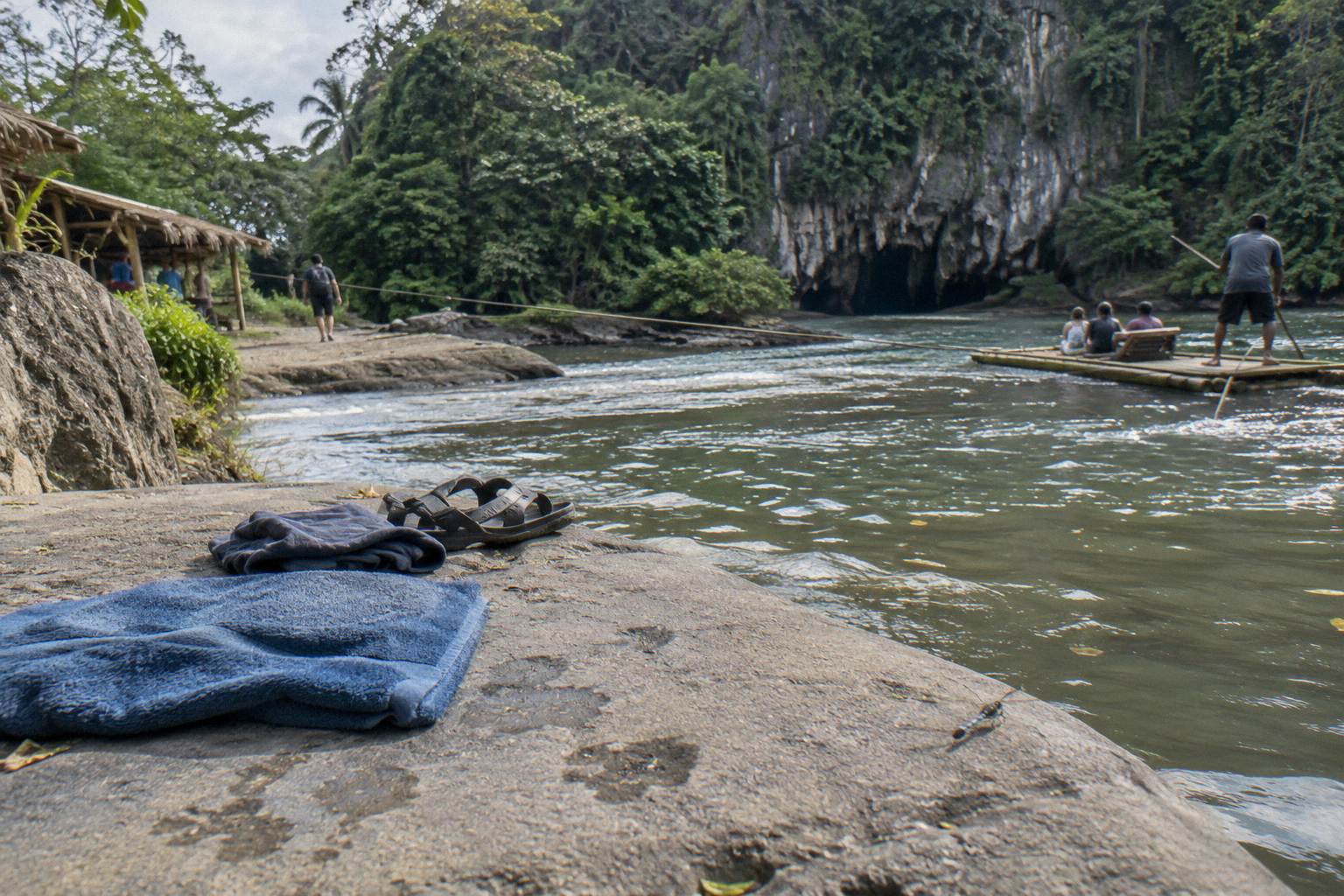
Short answer
Bring wettable footwear and a change of clothes, says the off-road cave safari operator's own advisory. A sulu for ladies and bottled water are supplied on that safari, and headlights are used in the cave per the booking page. No other item is stated by any source, so treat every further suggestion as your own judgement, not a requirement.
Two items are stated outright by the operator behind the classic off-road cave safari: wettable footwear and a change of clothes. Its home page adds that a complimentary sulu for ladies and bottled water are supplied, and the booking page for the Naihehe cave safari with BBQ lunch covers the off-road drive, the guided cave visit and a barbecue lunch, so packing runs to sturdy shoes and dry clothes rather than torches. Everything beyond that is either not stated or belongs to a different tour.
Packing advice for cave tours tends to grow by word of mouth. Someone adds insect repellent, someone else adds a waterproof phone pouch, and within a few paragraphs a two-item advisory has become a checklist nobody actually sourced. This page takes the opposite approach: every item below is tied to the operator page, booking page or weather service that states it, and where a source says nothing, that gap is named rather than filled.
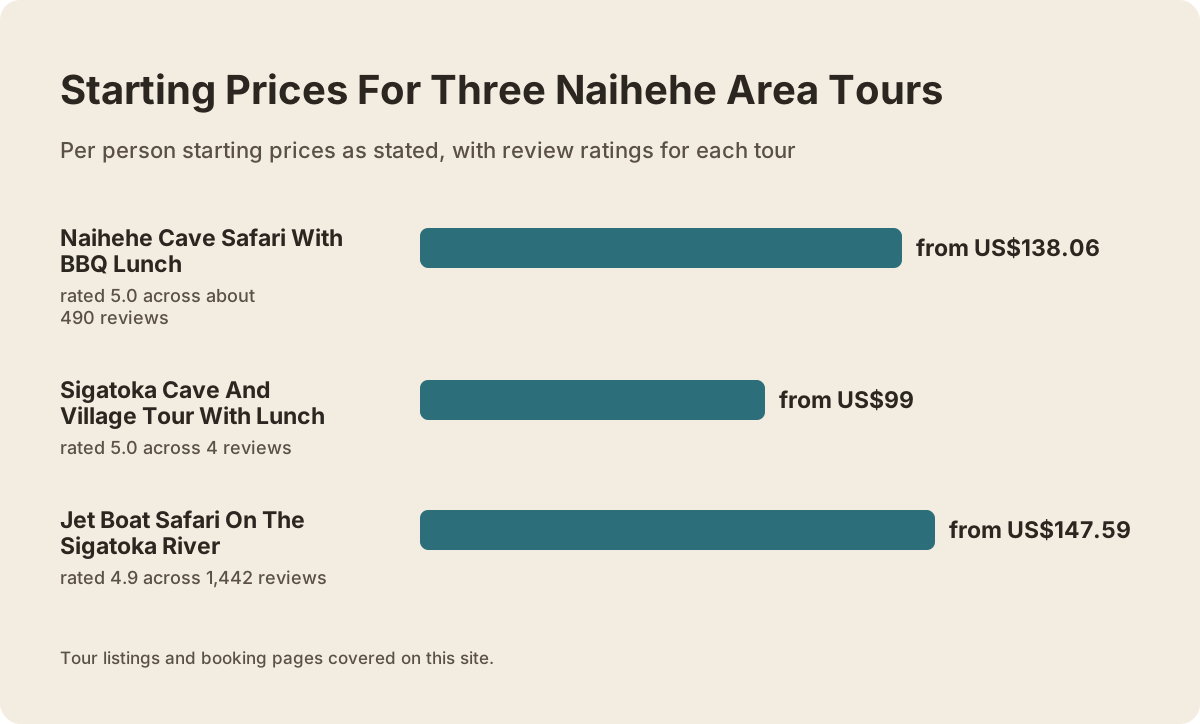
That matters because the packing reality differs by product. The Naihehe cave safari with BBQ lunch (off-road, river crossing, about 4.5 hours) is a wet, uneven, half-day trip with a village ceremony at its start, from US$138.06 per person and rated 5.0 across about 490 reviews. The Sigatoka cave and village tour with lunch and transfers, from US$99 per person, runs 4.4.5 hours from hotel pickup at 8 named resorts from Denarau to the Coral Coast. The cave tour with a Fijian village, local school visit and light lunch, from US$181.20 per person, starts with pickup from Coral Coast resorts at 8:30am. For the shape of each day, see how long the Naihehe cave tour runs.
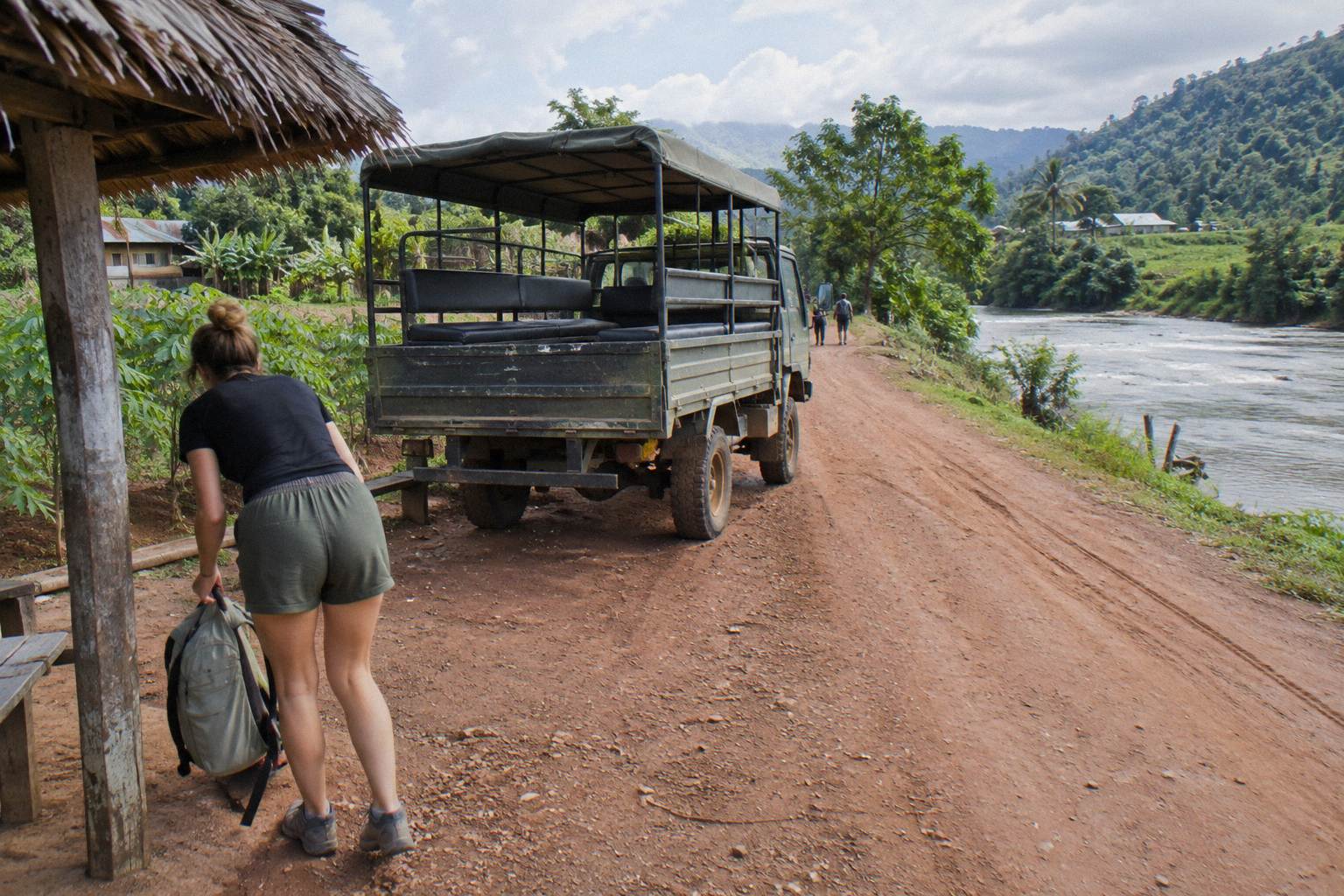
There is a second reason to keep the list tight: the day has a stated rhythm, and every item you carry has to live in a vehicle, on a raft, through a village ceremony and into a dark cave before it earns its place. A bag built around two stated items plus your own judgement travels better through that rhythm than a bag built around a list nobody can source. The sections below take each part of the day in turn: what you bring, what arrives with the tour, the physical reasons behind the footwear advice, the season, the mistakes people make, the custom items, and a worked example that walks one published schedule from start to finish.
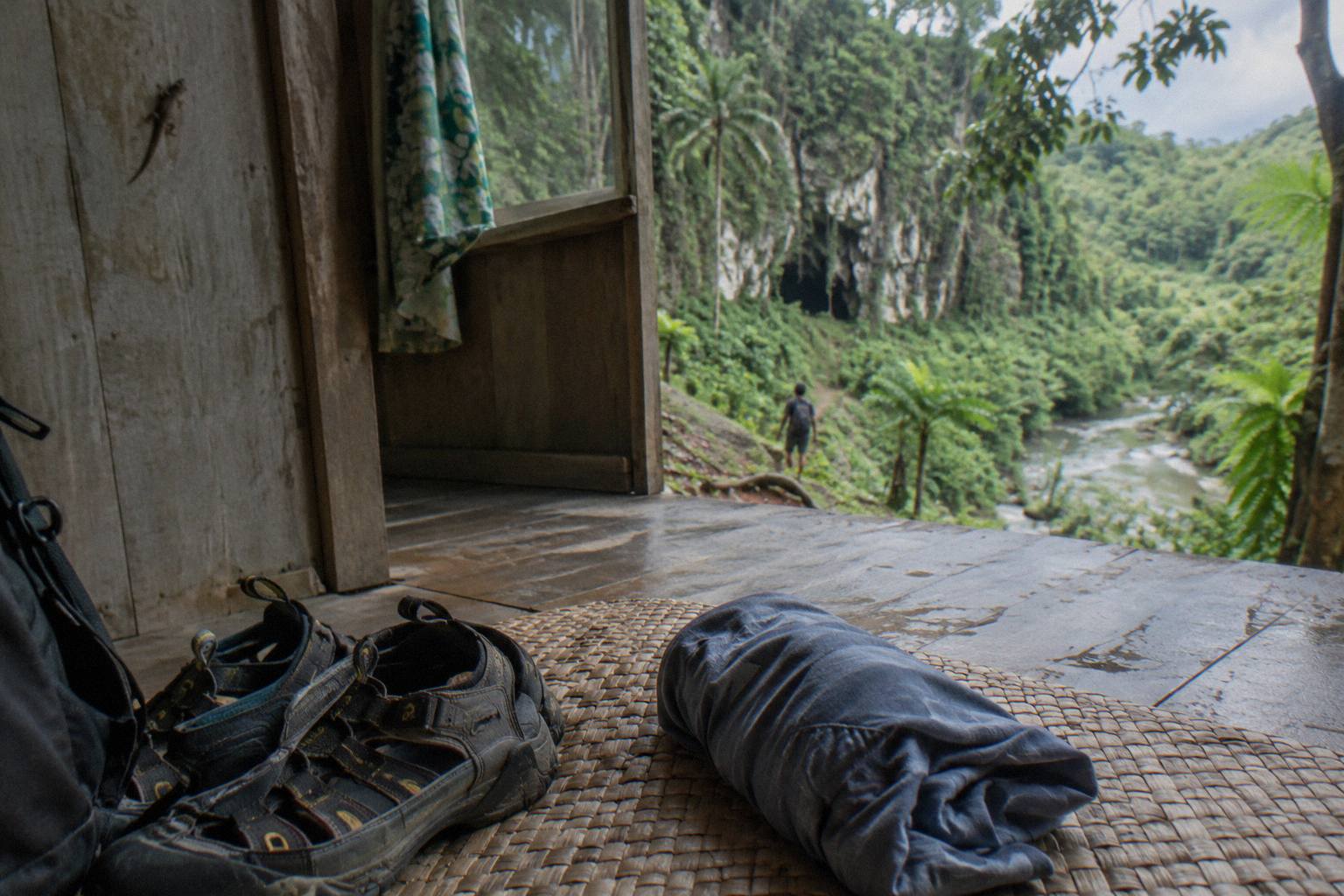
The Packing List Stated By The Sources
The stated list for the off-road cave safari is exactly two items you bring yourself: wettable footwear, and a change of clothes. That comes from the operator's own advisory, which pairs them with a physical description of the day, strenuous off-roading and wet, uneven cave surfaces. No source for any of the three cave tours adds a third mandatory item, so a third item is a preference, not a requirement.
The advisory makes sense once you picture the day the operator describes. Its schedule has an off-road leg by custom 4x4 with a river crossing, a village stop with a kava ceremony, the cave itself, then a barbecue lunch and a chance to swim in a freshwater pool or river before returning. Footwear that can get wet and stay on your feet covers the river crossing, the wading inside the cave and the optional swim. The change of clothes covers the same three moments in reverse.
The booking page for the Naihehe cave safari with BBQ lunch spells out the day: an off-road leg into the valley, the cave visit, and a barbecue lunch. So the footwear question is not whether your shoes will get wet, it is when. The same listing does not mention lighting at all, so bring your own torch or headlamp for the cave. Between the operator's advisory and the booking page, the kit question for the safari day is answered in full by two sources that both describe the same product.
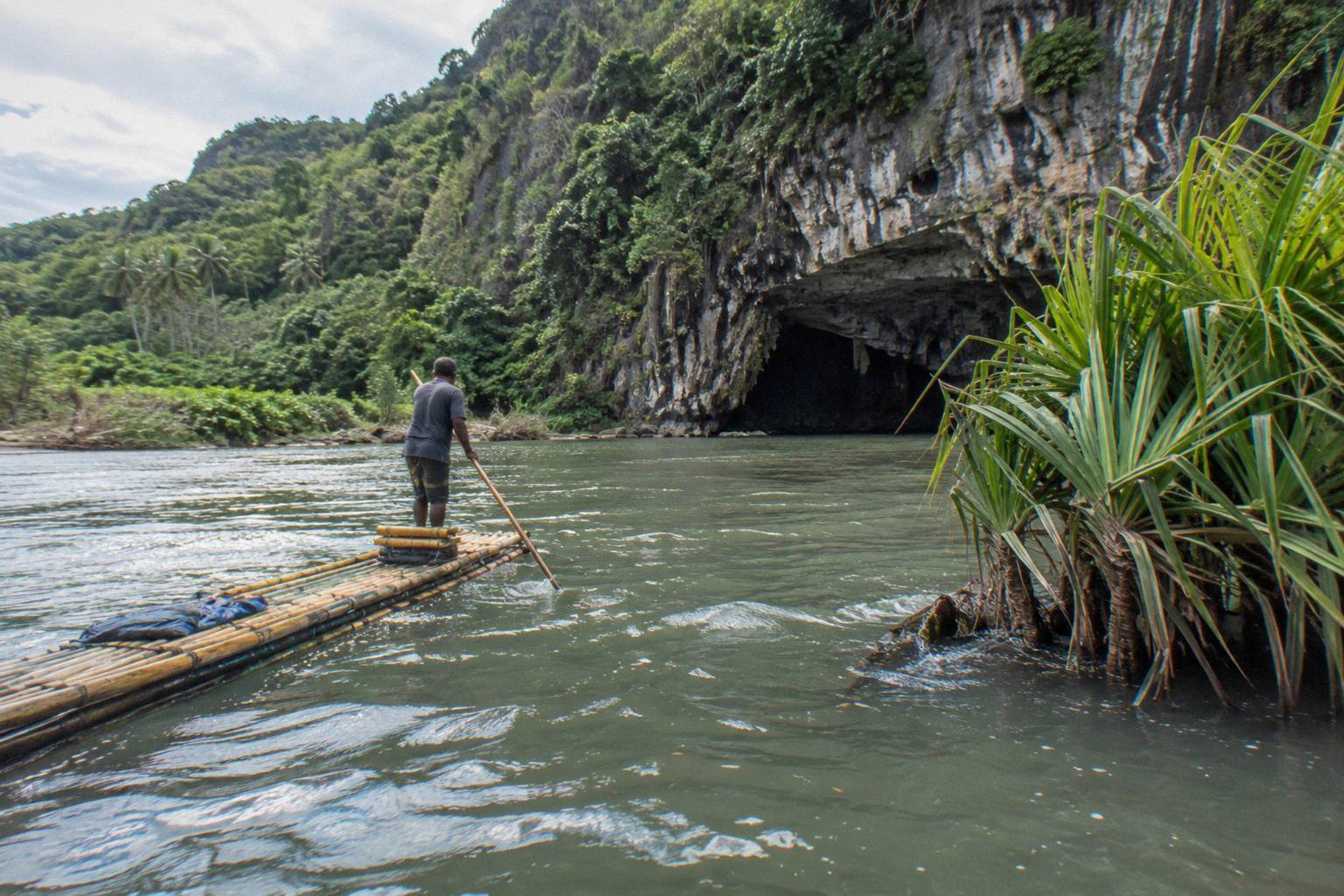
Here is the full list of stated items against the source for each:
| Item | Bring Or Supplied | Source That States It |
|---|---|---|
| Wettable footwear | You bring | Operator FAQ and physical advisory |
| Change of clothes | You bring | Operator FAQ and physical advisory |
| Sulu for ladies | Supplied, complimentary | Operator home page |
| Bottled water | Supplied | Operator home page |
| Headlights | Used in the cave, per the booking page | Booking page for the cave safari |
| Safety equipment | Mandatory equipment is used in the cave | Operator FAQ |
| Fijian BBQ lunch with fresh fruit and juice | Included | Booking page for the cave safari |
| Kava ceremony | Included, with a taste of kava offered | Operator page and booking page |
One honest boundary: the list above belongs to the off-road cave safari operator and the booking pages for that safari. The operator's terms are not automatically the terms of any other tour, and the other two cave tours state their own inclusions on their booking pages. Check the page for the tour you actually hold before packing to this table. If a booking page for your tour is silent on an item, that silence is the answer: not stated, and your own judgement fills the gap.
If you have not yet fixed which cave tour you are packing for, these are the three that involve a cave:
What Is Supplied Before You Even Unpack
A sulu (sarong) is the polite thing to wear for village stops on the valley itineraries, and the listings do not promise to supply one, so pack your own rather than counting on the operator. Bottled water is also supplied, the barbecue lunch is included with fresh fruit and juice, and a taste of kava is offered during the ceremony rather than brought by guests. That removes three common packing-list entries in one stroke.
The sulu detail deserves a moment, because it removes both a purchase and a worry. The sevusevu custom is part of entering Naihehe, since the cave sits on village land, but this safari's listing covers only the BBQ lunch, the off-road leg and the cave visit, so bring modest village-appropriate clothing of your own. For men, no dress code for the cave tours is stated beyond that, and none should be invented. What the ceremony itself involves is covered in detail on kava and sevusevu for visitors on a village cave tour.
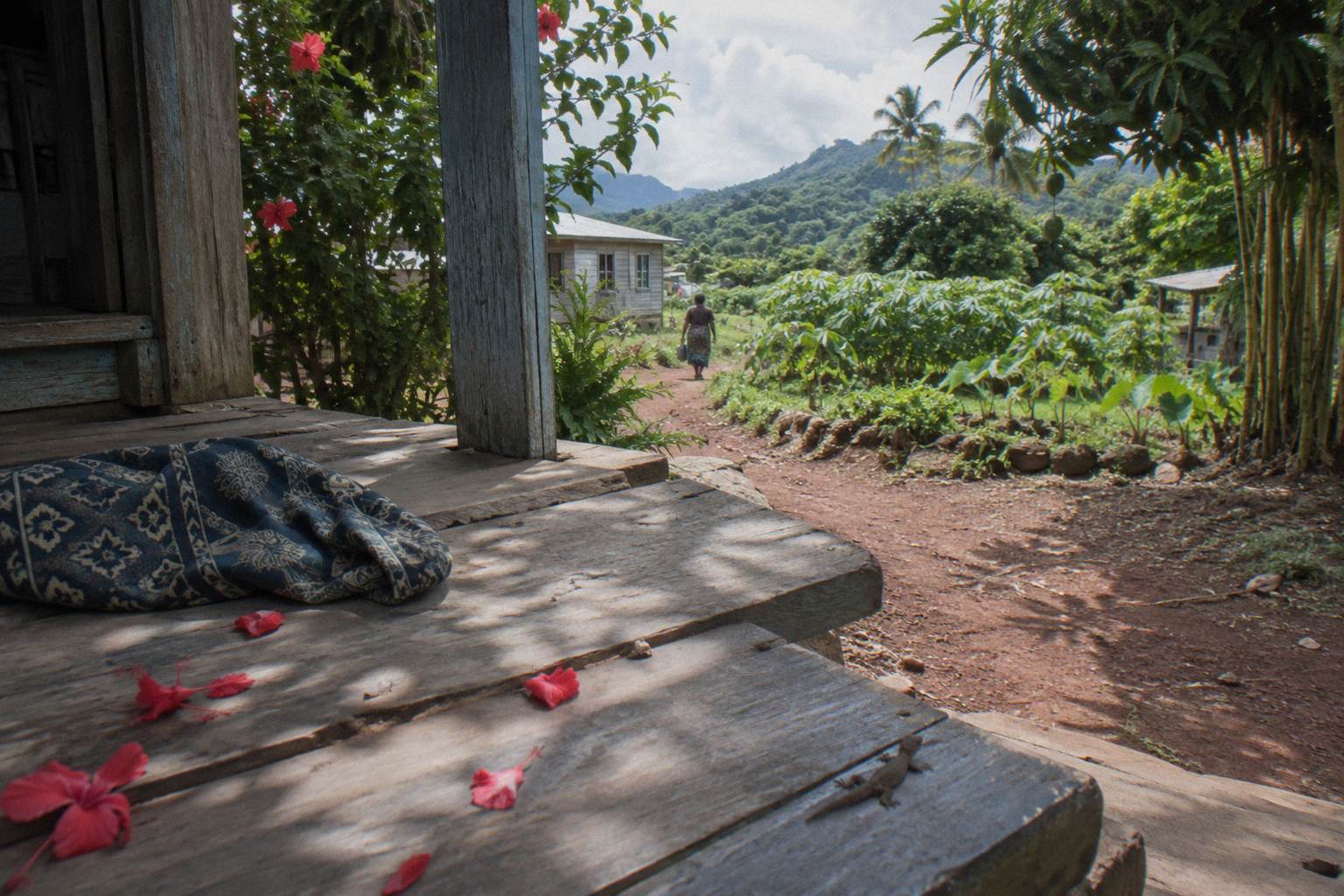
Gifts are the other thing people over-pack. The operator states that optional small gifts or donations are appreciated, not required, and that tipping is at your discretion. Read that pairing carefully: nothing in the stated custom obliges you to carry a gift, and no kava weight, quantity or price is stated by any source, so buy nothing on the assumption that a quantity is expected. If you want to bring something small, that is a stated option, not a stated norm.
Here is the supplied-versus-brought split in one view:
| Category | Items | Source |
|---|---|---|
| You bring | Wettable footwear, change of clothes | Operator FAQ and advisory |
| Supplied for the visit | Complimentary sulu for ladies | Operator home page |
| Supplied for the day | Bottled water | Operator home page |
| Included in the tour | BBQ lunch with fresh fruit and juice | Booking page for the safari |
| Included in the tour | Off-road leg, cave visit, BBQ lunch | Booking page for the safari |
| Optional, not required | Small gifts or donations; tipping at your discretion | Operator page |
Why Wettable Footwear Is The One Item Not To Get Wrong
The operator's FAQ is specific about the cave interior: you crouch and climb over boulders in places, and you wade shallow water ankle-deep or slightly higher, on wet, uneven surfaces. Footwear that cannot get wet, or that cannot grip and stay on while wet, fails at exactly the moments the tour is built around. This is the single packing decision with a stated physical reason behind it.
The advisory also names who should think twice about the whole day, not just the shoes. The operator's physical advisory says the safari involves strenuous off-roading and wet, uneven cave surfaces, and is not recommended for people with back problems or pregnancy. Its FAQ adds that moderate fitness is needed and that the tour is generally suitable for children 5 and over. None of that is packing advice, but it shapes what you pack: a day of crouching and boulders rewards clothes you can move and get wet in, and the stated change of clothes earns its place in the bag.
Notice what the sources do not say about footwear. No source names a brand, a type or a standard, no source bans any kind of shoe, and no source says anything at all about the road surface or the mud on the day. "Wettable" is the whole of the stated requirement, applied to the river crossing, the cave wading and the optional swim together. That breadth is worth pausing on: one pair of shoes has to serve a raft crossing, a wet cave floor with boulders, and a freshwater or river swim, so the test is whether the footwear works in all three settings, not whether it is ideal in one of them.
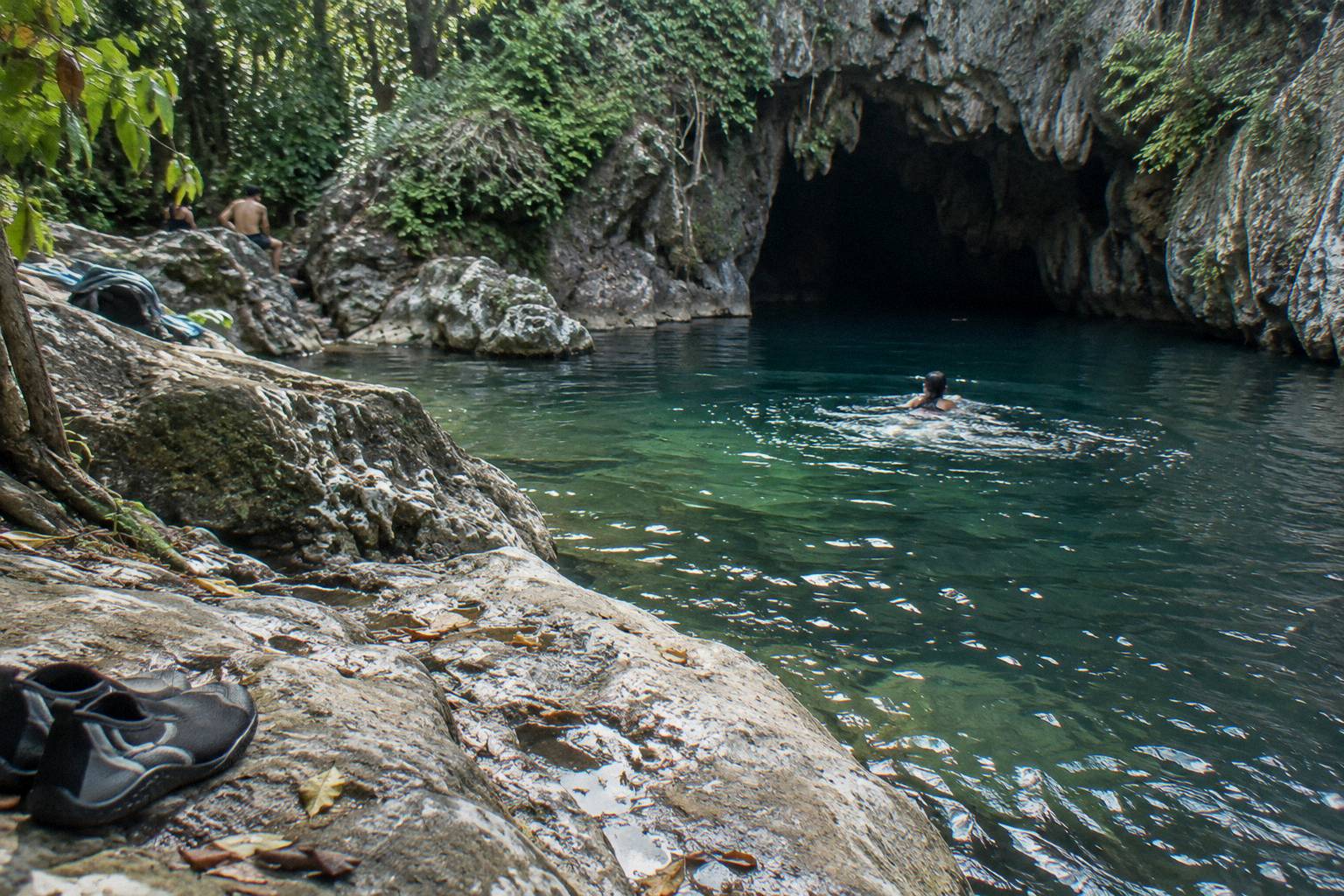
The same honesty applies to cameras and phones. No source on any of the three cave tours states camera advice, water protection or a photography policy, so nothing can be printed here as fact. The cave interior is dark by nature; how you protect or use a camera in that light is your own judgement, as the listing sets no rule on it. Anyone wanting to see what the day looks like before deciding what camera kit, if any, to carry can browse photos from inside Naihehe cave.
What The Weather Service Says Before You Pack
The Fiji Meteorological Service expects 11 to 15 tropical cyclones in its region between November 2026 and April 2027, against an average of about seven, with the wet, warm season running roughly November to April and the peak in January and February. That is the only weather framing a packing decision can rest on: no rainfall figure, temperature or river-level number for Sigatoka is stated by any source, so none appears here.
What the season means for your bag is modest and honest: in the wet months, the stated change of clothes and wettable footwear matter more, and a rain layer is ordinary judgement rather than a stated requirement. The Fiji Meteorological Service cyclone outlook is the page to read before a November to April trip, since it is the authority behind the season statement above.
Weather also sits inside the cancellation picture, which is a packing-adjacent question people ask at this stage. The operator's own terms say it may cancel or amend for unforeseen circumstances including severe weather or road safety, with a full refund or reschedule typically offered. A booking page for the Naihehe cave safari with BBQ lunch states free cancellation up to 24 hours before the start for a full refund, on that safari only. The full picture, including the operator's own fee bands for late cancellations, is laid out in cave tour booking and cancellation terms.
One tax note belongs beside any packing budget. The Fiji Revenue and Customs Service notice says a 5 percent Tourism Services Tax commences on 1 September 2026; whether any listed tour charges it is not stated, so check what your booking page shows at checkout rather than packing a calculation nobody can verify.
| Season | Months (Per The Weather Service) | Packing Read |
|---|---|---|
| Wet, warm season | Roughly November to April | The stated change of clothes and wettable footwear carry more of the day |
| Cyclone peak | January to February | Read the outlook before booking a wet-season date |
| Cool, dry season | May to October | The same two stated items still apply; the cave is wet year round |
| Cyclone outlook 2026 to 2027 | 11 to 15 expected in the region, average about seven | Above-average activity is forecast |
What Trips People Up When Packing For A Naihehe Cave Tour
The mistakes are all import errors: buying a sulu when one is supplied, bringing gift kava when no quantity is stated as expected, copying the jet boat village dress code onto a cave tour, and treating the off-road operator's advisory as the rule for all three cave tours. Each one comes from carrying a fact across a boundary its source never crossed.
The jet boat error deserves its own sentence, because it is the most tempting. The jet boat safari on the Sigatoka River, from US$147.59 per person and rated 4.9 across 1,442 reviews, is the most reviewed of the eight tours covered, and its operator publishes detailed village dress guidance: shoulders and knees covered, a sulu supplied at check-in, hats and sunglasses off before the chief's house. That guidance belongs to the jet boat's village visit only. None of it may be carried to a cave tour, whose only stated dress item is the complimentary sulu for ladies on the off-road safari.
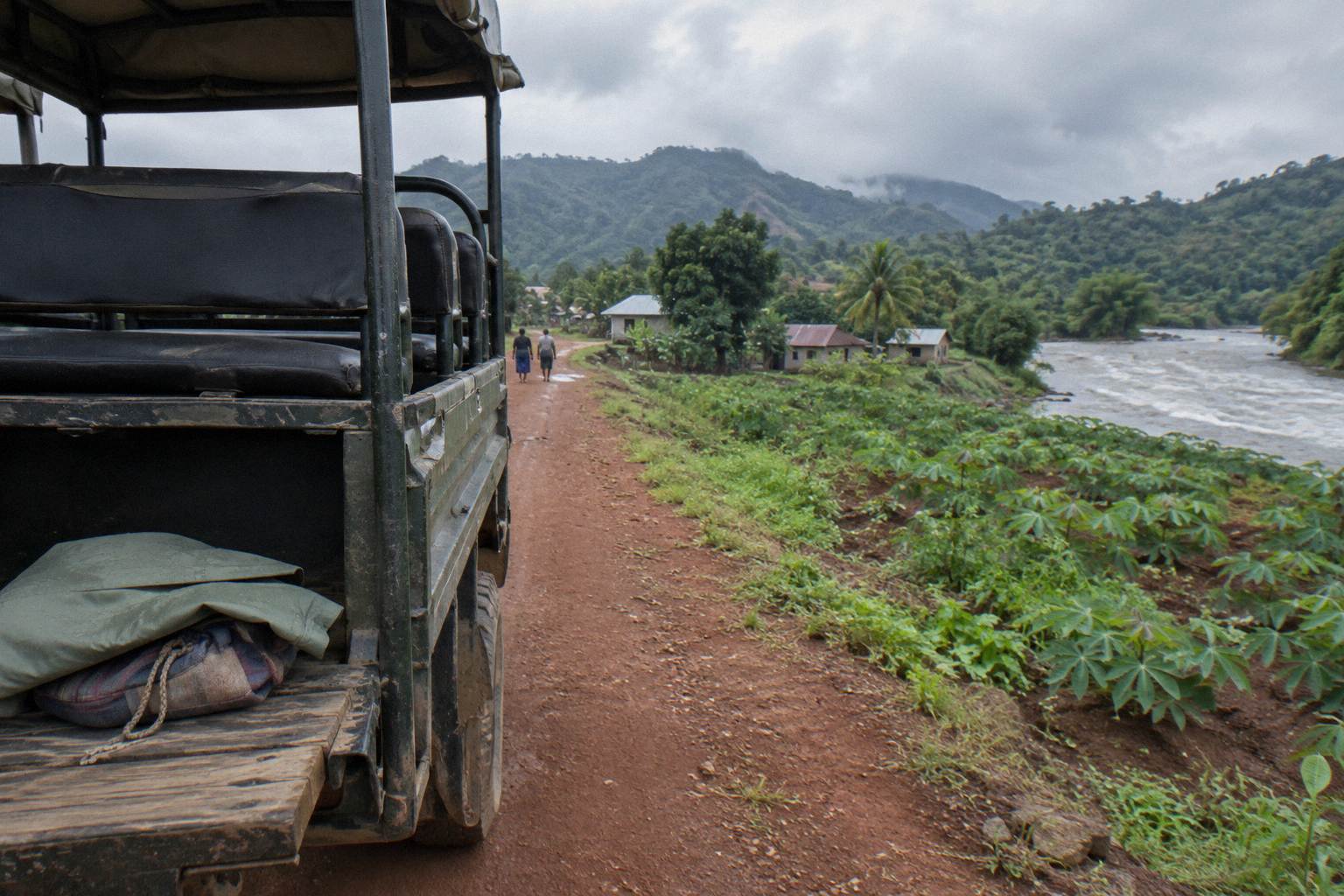
The second temptation is padding the list. Insect repellent, dry bags, sunscreen, hats: none of these is stated by the operator or any booking page for the cave tours. They may well be sensible on a Fiji day, but a packing article that prints them as requirements would be inventing, and the plain form is to say they are not stated and leave the judgement with you. For the other end of the day, what happens on a Naihehe cave tour walks the schedule the operator publishes.
The third is assuming the two transfers tours match the safari. The Sigatoka cave and village tour with lunch and transfers lists 8 pickup locations running from Denarau to the Coral Coast, Wyndham Denarau and Shangri-La Yanuca Island among them, from US$99 per person, rated 5.0 across 4 reviews; the listing includes hotel pickup, a village kava ceremony, a light lunch, and about 45 minutes in the cave as the operator describes it. The cave tour with a Fijian village, local school visit and light lunch starts with pickup from Coral Coast resorts at 8:30am, from US$181.20 per person, and has one review. Neither states the off-road operator's kit advisory, so pack from their own pages.
The Custom Items: What The Priest's House Asks Of Your Bag
The only stated custom items are already covered by the tour itself: the sulu for ladies is supplied, the kava for the sevusevu is part of the ceremony, and gifts are optional and appreciated rather than required. The Fiji Times reports that whoever wishes to enter the cave must seek the permission of the priest, or you might get lost, and the ceremony happens before the cave, not as something you carry to it.
That permission framing comes from the village side of the day. The Fiji Times names the cave guardians as being from Sautabu village, and the Fiji Times report on the cave records the priest's role in granting entry. The operator's version is that the group takes part in sevusevu at the home of the village priest, described as the cave's spiritual caretaker, for a blessing believed to bring safe entry and return, with guests welcomed as family and offered a taste of kava. Lunch is served at the priest's residence, and a portion of each tour supports the community.
For your bag, the practical reading is short. Nothing in the stated custom asks you to bring an object. The sulu arrives with the tour, the kava arrives with the ceremony, and a small gift is a stated option for those who want one, with tipping at your discretion. If your packing plan for this part of the day is "bring nothing, arrive respectful", it already matches every stated source. The fuller etiquette, including how the operator frames the welcome and what the ceremony asks of guests rather than of luggage, sits in Naihehe cave village and sevusevu etiquette.
A Worked Packing Example For The Safari Day
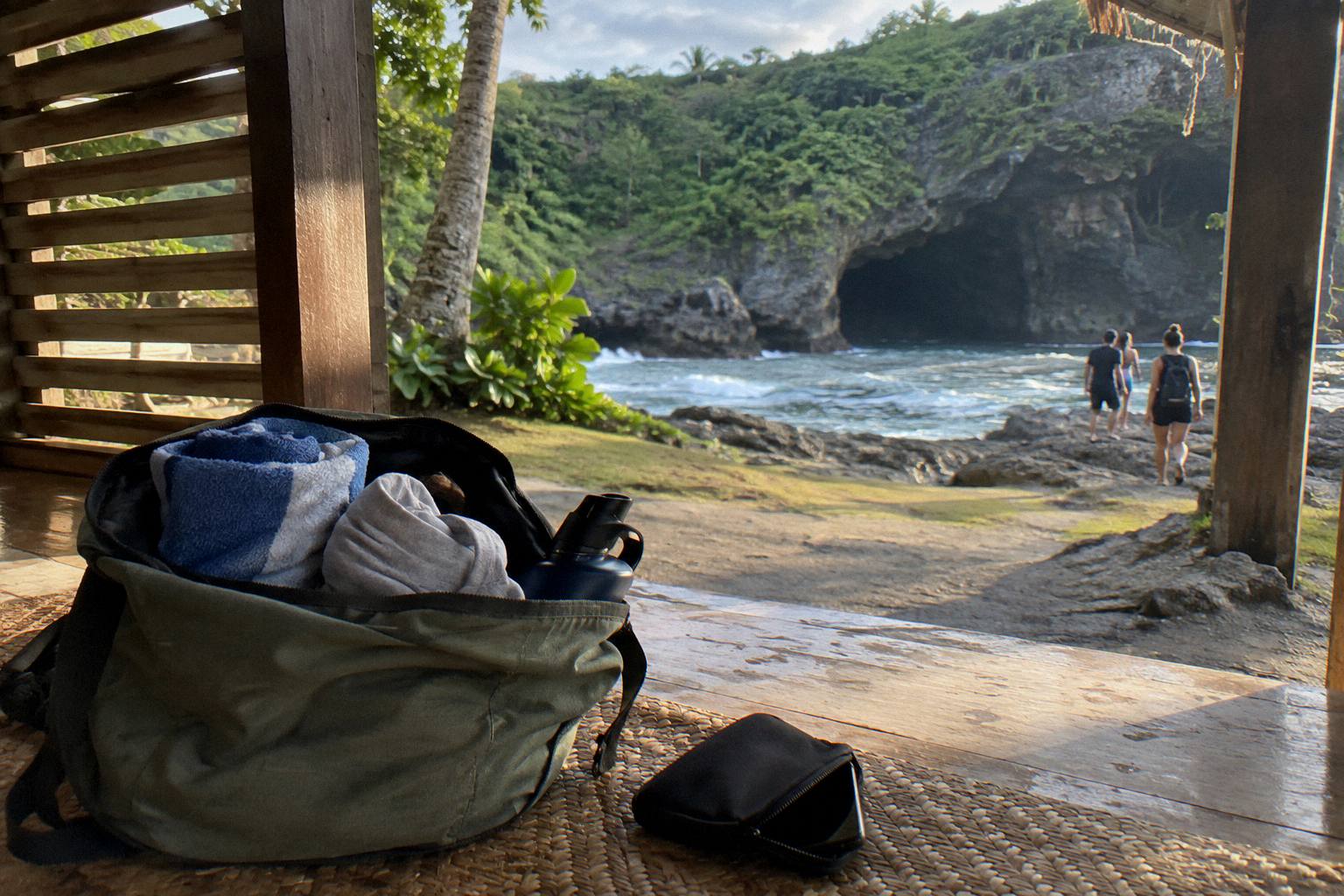
Walk the operator's published schedule for the Naihehe cave safari with BBQ lunch and every stated item lands at a specific point: an 8:45am departure from Sigatoka Town, the off-road leg about 9:25 to 10:05, the village and sevusevu, the cave, then lunch and an optional swim, back about 12:30 to 1:00. The timeline is the simplest test of whether you have packed enough, or too much.
Step through it minute by minute. Wettable footwear carries the off-road leg in and the walk through the cave itself, the parts of the day when damp feet are likeliest. The change of clothes goes on after that swim, or after the cave if you skip the swim, and matters for the drive back. Ladies should pack their own sulu, the respectful choice for a village visit in the Sigatoka Valley. Bottled water and the barbecue lunch with fresh fruit and juice arrive with the safari. Headlights and the mandatory safety equipment sit inside the cave portion, per the operator's FAQ and the booking page.
What remains in your bag at the end of that walk-through is personal kit nobody stated: sun protection for the open stretches, whatever you want for the off-road leg the listing describes on the way in, and any camera gear, judged by you in a cave the listing only says you will explore. If you are still choosing between this safari and a cave tour that includes transfers, the cave tour with lunch and transfers compares the stated inclusions side by side, and Naihehe Cave Tours keeps the full set of options in one place.
| Point In The Operator's Day | Stated Kit That Carries It | Yours Or Supplied |
|---|---|---|
| Off-road leg with river crossing | Wettable footwear | Yours |
| Village sevusevu | Complimentary sulu for ladies | Supplied |
| Cave exploration | Headlights, mandatory safety equipment, wettable footwear | Supplied and yours |
| BBQ lunch at the priest's residence | Lunch with fresh fruit and juice, bottled water | Supplied |
| Optional swim, freshwater pool or river | Wettable footwear, change of clothes | Yours |
| Return to Sigatoka Town, about 12:30 to 1:00 | Change of clothes already worn or ready | Yours |
If the packing question is settled and the booking question is not, these are the three cave options again, side by side:
Common Questions About Packing For A Naihehe Cave Tour
Do I Need To Bring A Sulu For The Village Visit?
Bringing a sulu on the off-road cave safari is the safe call: the tour crosses village land where the sevusevu custom applies, and no listing promises one will be handed out on the day. For men, no dress code beyond that is stated for the cave tours, and none should be assumed from other tours.
Should I Bring A Torch Or Headlamp For The Cave?
No. The booking page for the Naihehe Cave Safari with BBQ Lunch describes an off-road leg into the Sigatoka Valley, the cave visit, and a barbecue lunch on the tour. Lighting is the tour's responsibility, not yours.
Are Shoes Or Sandals Better For The Cave?
No source states a type or brand, only that footwear should be wettable. The operator's FAQ says you crouch and climb over boulders and wade shallow water ankle-deep or slightly higher, so choose whatever you can grip and walk in while wet, for the river crossing, the cave and the optional swim.
Should I Bring Kava As A Gift For The Sevusevu?
No source states an expected kava weight, quantity or price. The operator says optional small gifts or donations are appreciated, not required, and that the kava ceremony itself is part of the tour, with a taste of kava offered to guests. Bring a gift only if you want to, not because a quantity is stated.
Is Water Or Lunch Included, Or Do I Pack Food?
On the off-road cave safari, both are stated as included: bottled water on the operator's home page, and a Fijian barbecue lunch with fresh fruit and juice on the booking page for the safari. For the other two cave tours, check the inclusions on each booking page before packing food.
Does The Wet Season Change The Packing List?
The Fiji Meteorological Service puts the wet, warm season roughly November to April, with 11 to 15 tropical cyclones expected in the region to April 2027. The two stated items, wettable footwear and a change of clothes, matter more in those months, but no rainfall or river-level figure for Sigatoka is stated by any source, so no extra item can be printed as a requirement.