
Sigatoka Weather For A Cave Tour: Rain, Water Levels And Timing
Sigatoka sits on Fiji's Coral Coast, where the wet and warm season runs roughly November to April and the cool, dry months run May to October. Here is how that pattern, the cyclone outlook, and operator weather rules shape the day you pick for a Naihehe cave tour.
Short answer
The Fiji Meteorological Service says the wet, warm season runs roughly November to April and the cool, dry season May to October, with 11 to 15 tropical cyclones expected in its region from November 2026 to April 2027. Operators may cancel or amend for severe weather, and on the jet boat the captain decides. No monthly rainfall or river-level figures are published.
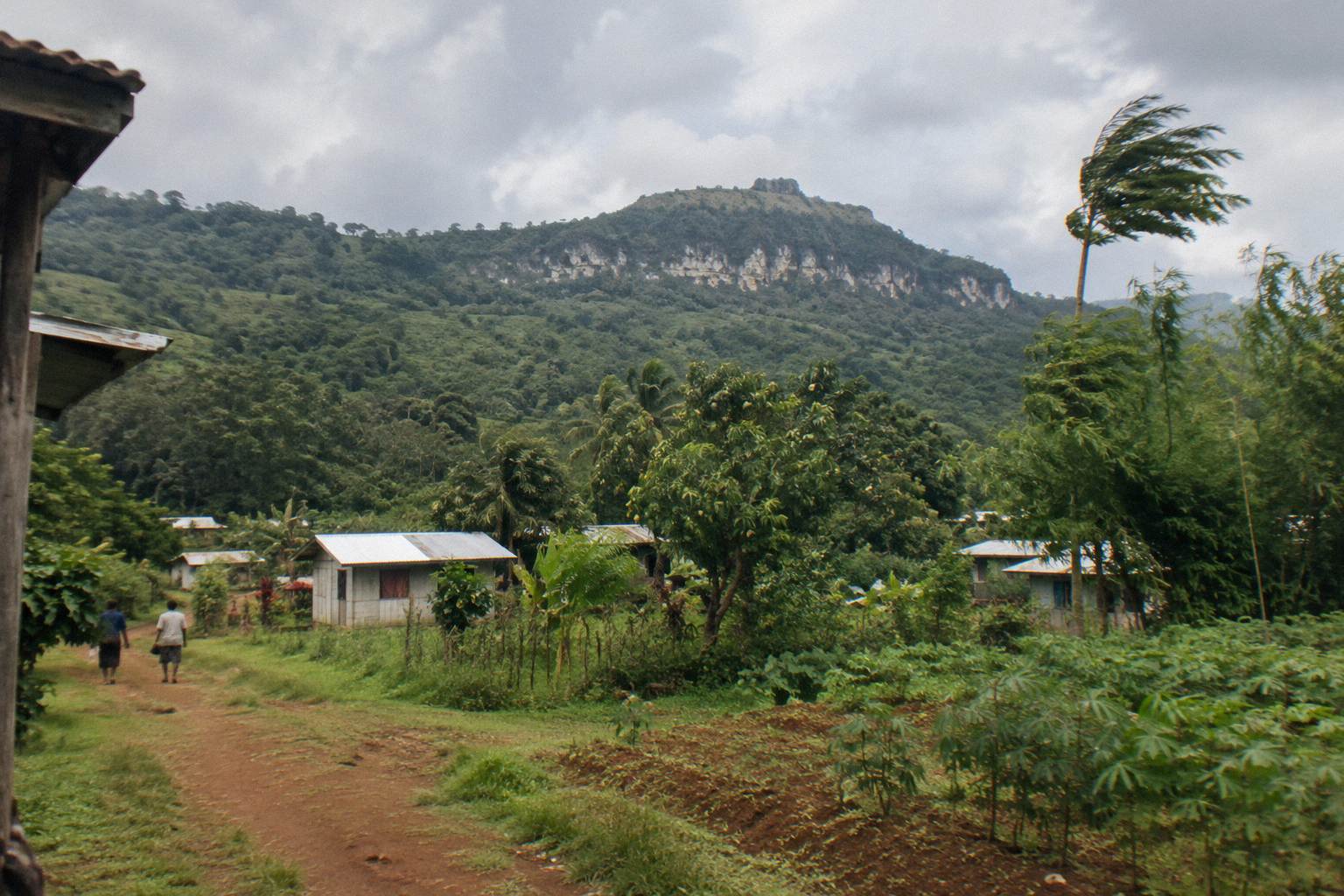
Rain shapes almost every decision on Viti Levu's Coral Coast, and a Naihehe cave tour is no exception. The cave sits inland of Sigatoka town in the Sigatoka Valley, reached by an off-road leg that crosses a river, so weather touches the drive, the crossing, the village visit and the cave itself. The Fiji Meteorological Service expects an above-average cyclone season from November 2026 to April 2027, which makes timing a live question for anyone booking in those months. This page sets out what the official outlook says, what each operator's stated weather policy allows, and how to read the two seasons against the eight tours covered here, without inventing rainfall numbers or river readings that no source publishes.
For background on the place, Sigatoka is the town at the mouth of the Sigatoka River on the Coral Coast, and the cave tours drive inland from there into the valley foothills.
What Is The Weather Pattern In Sigatoka?
Sigatoka follows Fiji's two broad seasons, described in region-wide terms by the Fiji Meteorological Service: a wet, warm season from roughly November to April and a cool, dry season from roughly May to October. The outlook expects 11 to 15 tropical cyclones in Fiji's region between November 2026 and April 2027, above the average of about seven and peaking in January and February, though no Sigatoka-specific rainfall, temperature or river figures are published here.
That two-season pattern is the single most useful planning fact, because it tells you which months carry the most uncertainty without pretending to a day-by-day forecast. The wet months are not a washout: they are the warm months, and tours operate through them, including the off-road cave safari, which the operator says runs Monday to Saturday. What changes is the risk that a given day is disrupted by heavy rain, and the chance, in the strongest events, of a cyclone affecting travel plans anywhere in the region.
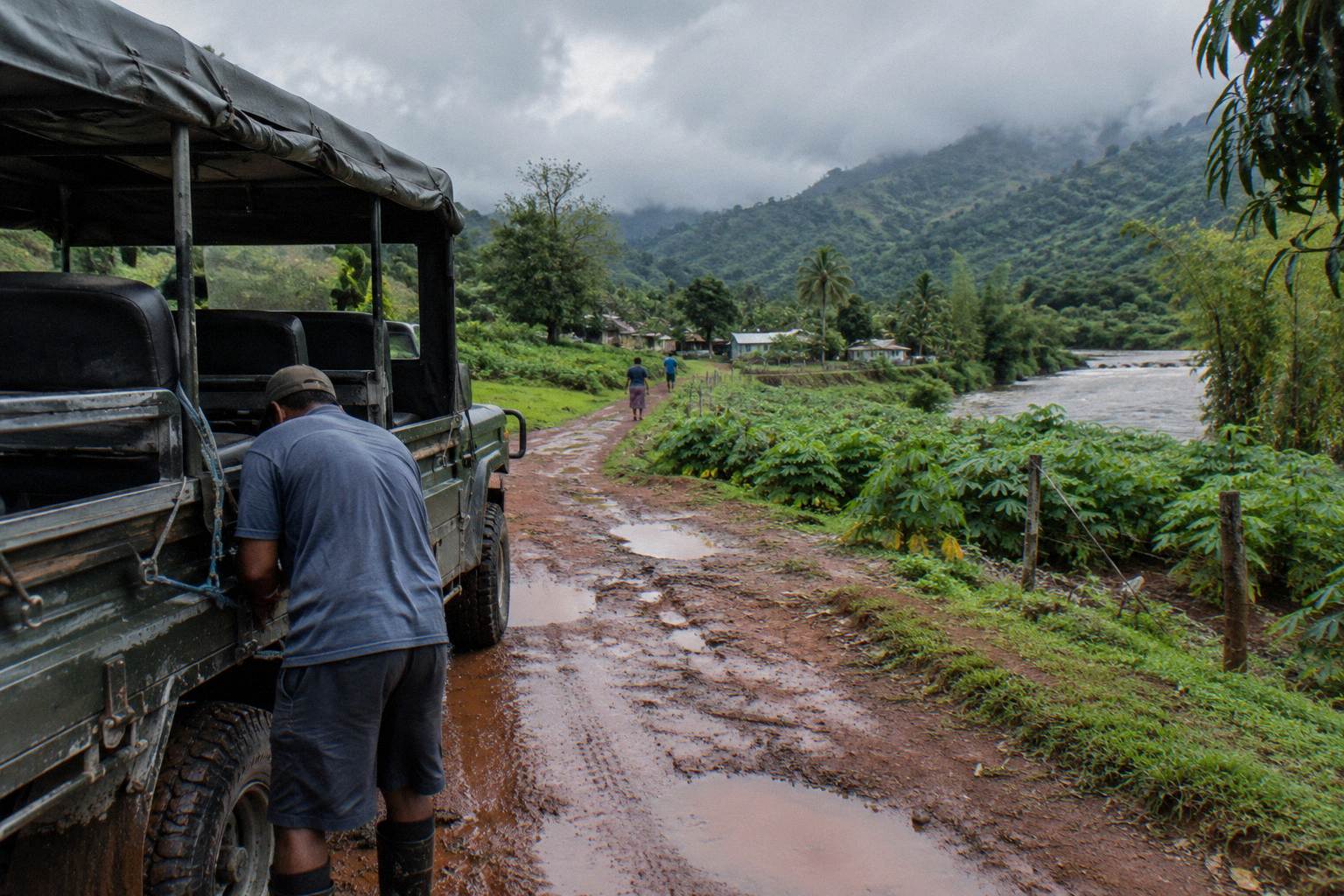
The dry season from May to October is the cooler half of the year and the one most travellers associate with reliable tour days. It is also, on the listings, a period when the cave safari's two daily departures, one at 8:45am and an afternoon departure about 1:00pm, are easiest to plan around, since a delay in the morning still leaves the afternoon option on the same operator's schedule if seats allow.
| Season | Months | What the official outlook says |
|---|---|---|
| Wet and warm season | Roughly November to April | The season when 11 to 15 tropical cyclones are expected in the region from November 2026 to April 2027 |
| Cool and dry season | Roughly May to October | No cyclone outlook applies; the outlook covers the November to April window |
| Cyclone peak within the wet season | January to February | The Fiji Meteorological Service expects activity to peak in these months |
The cyclone figure deserves a closer read, because it is easy to misread. Eleven to fifteen cyclones is a regional expectation, not a count of storms striking Sigatoka, and the average of about seven is the comparison point the Service itself gives. For a traveller, the practical takeaway is that a January or February trip carries a wider band of possible outcomes than a July one, and that booking terms, covered below, matter more in those months.
When Should You Time A Cave Tour Around The Seasons?
May to October, the cool, dry months, is the simplest window for a cave tour, since the cyclone outlook does not apply and the operator runs its normal Monday to Saturday schedule of morning and afternoon departures. From November to April tours still operate, but severe weather or road safety can trigger cancellation or amendment, so keep a buffer day and weigh dates, price and rescheduling tolerance.
A buffer day means booking the cave tour early in your stay rather than on your last day, so that if the operator amends or cancels, there is still time in the trip to take the rescheduled departure. That logic applies to any outdoor tour in the wet months, and it costs nothing to arrange: it is simply the order in which you place activities.
The tours most exposed to weather decisions are the ones with an off-road leg or a river component. The Naihehe cave safari with BBQ lunch, from US$138.06 per person, rated 5.0 across about 490 reviews, crosses a river by bilibili raft as part of its 4.5 hour run, which is exactly the kind of element an operator watches when rain is heavy. The jet boat safari on the Sigatoka River, from US$147.59 per person, rated 4.9 across 1,442 reviews, is on the water by definition, and on that product the captain decides in wet weather. A reader weighing weather risk against the two can compare the Sigatoka river cruise and cave options side by side.
Between those two sits the Sigatoka river cruise and Salad Bowl valley tour, from US$84 per person, rated 4.4 across 47 reviews, which runs on the river and through the valley with hotel pickup from Nadi, Denarau and Coral Coast hotels across 25 pickup options. Its booking page does not state a weather policy, so the plain position is that what happens in severe weather on that tour is not stated; check the booking page before you rely on a rain plan for it.
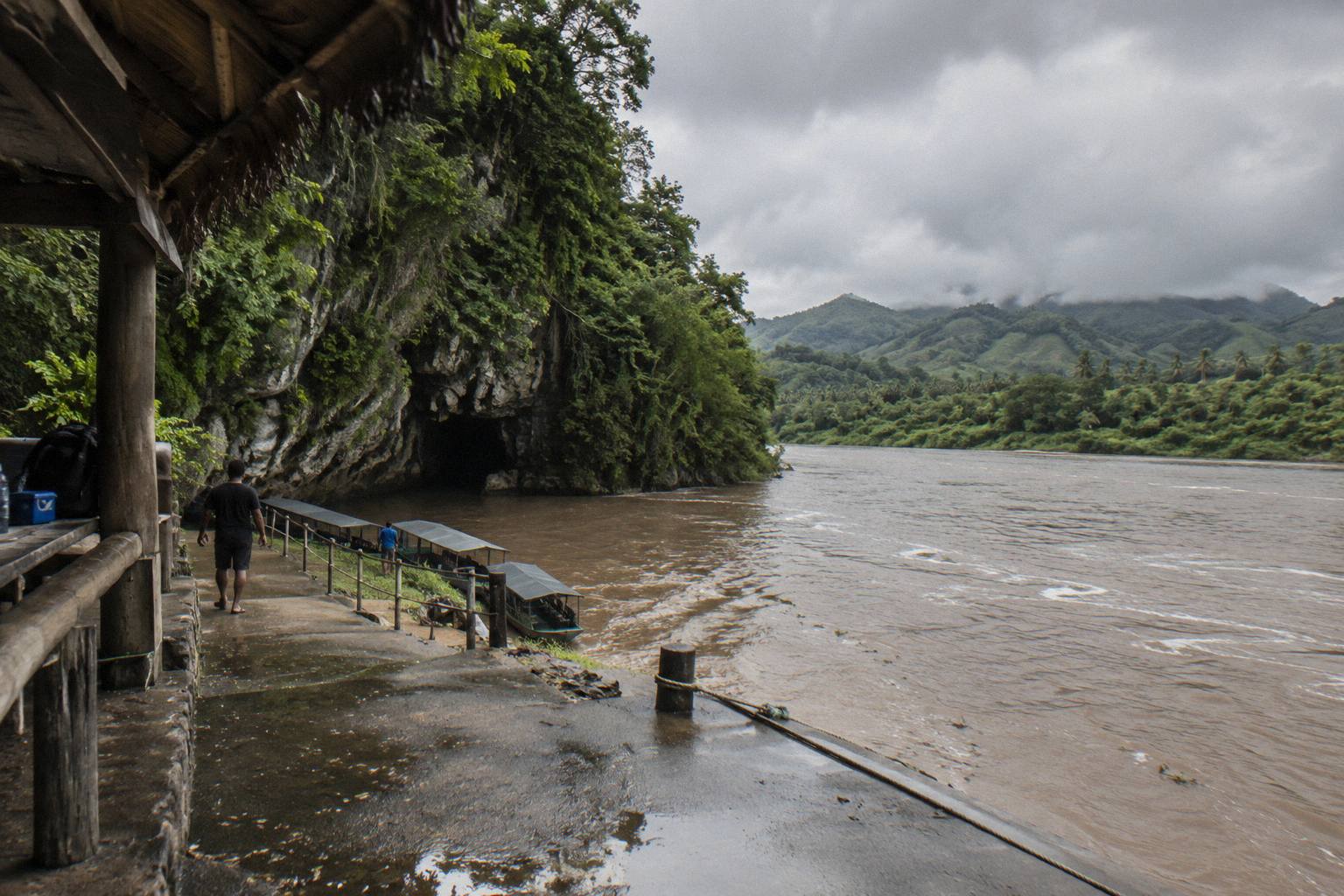
For a full place overview that pairs weather with what else the town offers, see what Sigatoka is worth beyond the cave, which anchors the whole area to the cave tour decision.
What Happens If The Weather Turns On Tour Day?
It depends on the tour, since the two operators here run different weather rules: the off-road cave safari may be cancelled or amended for severe weather or road safety, with a full refund or reschedule typically offered, while the jet boat safari runs in rain and most weather, with the captain deciding, and an alternative date or refund applies only if conditions are unsafe, such as extreme flooding. Neither rule transfers to any other tour.
These are the only two stated weather positions on the listings. For the other cave tours, the Sigatoka cave and village tour with lunch and transfers, from US$99 per person, rated 5.0 across 4 reviews, and the cave tour with a Fijian village, local school visit and light lunch, from US$181.20 per person, no weather policy is stated; check the booking page for each. That gap matters most in the wet months, when a stated policy is the difference between a known outcome and an unknown one.
Cancellation fees are a separate question from weather, and the off-road operator's own page states them: cancellation within 24 hours of departure typically carries a 100 percent fee, and 24 to 48 hours may incur a 50 percent fee. A second booking page for the same safari as the BBQ-lunch cave safari trip states free cancellation up to 24 hours before the start for a full refund. Those two statements sit side by side honestly: the free-cancellation line belongs to that booking page, the fee schedule belongs to the operator's own terms, and the BBQ-lunch cave safari booking page does not state the fee schedule itself.
| Tour | Stated weather position | Source of the statement |
|---|---|---|
| Naihehe cave safari with BBQ lunch | Operator may cancel or amend for severe weather or road safety; full refund or reschedule typically offered | The off-road operator's own terms |
| Jet boat safari on the Sigatoka River | Captain decides in wet weather; runs in most weather including rain; alternative date or refund if unsafe (extreme flooding) | The jet boat operator's page |
| Sigatoka river cruise and Salad Bowl valley tour | Not stated | Check the booking page |
| Sigatoka cave and village tour with lunch and transfers | Not stated | Check the booking page |
| Cave tour with Fijian village, local school and light lunch | Not stated | Check the booking page |
The jet boat rule deserves one clarification because it reads oddly at first: a rain-only day is a running day on that product, and the captain's call is about safety in wet conditions, not about avoiding a shower. That is the operator's stated position and it applies only to the jet boat, never to a cave tour.
One planning note that pairs with weather timing: the new 5 percent Tourism Services Tax commences on 1 September 2026 per the Fiji Revenue and Customs Service public notice. Whether any listed tour charges it is not stated, so treat it as a question for the booking page, not a fact about these prices. For the mechanics of changing a booking once made, see how cave tour booking and cancellation works.
Does Rain Change The Cave Visit Itself?
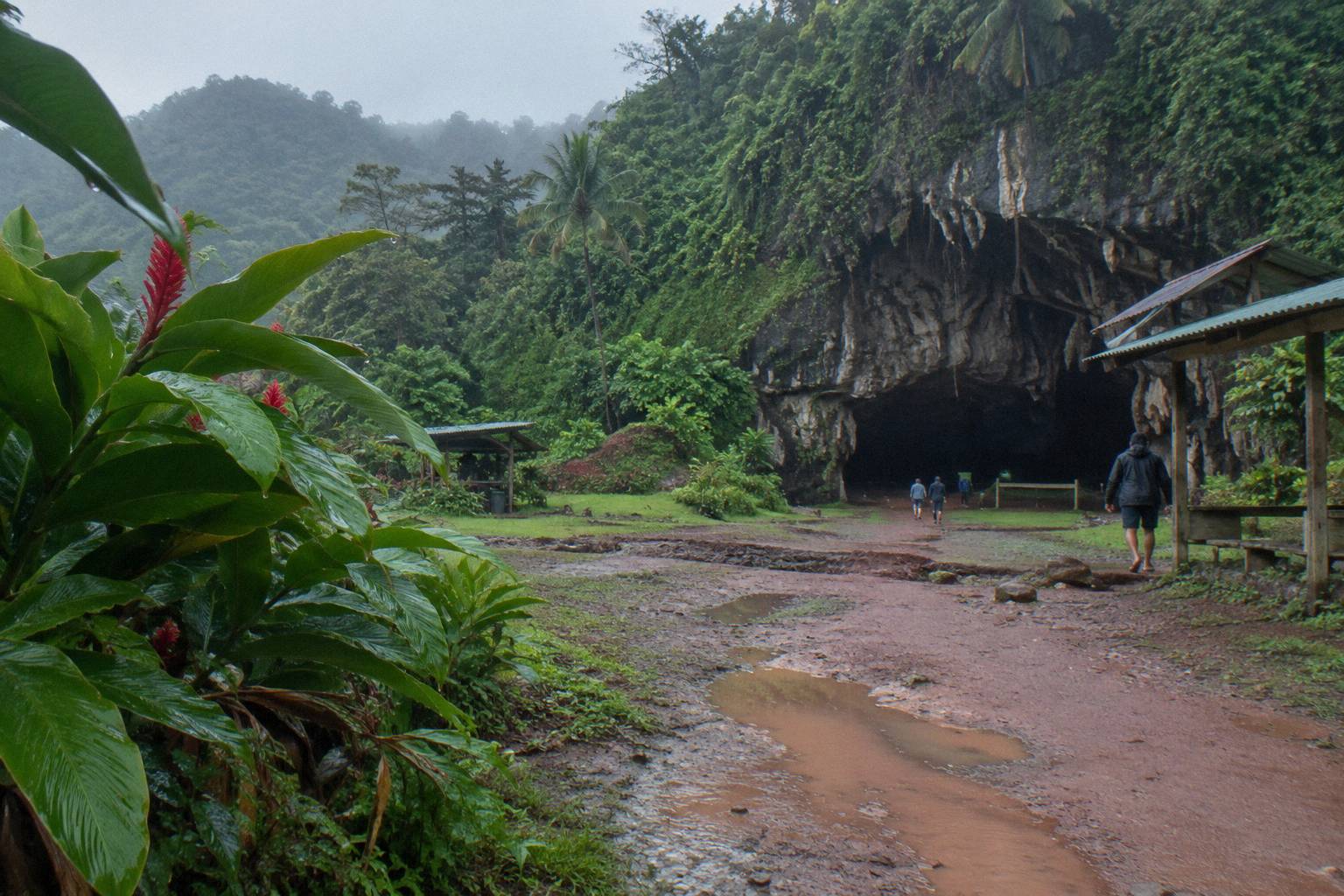
No: the cave sits underground, which shelters the visit from rain, and nothing in the sources describes a weather-dependent change to the experience. The stated physical realities hold in both seasons: you crouch and climb over boulders in places, wade shallow water ankle-deep or slightly higher, use mandatory safety equipment, and explore by flashlight alone, while no source claims water depth, river level, or mud on any given day.
The weather question around the cave is really a road and river question. The off-road leg on the "road less traveled" and the cave visit itself are the parts of the day that an operator watches when conditions are poor, and the BBQ lunch is timed around them. That is why the operator's stated right to amend for road safety is the relevant clause, not anything about the cave's interior.
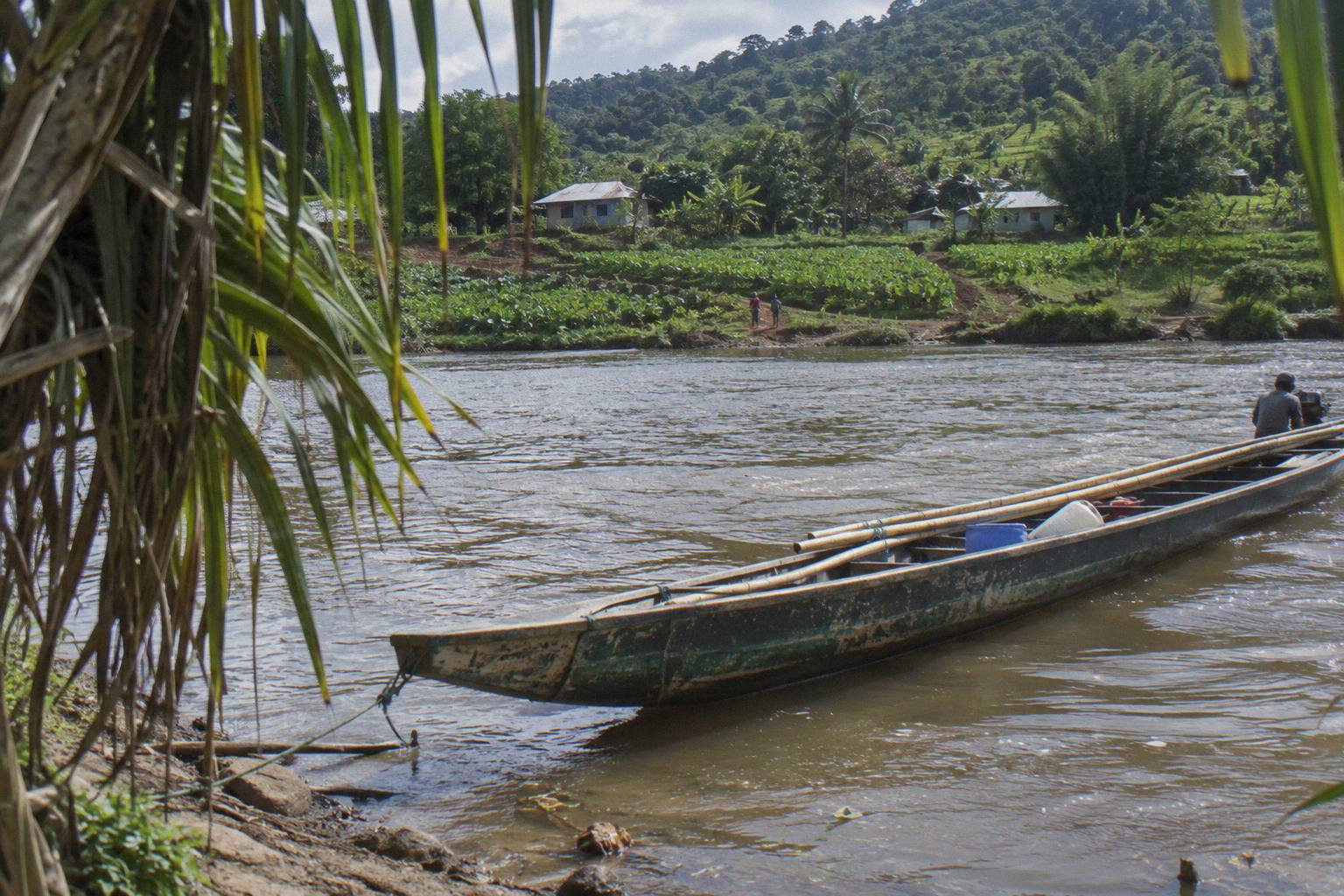
No source gives a river gauge, a crossing depth or a rainfall threshold, and inventing one would mislead. If a reader wants to know whether a heavy week of rain affects a specific departure, the answer lives with the operator on the day, and the booking page's stated free cancellation up to 24 hours before the start, on the page that states it, gives you a way out if the forecast turns after you book.
The fitness advisory attached to the cave safari is worth pairing with the season choice: the operator says the tour involves strenuous off-roading and wet, uneven cave surfaces, and is not recommended for travellers with back problems or pregnancy. Wet-season days do not change that advisory on paper, but a traveller reading it in January, inside the cyclone-season window, should weigh the buffer-day advice above more heavily than one reading it in July.
Which Tours Are Most Weather-Sensitive?
The cave tours are the most weather-sensitive, depending on both an off-road leg and a river crossing, then the jet boat and river cruise, which depend on the Sigatoka River itself, and finally the land-based waterfall and dunes tours, which depend on tracks and walking conditions. Since most of the eight state no weather policy, this ranking rests on structure plus the off-road operator's amend-for-safety clause and the jet boat captain's call.
The Biausevu waterfall and Sigatoka sand dunes tour, from US$170 per person, is an 8 hour day built around a waterfall walk and the dunes, both outdoor. The Biausevu waterfall and Natadola beach combo, from US$161.22 per person, pairs a waterfall with beach time. Neither states a weather policy. The Sigatoka River jet boat safari with lunch, from US$182 per person, 7 hours, is a separate, longer product from the 4.5 hour jet boat and inherits no stated policy from it; the captain-decides rule belongs to the 4.5 hour trip's operator page only.
| Tour | Price from | Weather exposure by structure | Stated policy? |
|---|---|---|---|
| Naihehe cave safari with BBQ lunch | US$138.06 per person | Off-road leg, river crossing, cave walk | Yes, operator terms |
| Jet boat safari on the Sigatoka River | US$147.59 per person | On the river throughout | Yes, captain decides |
| Sigatoka river cruise and Salad Bowl valley tour | US$84 per person | River cruise and valley drive | Not stated |
| Biausevu waterfall and Sigatoka sand dunes tour | US$170 per person | Waterfall walk and dunes on foot | Not stated |
| Biausevu waterfall and Natadola beach combo | US$161.22 per person | Waterfall walk and beach time | Not stated |
| Sigatoka River jet boat safari with lunch | US$182 per person | On the river, 7 hours | Not stated |
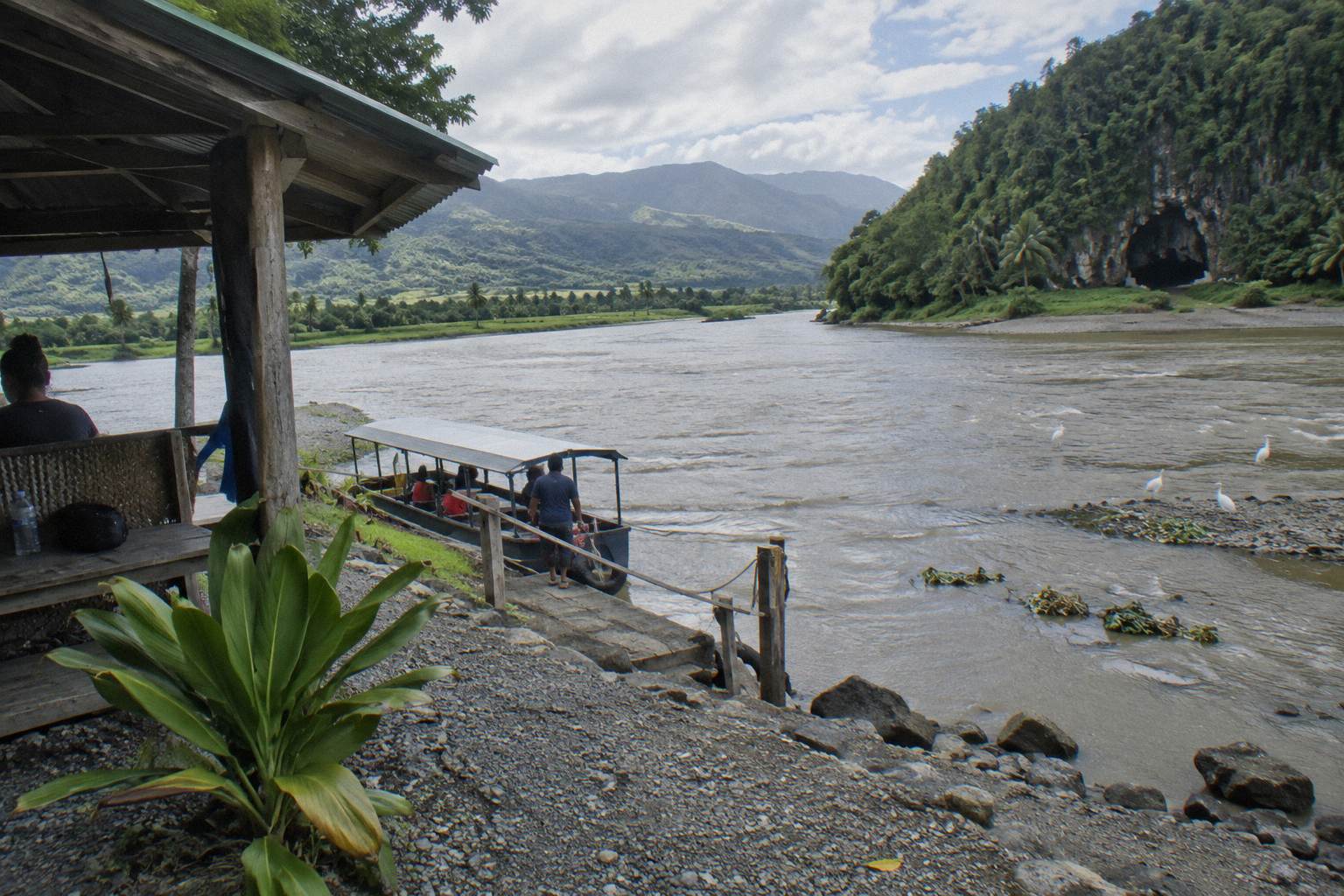
For background on the waterway at the centre of half the listings, see the Sigatoka River; the river's role in these tours, not its statistics, is what matters for a booking decision.
How Does The Cyclone Outlook Affect A Booking?
The Fiji Meteorological Service expects 11 to 15 tropical cyclones in its region from November 2026 to April 2027, above the average of about seven, peaking January to February. That is a regional outlook, not a Sigatoka forecast, and no source here predicts which storms, if any, will affect Fiji's main island. The practical effect on a booking is indirect: in those months, free cancellation terms, buffer days and flexible arrival dates are worth more than in May to October.
If you are locked into wet-season travel, the booking page that states free cancellation up to 24 hours before the start, for the safari it describes, is the term to look for on every tour you consider. Where a tour's page states no such term, treat the cancellation question as open and check before paying, since the off-road operator's own fee schedule shows how steep late cancellation can be on its own terms.
The Fiji Meteorological Service cyclone outlook is the authority for the 11 to 15 figure and the season timing, and it is the only weather source quoted here for those claims. For a traveller, the discipline is simple: use the outlook to choose when to travel if you have a choice, and use booking terms to manage risk when you do not.
A wet-season note that belongs to this product alone: the booking page for the river cruise and Salad Bowl valley tour says Nadi and Denarau guests pay FJD 30 per adult for the return transfer. That figure is stated by that page only, and it is a reminder that pickup logistics, not just weather, stretch a tour day in the wet months when you are travelling from farther afield.
What Should You Pack For A Wet-Season Cave Tour?
The operator's stated packing guidance for the cave safari is short and physical: wettable footwear and a change of clothes. Combined with the cave advisories, wading shallow water, boulders and headlit exploration, the list writes itself for the wet months, and the booking page's stated inclusions cover the rest, the vehicle, guide, kava ceremony, cave exploration, barbecue lunch, the bilibili river crossing and a swim chance in the Sigatoka River, weather permitting on the swim as on everything else.
Rain gear is the one addition the wet season argues for beyond the operator's list, and no source forbids or requires it; it is ordinary planning. The detailed rundown lives in what to bring to a Naihehe cave tour, which works through the packing question item by item against the same advisories.
Dress matters when a cave visit touches village land. What to wear, and the sevusevu custom behind it, is covered in the guide to Naihehe cave village and sevusevu etiquette. Weather does not change the custom; it only changes what you carry to it.
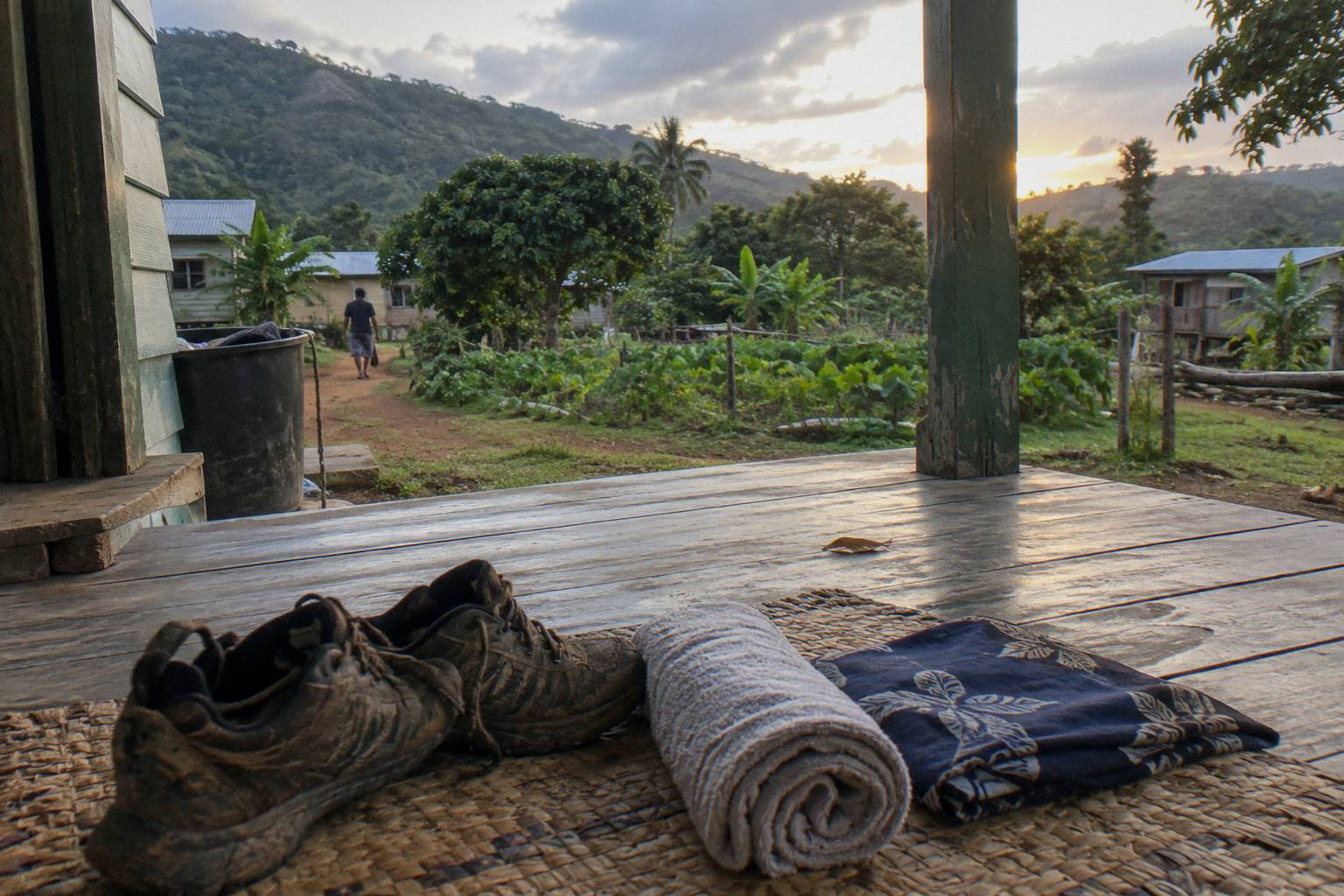
The jet boat earns a solo mention in any weather discussion because it is the rare product that states it runs in most weather including rain, with the captain's call reserved for genuinely unsafe conditions. Among the eight tours covered, the jet boat is also the most reviewed, 4.9 across 1,442 reviews, which makes its stated rain policy unusually well documented.
Which Month Is The Best Compromise?
No single month wins outright, since no source publishes Sigatoka rainfall, temperature or river data by month, so the compromise runs May to October for the lowest weather risk and coolest days, or November to April if you pair warm-season travel with cancellation terms and a buffer day, favouring shoulder months over the January to February cyclone peak. Price, from US$84 to US$182 per person, varies with date and group regardless of season.
The infographic below reads the two planning axes against each other: the season window from the Meteorological Service, and the tours' price range, so you can see at a glance what a wet-season booking trades against a dry-season one.
The cool, dry season of May to October sits outside the November to April cyclone outlook, while the tours span from US$84 to US$182 per person across both windows.
Worked example, built only from the listings: a traveller visiting in February books the cave safari for day two of a seven-day stay, keeps day four open as the buffer, and pays from US$138.06 per person for the cave day. If the operator amends for road safety, the reschedule typically offered lands on the buffer day. A traveller visiting in July books the same tour on any day with no cyclone-season logic at all. Same tour, different planning weight, and the difference is entirely the season.
For pairing the cave with a second day in either season, the Sigatoka sand dunes and Naihehe cave day trip plan shows how the two fit, and the dunes are an outdoor walk, so the same season logic applies there.
Common Mistakes When Planning Around Sigatoka Weather
The most common mistakes are treating the cyclone count as a Sigatoka forecast, assuming every tour shares the same cancellation terms, booking the cave tour for the final day of a wet-season trip, and believing rain alone cancels the jet boat, when the captain decides and the tour runs in most weather including rain. Read the outlook as regional, check each booking page's own terms, leave a buffer day, and match the rule to the right product.
The fifth mistake is quieter: assuming that because the cave is underground, weather is irrelevant. The off-road leg to the cave is the surface element, and the operator's stated right to amend for road safety exists precisely because of that stretch of valley track. The cave shelters the middle of the day, not the journey to it.
A sixth is borrowing a rule across products. The jet boat's village dress guidance, its under-3s-free child rule and its mini-coach transfers are that product's facts, not the cave safari's, and the cave safari's free-cancellation line belongs only to the booking page that states it. When a weather plan depends on a term, the term has to come from the tour you actually booked.
Common Questions About Sigatoka Weather For A Cave Tour
What Is The Wet Season In Sigatoka?
The Fiji Meteorological Service describes a wet, warm season running roughly November to April and a cool, dry season running roughly May to October. The wet season is also the cyclone window, with 11 to 15 tropical cyclones expected in the region from November 2026 to April 2027.
Does Rain Cancel The Naihehe Cave Safari?
Not automatically. The off-road operator's terms say it may cancel or amend for unforeseen circumstances including severe weather or road safety, with a full refund or reschedule typically offered. Ordinary rain is not stated as a cancellation trigger.
Does The Jet Boat Run In The Rain?
Yes, per the jet boat operator's page: the tour runs in most weather including rain, the captain decides in wet weather, and an alternative date or refund applies if conditions are unsafe, described as extreme flooding.
What Is The Cyclone Outlook For November 2026 To April 2027?
The Fiji Meteorological Service expects 11 to 15 tropical cyclones in its region, above the average of about seven, with activity peaking January to February. It is a regional outlook, not a forecast for Sigatoka specifically.
Can I Cancel A Cave Tour If The Forecast Turns Bad?
A booking page for the Naihehe cave safari with BBQ lunch states free cancellation up to 24 hours before the start for a full refund. The operator's own terms show a fee schedule for late cancellation, and other tours' pages state no cancellation terms; check the booking page for the tour you book.
Are There Monthly Rainfall Or River-Level Figures For Sigatoka?
No figures of that kind are published in the sources used here, so none are quoted. The plain planning substitute is the two-season pattern, the cyclone outlook, and each operator's stated weather policy.
If the season logic has settled your dates, Naihehe Cave Tours carries the full set of pages on the cave visit itself, from the drive and the sevusevu custom to the booking terms, all anchored to the same eight tours.