
Cannibal Cave Fiji: Is It Naihehe, And How The Cave Tour Works
Searches for a cannibal cave in Fiji land on one place: Naihehe Cave, inland of Sigatoka, guarded by a village priest and visited only after a kava ceremony. Here is what the sources actually say, and which of the tours covered enter it.
Short answer
Yes, the cannibal cave of Fiji is Naihehe Cave, inland of Sigatoka on Viti Levu. The Fiji Times reports it as the cave fortress of the Little War of 1876. Three tours covered enter it, from US$99 to US$181.20 per person; five others in the area do not visit the cave at all.
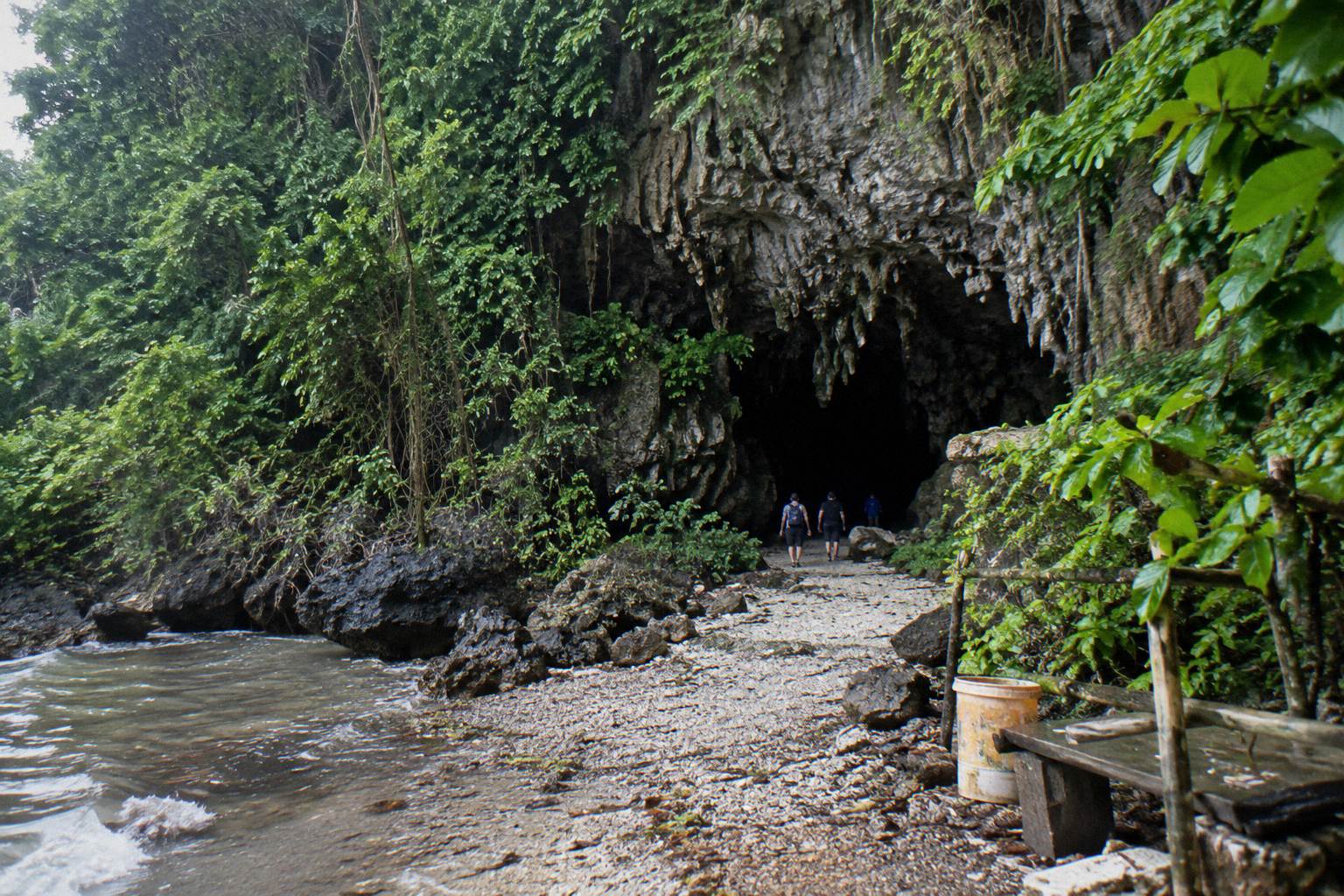
Searches for a cannibal cave in Fiji almost always mean one specific place: Naihehe Cave, a limestone cave in the Sigatoka Valley, inland of Sigatoka town on Viti Levu's Coral Coast side. The nickname comes from history, not from anything staged for visitors. The Fiji Times reports the cave as the fortress cave of one of Fiji's last cannibal tribes, a refuge in the Little War of 1876, entered today only with the permission of a village priest and after a kava ceremony called sevusevu.
That history deserves calm handling, and it gets it here. What follows sticks to what the Fiji Times and the tour booking pages state: where the cave is, what the sources say about its past, how the village receives visitors now, and, most practically for a traveller, which of the eight tours covered actually go inside the cave and which do not. Three enter it. Five do not, and a booking made on the word "Sigatoka" alone can easily land you on a river cruise with no cave at all.
Is The Cannibal Cave In Fiji Real?
Yes, the cave is real, and its name is Naihehe, pronounced nigh-heh-heh. The Fiji Times reports it as the cave fortress of one of Fiji's last cannibal tribes and the refuge of people hiding for months during tribal warfare, including the conflict remembered as the Little War of 1876. It sits inland of Sigatoka town on village land, and a guide from the bete clan takes visitors inside today.
The cave's reputation rests on a documented historical episode rather than legend alone. The Fiji Times describes Naihehe as famed for its role in the Little War of 1876, when people hid inside for months in tribal warfare and the narrow mouth of the cave kept attackers from entering en masse. Folklore recorded by the same paper says the cave was ruled by a bete, a priest, together with the high chief of Sautabu. Those are the claims the sources make, and they are the claims repeated here: no head counts, no dates beyond 1876, no embellishment.
The name itself carries the story. One off-road cave safari operator says Naihehe translates as "a place to get lost", while the Fiji Times gives a sharper version in the Nadroga dialect: Naihehe, or Nasese, means "to confuse or cause confusion", because enemies approaching the area got confused or lost in the forest. For background on the town the cave sits inland of, see the Wikipedia page on Sigatoka; no claim about the cave is taken from it.
One operator describes the site as Fiji's largest cave system, and that wording is worth keeping exactly as attributed: it is an operator's description, not a survey measurement. The same operator says the centrepiece is a natural underground spring, the main chamber where the clan lived, and the cannibal oven, and that the cave served as a fortress for the Sautabu or Nabuavatu clan in tribal warfare days. The Fiji Times adds a physical detail: lantern-lit hall chambers lead to a gap into a huge chamber, a gap the paper calls the "pregnancy gap". A guide from the bete clan takes visitors through.
None of this is a ghost story, and it should not be treated as one. The cave is a working sacred site on village land, the history is real to the people who live around it, and the visit begins with a courtesy the village asks of every entrant. That courtesy, the sevusevu ceremony, shapes the whole tour and is covered in full further down.
Where Is The Cannibal Cave And Who Looks After It?
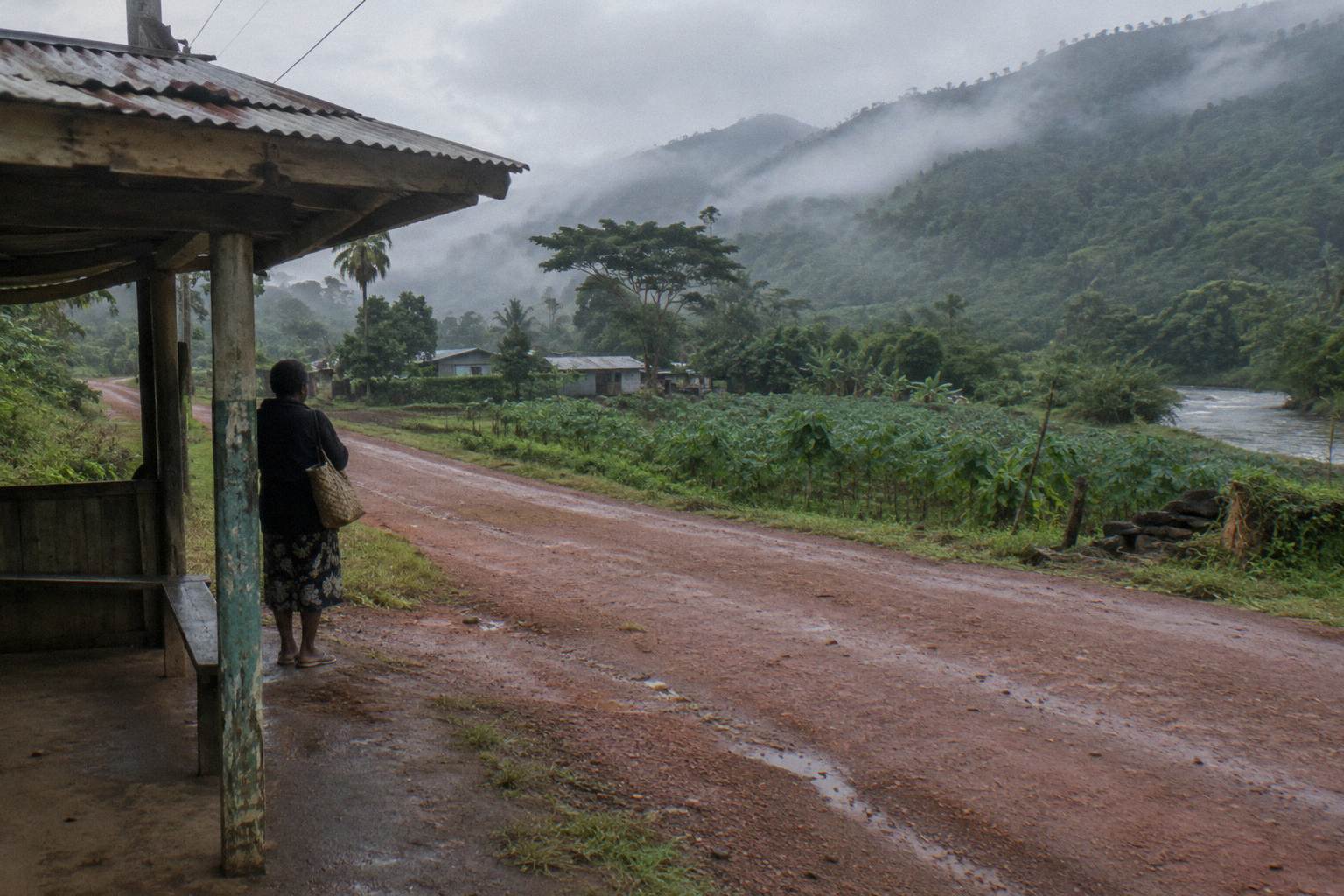
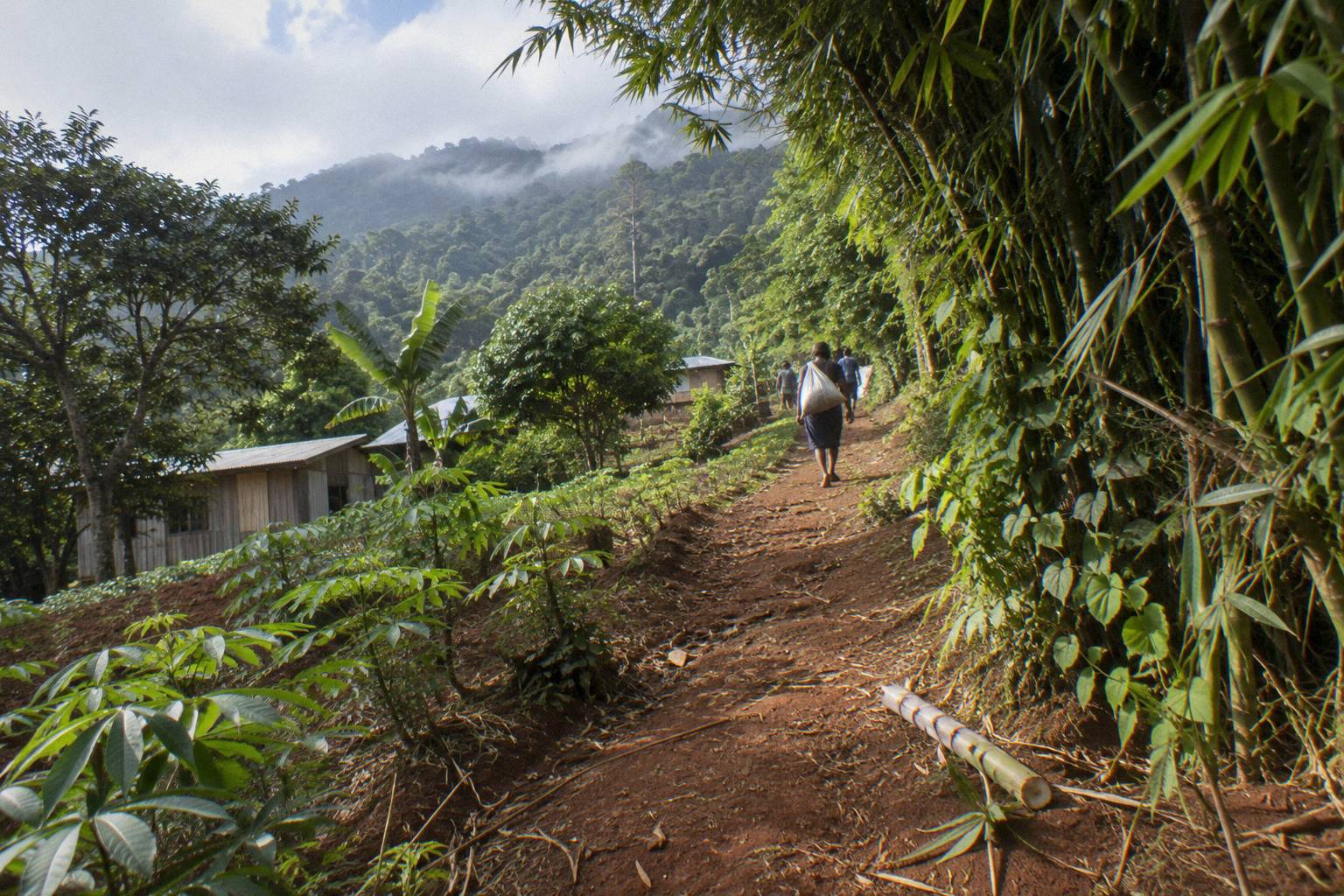
The cave sits in the Sigatoka Valley, inland of Sigatoka town on Viti Levu, on the Coral Coast side of Fiji. The Fiji Times names its guardians as people of Sautabu village, tikina Naqalimare, Navosa, and says the permission of the village priest, the bete, must be sought before entry. No distance or drive time to the cave is stated in the sources.
The route in is described plainly by the Fiji Times: coming into Sigatoka Town from Suva, just before the bridge, a road to the right is named Kavanagasau; follow it as the road turns, leaving the wide Sigatoka River, and climb to the foothills above the valley where the cave sits. The paper, in its own words on the custom, says "whoever wishes to enter the cave must seek the permission of the priest (bete), or you might get lost", and that sevusevu is accepted in a concrete house a few metres from the cave. The Sigatoka River the road leaves behind is the same river several other tours in the area run on.
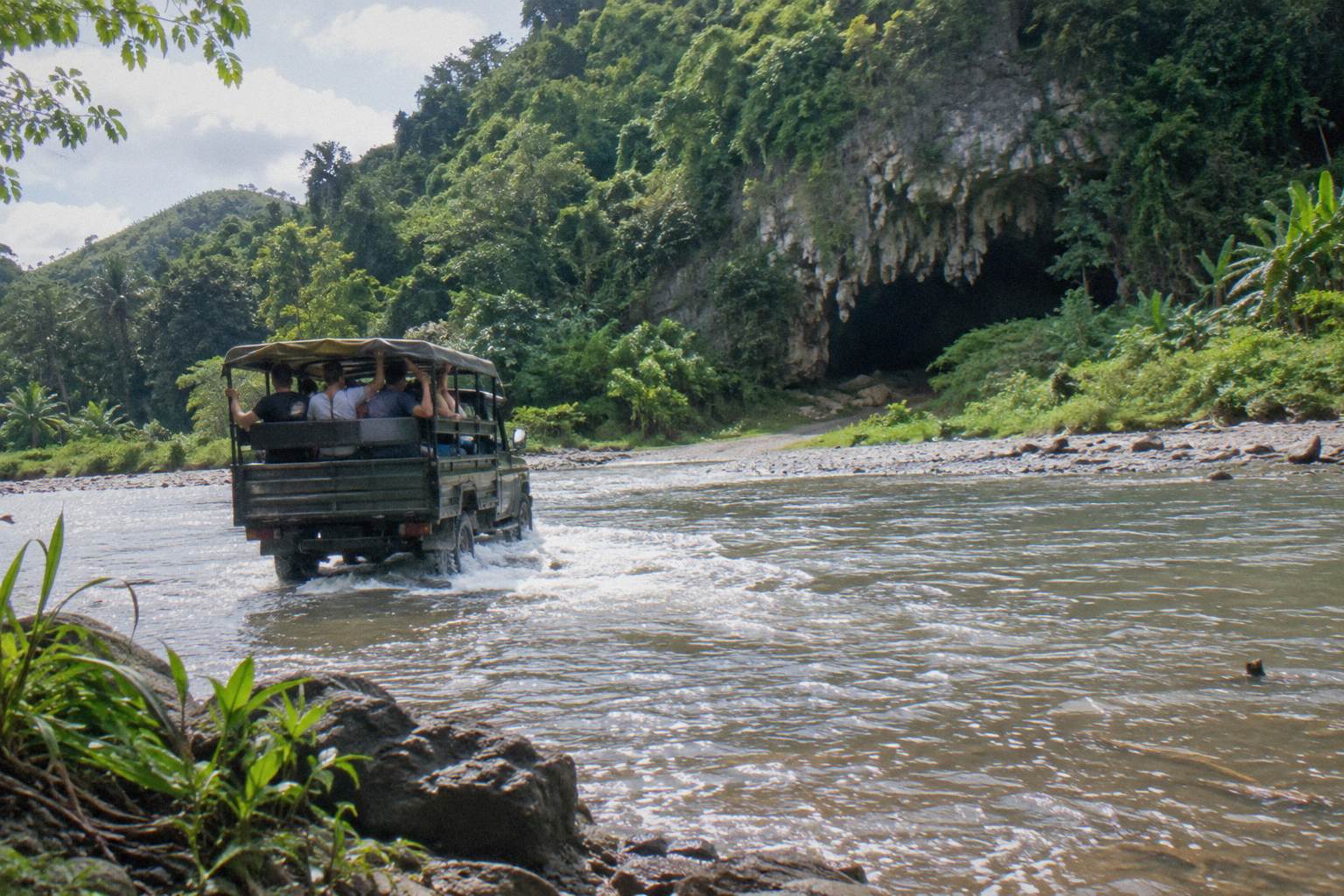
For the main cave safari, the timing is stated on the booking pages. The listing gives a meeting point in Sigatoka and a duration of about 4.5 hours. The day the operator lays out is simple: an off-road drive into the valley, time inside the cave itself, and a BBQ lunch as part of the trip. The operator's own schedule runs the off-road leg from about 9:25 to 10:05, then village, sevusevu, cave and BBQ lunch from 10:10 to 12:30, with an optional swim, returning about 12:30 to 1:00. An afternoon departure at about 1:00pm also runs, and the operator says it works Monday to Saturday. Those are that operator's stated times, not a promise about every departure.
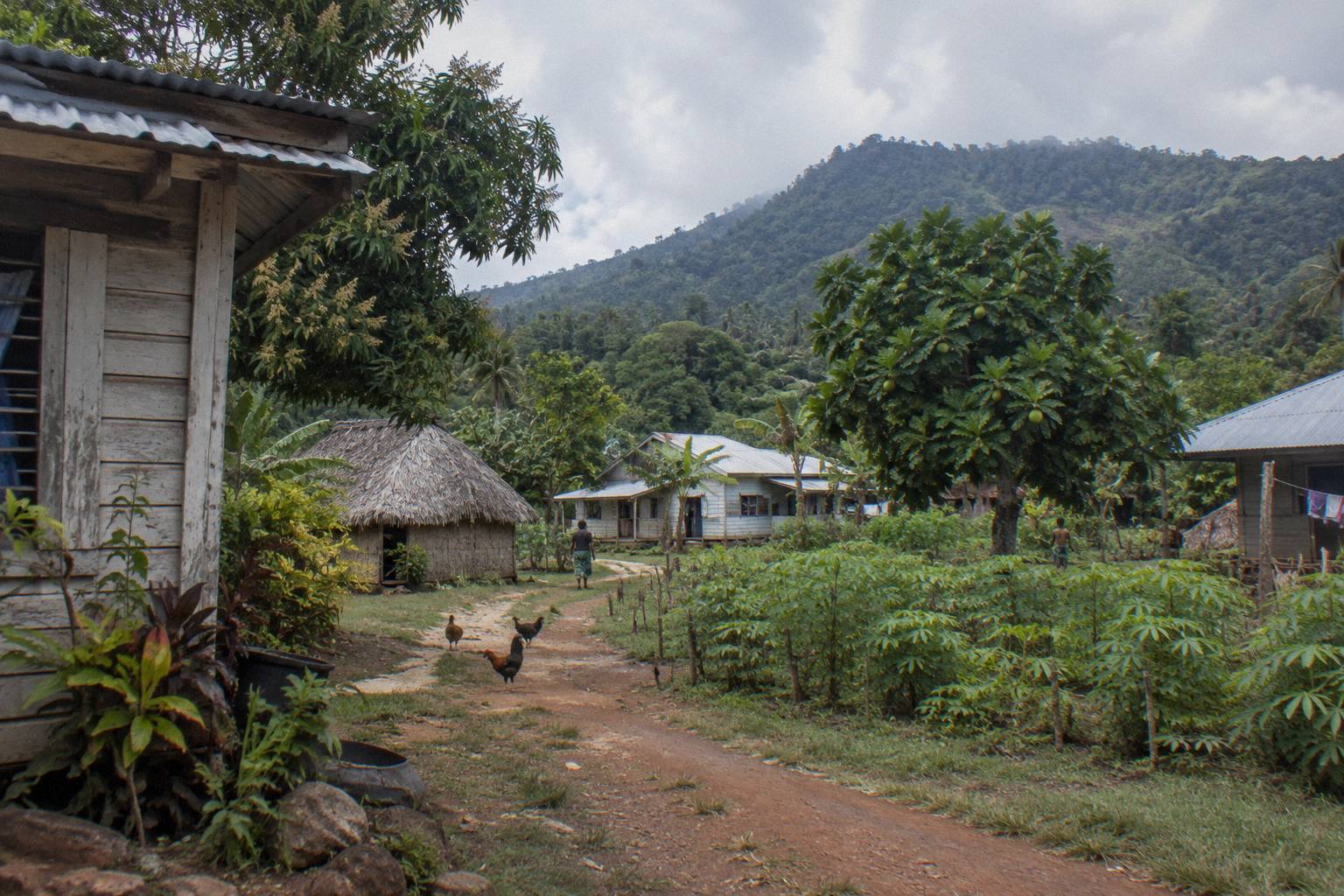
The village relationship is the part a first-time reader will not find spelled out on a booking search results page. The booking page for the cave safari says visitors meet the family described as the traditional keepers of Naihehe Cave, take part in a traditional kava ceremony, and seek permission to enter. The operator states that lunch is served at the priest's residence and that a portion of each tour supports the community. In other words, the visit is a hosted one: the cave is not a ticketed attraction with a gate, it is a place the village opens to guests who arrive the right way.
Which Tours Actually Enter The Cannibal Cave?
Three of the eight tours covered enter a cave: the Naihehe cave safari with BBQ lunch, from US$138.06 per person; the Sigatoka cave and village tour with lunch and transfers, from US$99 per person; and the cave tour with a Fijian village, local school visit and light lunch, from US$181.20 per person. The other five tours in the area do not visit any cave.
The established option is the Naihehe cave safari with BBQ lunch (off-road, river crossing, about 4.5 hours), rated 5.0 across about 490 reviews. The listing confirms the cave as Naihehe, and a booking page for this safari states free cancellation up to 24 hours before the start. It begins at a meeting point in Sigatoka at 8:45am and runs about 4.5 hours, covering the off-road drive into the valley, a guided cave visit, and a barbecue lunch with fresh fruit and juice before the return leg. If the off-road format and the history are the draw, Check availability and read the full rundown in the guide to the Naihehe cave safari.
The Sigatoka cave and village tour with lunch and transfers is the budget entry at from US$99 per person, with hotel pickup from 8 listed resorts spanning Denarau to the Coral Coast, including Wyndham Denarau and Shangri-La Yanuca Island, which matters if you would rather not make your own way to a meeting point. It carries a 5.0 rating from 4 reviews, a very small pool, so weight it lightly. The listing itself is clear on the inclusions: hotel pickup and drop-off, a village kava ceremony, and a light lunch. The cave portion runs about 45 minutes, as the operator describes it.
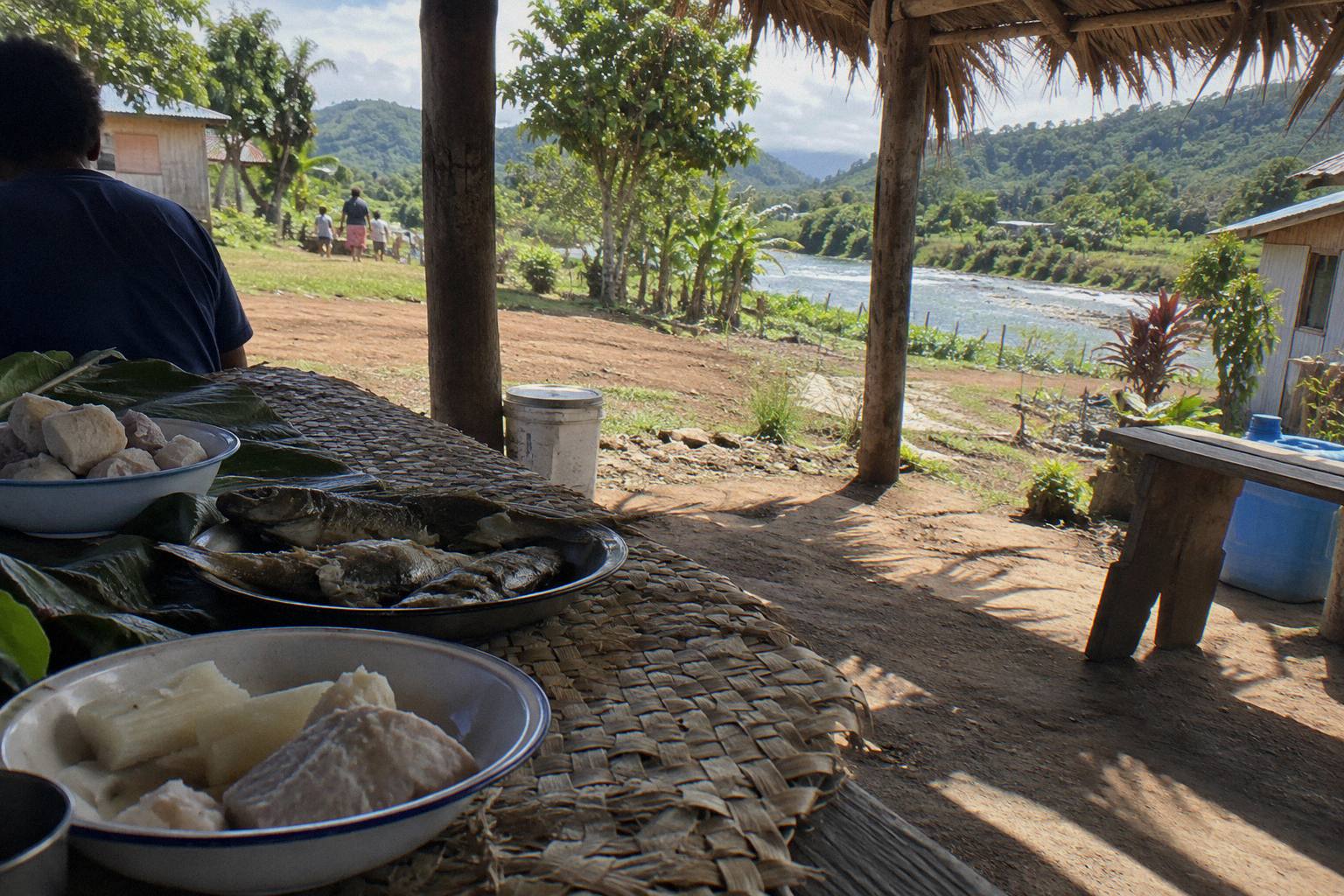
The third cave option is the cave tour with a Fijian village, local school visit and light lunch, from US$181.20 per person, running 4 to 5 hours with pickup from Coral Coast resorts at 8:30am. Its overview names the Naihehe cave, and the school visit sets it apart from the other two. The listing has 1 review and no star average printed in the roster, so weigh the itinerary and the price rather than a review pool that barely exists.
Here is the plain comparison of the three:
| Tour | Price | Duration | Start | Rating | Cave |
|---|---|---|---|---|---|
| Naihehe cave safari with BBQ lunch | from US$138.06 per person | 4.5 hours | Meeting point in Sigatoka, 8:45am | 5.0, about 490 reviews | Yes, confirmed Naihehe |
| Sigatoka cave and village tour with lunch and transfers | from US$99 per person | 4.5 hours | Hotel pickup, 8 Sigatoka area locations | 5.0, 4 reviews | Village kava ceremony, light lunch, about 45 minutes in the cave as the operator describes it |
| Cave tour with Fijian village, local school and light lunch | from US$181.20 per person | 4 to 5 hours | Coral Coast resort pickup, 8:30am | 1 review | Overview names Naihehe |
And here is the part most search results will not tell you plainly: five of the eight tours covered do not go to any cave at all. The Sigatoka river cruise and Salad Bowl valley tour, from US$84 per person, is a river cruise with village kava, no cave. The Biausevu waterfall and Sigatoka sand dunes tour, from US$170 per person, is a waterfall walk and dunes, no cave. The jet boat safari on the Sigatoka River, from US$147.59 per person, is jet boating, no cave. The 7 hour Sigatoka River jet boat safari with lunch, from US$182 per person, no cave. The Biausevu waterfall and Natadola beach combo, from US$161.22 per person, no cave. If the cannibal cave is the reason you are booking, keep the booking inside the three tours in the table above.
What Do The Sources Actually Say About The Cannibal Cave?
Every claim about the cave's past traces to two kinds of source: the Fiji Times reporting, and the statements of one off-road cave safari operator. The Fiji Times supplies the Little War of 1876, the months people hid inside, and the narrow mouth that kept attackers out. The operator supplies the description of the chambers, the spring and the cannibal oven. Nothing beyond those two sources is claimed here.
It is worth being precise about who says what, because casual write-ups blend everything together and add detail no source gives.
| Claim | Source |
|---|---|
| The cave was a fortress in the Little War of 1876 | The Fiji Times |
| People hid inside for months in tribal warfare | The Fiji Times |
| The cave mouth kept attackers from entering en masse | The Fiji Times |
| Ruled in folklore by a bete and the high chief of Sautabu | The Fiji Times |
| Naihehe or Nasese means "to confuse or cause confusion" in the Nadroga dialect | The Fiji Times |
| Described as Fiji's largest cave system | One operator's description |
| Centrepiece is a natural underground spring, main chamber, cannibal oven | One operator's description |
| Fortress of the Sautabu or Nabuavatu clan | One operator's description |
| Lantern-lit chambers lead through the "pregnancy gap" into a huge chamber | The Fiji Times |
| A guide from the bete clan takes visitors | The Fiji Times |
The Fiji Times reporting is the anchor for the history, and its piece on the cave is the place the 1876 episode and the guardian custom come from. The operator's material fills in what a visit is like. Neither gives dates beyond 1876, head counts, or a measure of the cave, so none appear here. Treat any page offering cannibalism statistics or a year the practice ended as inventing what the sources do not say.
There is also a smaller naming trap worth knowing before you scroll further. The word "cannibal cave" is a search label, not a name anyone at the village uses. The place is Naihehe Cave. Booking pages that lean hard on the cannibal framing are marketing the same site you read about here, sometimes with extra colour the sources do not support. If you want what the inside visit involves rather than the legend, the guide to the inside of Naihehe Cave covers the chambers, the spring and the physical experience as the sources state them.
What Happens At The Sevusevu Before You Enter?
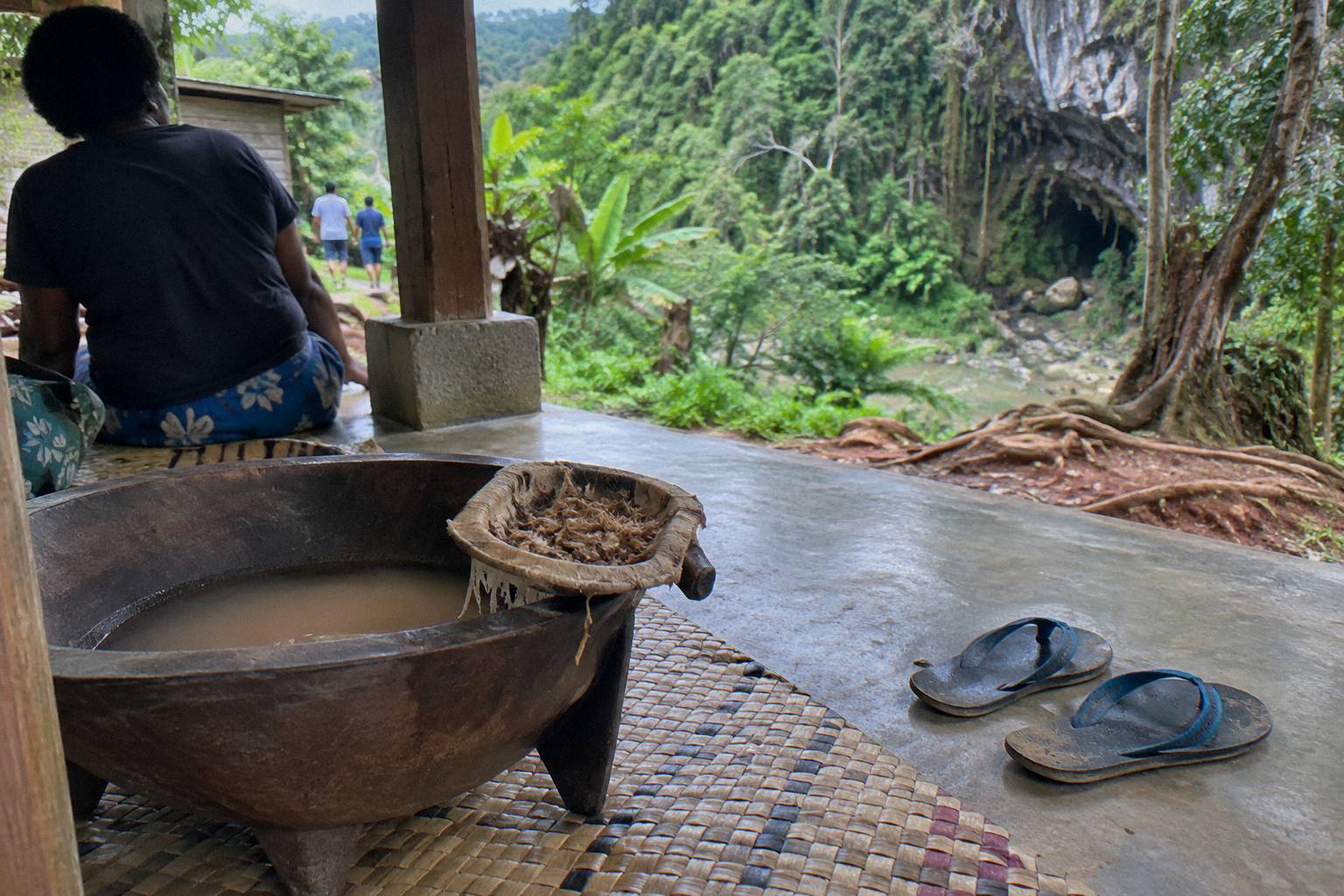
Before entering, the group stops at the home of the village priest, the bete, for sevusevu, a kava ceremony seeking his blessing for the visit. The operator states the day combines an off-road leg through the Sigatoka Valley with a visit to the cave. A BBQ lunch is part of the package. The custom is a courtesy the village asks, not a show put on for tourists.
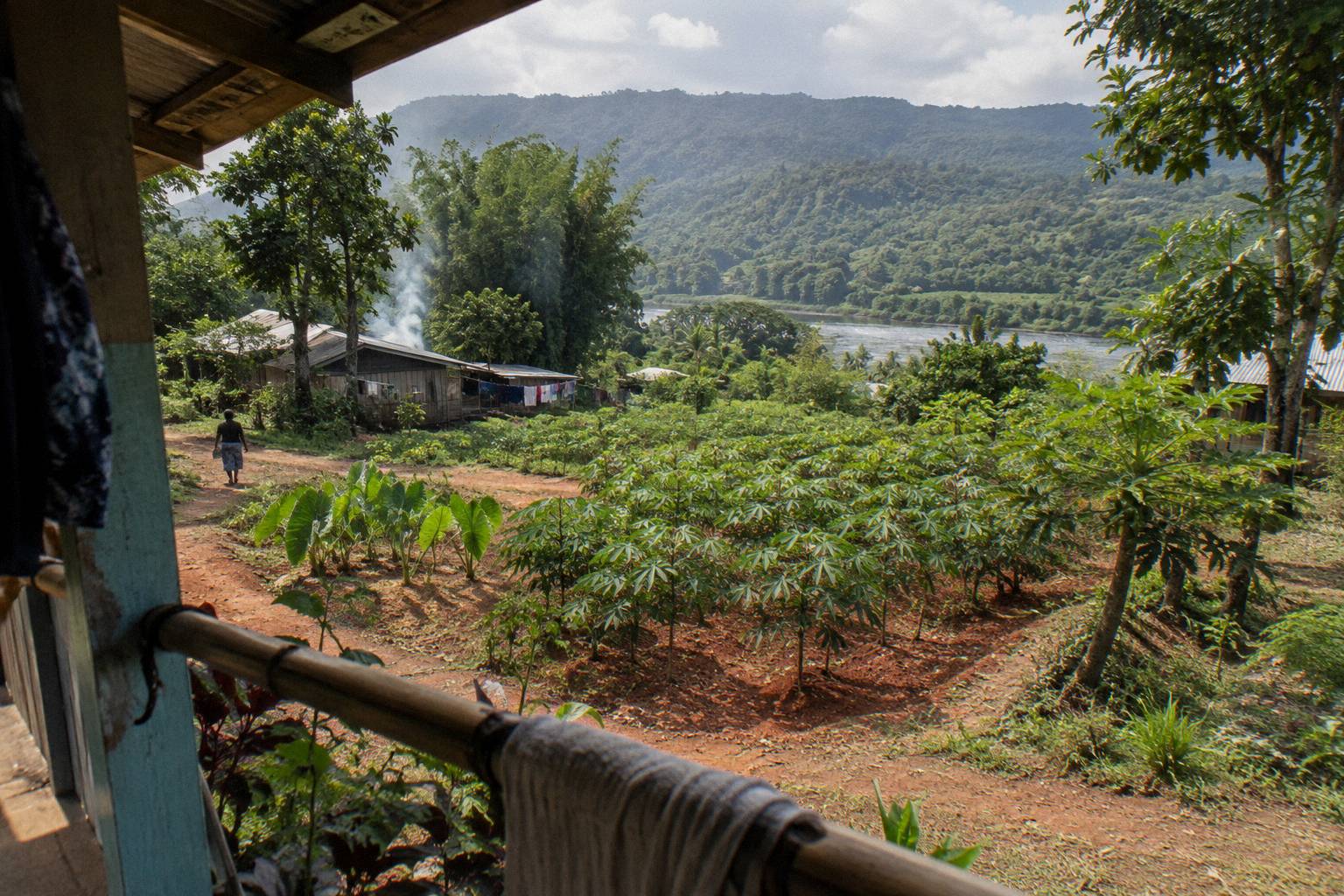
The Fiji Times frames the custom in one line quoted earlier: whoever wishes to enter must seek the permission of the priest, or you might get lost. The operator's wording is warmer but says the same thing: the bete is described as "the cave's spiritual caretaker", and the blessing is believed to keep the entry and the return safe. The booking page for the safari agrees: participate in a traditional kava ceremony, meet the family described as the traditional keepers, and seek permission to enter.
On dress, only one rule is stated for the cave tours: ladies receive a complimentary sulu to wear when visiting the village. No other dress code for the cave tours is stated in the sources. Optional small gifts or donations are appreciated, not required, and tipping, in the operator's wording, is at your discretion.
What is not stated anywhere in the sources is how much kava to bring, what a gift should cost, or whether independent entry is possible; those questions have no stated answer, so check with the booking page or the operator rather than a forum thread. The village etiquette in detail, including how to behave as a guest, has its own page: village and sevusevu etiquette for a Naihehe cave tour.
The ceremony is also the reason the tour times look the way they do. The schedule shown earlier runs about 45 minutes between the off-road leg and the cave itself, and that gap is the village stop where the tour pauses before continuing to the entrance. Rushing it or skipping it is not an option the sources describe; the entry follows the custom.
What Is The Cave Like Inside On A Tour?
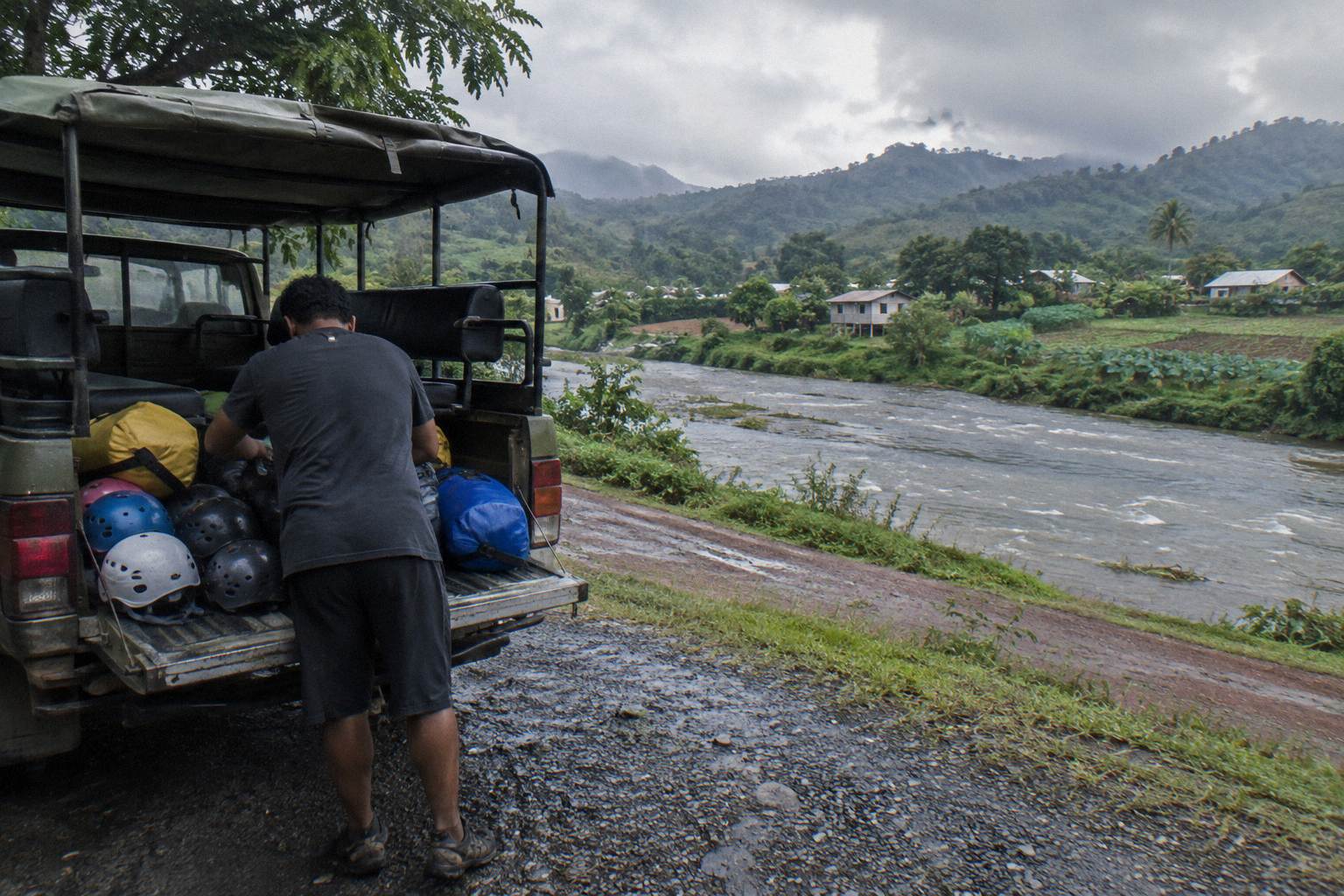
The operator's own advisory describes a moderately physical visit: you crouch and climb over boulders in places, wade shallow water ankle-deep or slightly higher, and use mandatory safety equipment inside. The booking page describes an off-road leg into the valley, time inside the cave, and a BBQ lunch, with the full outing running about four and a half hours. Moderate fitness is the stated bar.
The interior, as the sources describe it, has three focal points: the natural underground spring the operator calls the centrepiece, the main chamber where the clan lived, and the cannibal oven with a ritual platform nearby, which the operator's FAQ says are seen inside. The Fiji Times adds the passage structure: lantern-lit hall chambers leading to the gap into a huge chamber. A guide from the bete clan leads the way, which means the person walking you through the history is connected to the lineage the folklore names as the cave's ruler.
The physical demands deserve honest weight. Wet uneven cave surfaces are named in the operator's advisory, which also says the trip is not recommended for people with back problems or pregnancy, and its FAQ says children 5 and over are generally suitable. Wettable footwear and a change of clothes are its standing advice, and the shallow wade means anything from sandals you do not mind soaking upward. The operator's terms belong to that operator and are not automatically the terms of every listed tour; the budget cave tour's own minimum age, child price and dress code are not stated on its booking page, so ask before booking with young children.
The Naihehe Cave Safari keeps its day above ground simple: an off-road drive through the Sigatoka Valley to the cave, a guided walk through the cavern, and a barbecue lunch with fresh fruit and juice before the return leg. None of that is guaranteed on any given day; the operator says it may cancel or amend for severe weather or road safety. For the full practical rundown, the page on what happens on a Naihehe cave tour walks the day end to end.
How Much Does A Cannibal Cave Tour Cost?
The three cave tours run from US$99 to US$181.20 per person as platform from-prices: US$99 for the Sigatoka cave and village tour, US$138.06 for the Naihehe cave safari with BBQ lunch, and US$181.20 for the cave, village and school tour. Prices vary with date and group, and from-prices are per person, never totals.
Here is the money picture across all eight tours covered, cave or not, so the cave options sit in context:
| Tour | From price per person | Cave | Pickup footprint |
|---|---|---|---|
| Sigatoka river cruise and Salad Bowl valley tour | US$84 | No | 25 options, Nadi, Denarau, Coral Coast |
| Sigatoka cave and village tour | US$99 | Hotel pickup, village kava ceremony, light lunch | 8 pickup points, Denarau to the Coral Coast |
| Naihehe cave safari with BBQ lunch | US$138.06 | Yes, confirmed | Meeting point in Sigatoka |
| Jet boat safari on the Sigatoka River | US$147.59 | No | Hotel pickup and drop-off |
| Biausevu waterfall and Natadola beach combo | US$161.22 | No | Coral Coast pickup |
| Biausevu waterfall and sand dunes tour | US$170 | No | Sigatoka or Nadi pickup |
| Cave tour with village, school and light lunch | US$181.20 | Yes, per overview | Coral Coast resorts |
| Sigatoka River jet boat safari with lunch, 7 hours | US$182 | No | Start from Sigatoka |
The three cave tours sit at US$99, US$138.06 and US$181.20 per person, mid-range among the eight tours covered, which run from US$84 to US$182.
Two money notes are worth holding onto. First, the cheapest cave tour is also the one with the unresolved cave name on its own page, so read it before booking on price alone. Second, transfer costs are separate where a page says so: the Sigatoka river cruise page, for instance, states Nadi and Denarau guests pay FJD 30 per adult for the return transfer, a fact that belongs to that tour only. Whether any listed tour adds the new Fiji Tourism Services Tax is not stated; the Fiji Revenue and Customs Service says the 5 percent tax commences 1 September 2026, but each booking page's own total is the place to check. The full price picture for the safari, including what the price includes, sits on the Naihehe cave tour price page.
If you are combining days, pairing the cave with a river product is a common plan, and the choices differ more than the names suggest: the comparison of a Naihehe cave tour with a river safari separates the jet boat from the cruise from the cave day.
Common Mistakes When Booking A Cannibal Cave Tour
The mistake that costs most is booking a Sigatoka tour by name and landing on one of the five products that never enter a cave. The others: trusting the cannibal framing over the booking page's own cave name, ignoring the sevusevu stop when planning the day, skipping the pickup fine print, and reading a rating from a tiny review pool as if it carried real weight. Each is avoidable in a minute of checking.
Start with the cave check. Only the safari's listing confirms Naihehe outright; the budget tour's own page names two different caves; the school tour's overview names Naihehe but carries a single review. Five other tours in the same search results, from US$84 to US$182, visit rivers, waterfalls, dunes and beaches with no cave. Match the tour to the table above before you pay, not after.
Then the custom. The sevusevu is not an optional warm-up act; the sources describe entry as following the priest's permission, and the day is built around the stop at his house. Arrive expecting it, dress for it with the sulu the operator provides for ladies, and treat the village as a host's home rather than a photo stop. The detailed etiquette is on the etiquette page linked above.
Finally, the small print. The safari's free cancellation up to 24 hours before start is stated on a booking page for that safari, not for every tour; the other cave tours' terms are on their own pages. Pickup footprints differ sharply, from 25 hotel options on the river cruise to a single Sigatoka meeting point on the safari, so check the start column before assuming hotel pickup. And when a review number is small, treat it as small: 4 reviews is 4 people.
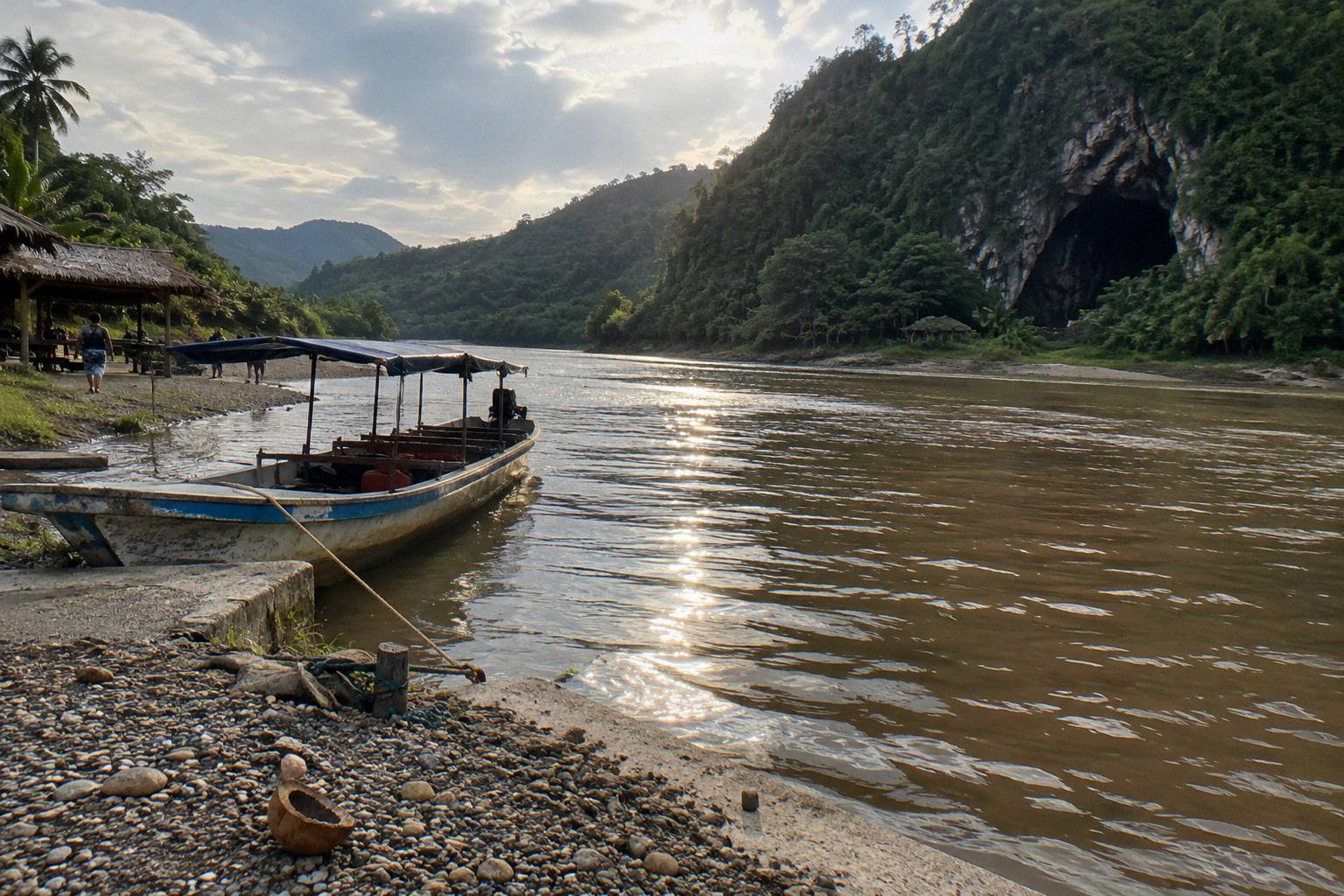
The short version: the cannibal cave of Fiji is Naihehe Cave, inland of Sigatoka, its history belongs to the Little War of 1876 as the Fiji Times reports it, and its present belongs to the Sautabu village family that opens it to guests after kava. Three tours take you inside. Choose by pickup, price and review pool, check the budget tour's cave name on its own page, and the rest of the day, the off-road leg, the cave visit, the barbecue lunch, runs as the operator describes. Naihehe Cave Tours keeps the full set of pages on the safari, the inside visit and the village etiquette for the next step.
Common Questions About The Cannibal Cave In Fiji
Is The Cannibal Cave In Fiji Real?
Yes. It is Naihehe Cave, inland of Sigatoka on Viti Levu, and the Fiji Times reports it as the cave fortress of one of Fiji's last cannibal tribes and a refuge during the Little War of 1876.
Is The Cannibal Cave Naihehe Cave?
Yes. Searches for a cannibal cave in Fiji point to Naihehe Cave in the Sigatoka Valley. One budget option is the $99 cave and village tour from Sigatoka, which includes hotel transfers, a village kava ceremony and a light lunch.
Can You Visit The Cannibal Cave Without A Tour?
Not stated. No source says independent entry is possible or impossible; the Fiji Times says entry follows the permission of the village priest, and the tours covered arrange that permission through the sevusevu ceremony.
How Much Does A Cannibal Cave Tour Cost?
The three cave tours run from US$99 to US$181.20 per person as from-prices: US$99 for the Sigatoka cave and village tour, US$138.06 for the cave safari with BBQ lunch, and US$181.20 for the cave, village and school tour. Prices vary with date and group.
What Is The Sevusevu Ceremony Before The Cave?
It is a kava ceremony at the home of the village priest, the bete, seeking his blessing for the visit. Guests are welcomed as family and offered a taste of kava, ladies receive a complimentary sulu, and lunch is served at the priest's residence.
Which Sigatoka Tours Do Not Go To The Cave?
Five of the eight tours covered: the Sigatoka river cruise and Salad Bowl valley tour, the jet boat safari on the Sigatoka River, the 7 hour jet boat safari with lunch, the Biausevu waterfall and sand dunes tour, and the Biausevu waterfall and Natadola beach combo. None visits any cave.